
Sign up to save your podcasts
Or

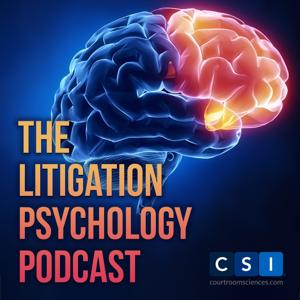

Bill Kanasky, Jr., Ph.D. breaks down why the single most powerful testimony tool in depositions and trial is the disciplined use of “No” or “I disagree”, followed by silence. Bill explains how witnesses get into trouble when they add explanations after a comma (“No, because…”), which leads to defensive or evasive answers and creates damaging credibility issues. Instead, he emphasizes a strategy rooted in cognitive science: reject the premise cleanly, elevate tone and composure, and force opposing counsel into an open-ended follow-up like “Why?”, which gives the witness more time to think and respond from the logical (not emotional) part of the brain.
Bill also clarifies common misconceptions about witnesses who answer with "No" appearing evasive, why jurors dislike pivoting or arguing witnesses, and how “reject and elevate” protects credibility while maintaining emotional control. He explains how witnesses can later provide explanations, during defense follow-up at deposition or rehabilitation at trial, without exposing themselves to attack when they’re under pressure.
 View all episodes
 By litpsych

4.4
2828 ratings
Bill Kanasky, Jr., Ph.D. breaks down why the single most powerful testimony tool in depositions and trial is the disciplined use of “No” or “I disagree”, followed by silence. Bill explains how witnesses get into trouble when they add explanations after a comma (“No, because…”), which leads to defensive or evasive answers and creates damaging credibility issues. Instead, he emphasizes a strategy rooted in cognitive science: reject the premise cleanly, elevate tone and composure, and force opposing counsel into an open-ended follow-up like “Why?”, which gives the witness more time to think and respond from the logical (not emotional) part of the brain.
Bill also clarifies common misconceptions about witnesses who answer with "No" appearing evasive, why jurors dislike pivoting or arguing witnesses, and how “reject and elevate” protects credibility while maintaining emotional control. He explains how witnesses can later provide explanations, during defense follow-up at deposition or rehabilitation at trial, without exposing themselves to attack when they’re under pressure.

90,885 Listeners

43,962 Listeners

32,073 Listeners

38,516 Listeners

4,346 Listeners
484 Listeners

112,321 Listeners

56,692 Listeners

6,082 Listeners
16,353 Listeners

6,066 Listeners

6,444 Listeners

6,413 Listeners

29,219 Listeners

15,995 Listeners