
Sign up to save your podcasts
Or

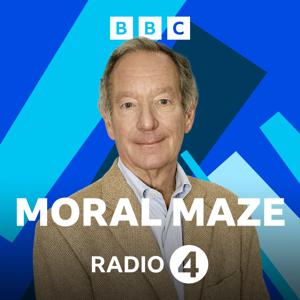

The political pressure cooker is rattling, steaming and whistling. MPs on all sides are venting outrage over the language used by their opponents. It’s like a real-life Twitter. The PM’s chief adviser Dominic Cummings has said the atmosphere in the country will get ever more toxic unless the result of the referendum is delivered. Meanwhile, opposition MPs blame the current fury on what they see as the government’s pig-headed refusal to compromise. Aristotle said: “Those who do not show anger at things that ought to arouse anger are regarded as fools.” Is fierce public rhetoric at a time of political crisis justified or counter-productive? When does the healthy expression of political anger become incitement to riot or murder? Anger is often described as ‘the moral emotion' – the one most likely to affect our behaviour for better or worse. It can be constructive if it’s harnessed to redress an injustice, but what if the fight against the ‘injustice’ is driven by the destructive desire for revenge? Is there a moral distinction between anger expressed in solidarity with the oppressed and anger directed to punishing our enemies? Is it always virtuous to control our anger? George Orwell defined the English character as one of extreme gentleness, “where the bus conductors are good tempered and the policemen carry no revolvers.” Is that national character now changing? Is it too late to recover it? And should we even try?
Producer: Dan Tierney
 View all episodes
 By BBC Radio 4

4.6
5151 ratings
The political pressure cooker is rattling, steaming and whistling. MPs on all sides are venting outrage over the language used by their opponents. It’s like a real-life Twitter. The PM’s chief adviser Dominic Cummings has said the atmosphere in the country will get ever more toxic unless the result of the referendum is delivered. Meanwhile, opposition MPs blame the current fury on what they see as the government’s pig-headed refusal to compromise. Aristotle said: “Those who do not show anger at things that ought to arouse anger are regarded as fools.” Is fierce public rhetoric at a time of political crisis justified or counter-productive? When does the healthy expression of political anger become incitement to riot or murder? Anger is often described as ‘the moral emotion' – the one most likely to affect our behaviour for better or worse. It can be constructive if it’s harnessed to redress an injustice, but what if the fight against the ‘injustice’ is driven by the destructive desire for revenge? Is there a moral distinction between anger expressed in solidarity with the oppressed and anger directed to punishing our enemies? Is it always virtuous to control our anger? George Orwell defined the English character as one of extreme gentleness, “where the bus conductors are good tempered and the policemen carry no revolvers.” Is that national character now changing? Is it too late to recover it? And should we even try?
Producer: Dan Tierney

7,913 Listeners
863 Listeners

1,067 Listeners
159 Listeners

5,576 Listeners

1,808 Listeners

1,729 Listeners

1,018 Listeners
2,113 Listeners
1,952 Listeners
32 Listeners
38 Listeners

428 Listeners
159 Listeners
43 Listeners
75 Listeners
108 Listeners
745 Listeners

3,245 Listeners
779 Listeners
1,010 Listeners
3,858 Listeners

1,314 Listeners
851 Listeners
48 Listeners