
Sign up to save your podcasts
Or

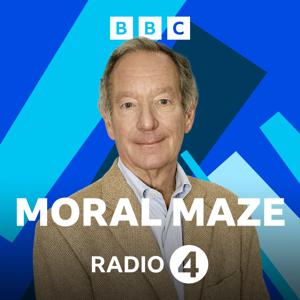

At the end of a landmark Vatican summit on paedophilia in the Catholic Church, Pope Francis had strong words for guilty clergy, describing them as "tools of Satan." Campaigners, though, are looking for the devil in the detail of the Pope’s proposals. Some of them are saying that the Church has now simply lost its claim to moral authority. Has it? Or, in our understandable revulsion to this scandal, do we risk overlooking what institutional religion might still have to offer? The loss of trust in institutions is also part of a wider cultural story that’s been playing out in the West for nearly a century, and that’s the story of the decline of obedience. For many, this is something to be celebrated, a recognition of the dignity of the individual, the primacy of personal sovereignty. For others, it has created a moral relativism that is making people more self-absorbed and selfish, and that will tear society apart. Cardinal John Henry Newman (who is about to be canonised) once said: "I shall drink … to Conscience first, and to the Pope afterwards." Should we have a duty to anything other than our own conscience? If so, what else should demand a claim on our obedience? Many who applaud the civil disobedience of school pupils leaving lessons to join climate protests are appalled by the rise of recreational drug-taking, yet both are acts of rebellion. Individual disobedience can be harmful to ourselves and others, but mass disobedience can change the world. Does our culture value obedience too highly, or not highly enough?
Producer: Dan Tierney
 View all episodes
 By BBC Radio 4

4.6
5151 ratings
At the end of a landmark Vatican summit on paedophilia in the Catholic Church, Pope Francis had strong words for guilty clergy, describing them as "tools of Satan." Campaigners, though, are looking for the devil in the detail of the Pope’s proposals. Some of them are saying that the Church has now simply lost its claim to moral authority. Has it? Or, in our understandable revulsion to this scandal, do we risk overlooking what institutional religion might still have to offer? The loss of trust in institutions is also part of a wider cultural story that’s been playing out in the West for nearly a century, and that’s the story of the decline of obedience. For many, this is something to be celebrated, a recognition of the dignity of the individual, the primacy of personal sovereignty. For others, it has created a moral relativism that is making people more self-absorbed and selfish, and that will tear society apart. Cardinal John Henry Newman (who is about to be canonised) once said: "I shall drink … to Conscience first, and to the Pope afterwards." Should we have a duty to anything other than our own conscience? If so, what else should demand a claim on our obedience? Many who applaud the civil disobedience of school pupils leaving lessons to join climate protests are appalled by the rise of recreational drug-taking, yet both are acts of rebellion. Individual disobedience can be harmful to ourselves and others, but mass disobedience can change the world. Does our culture value obedience too highly, or not highly enough?
Producer: Dan Tierney

7,913 Listeners

863 Listeners

1,067 Listeners
159 Listeners

5,576 Listeners

1,808 Listeners

1,729 Listeners

1,018 Listeners

2,113 Listeners

1,952 Listeners
32 Listeners
38 Listeners

428 Listeners
159 Listeners
43 Listeners
75 Listeners
108 Listeners
745 Listeners

3,245 Listeners

779 Listeners

1,010 Listeners

3,858 Listeners

1,314 Listeners
851 Listeners
48 Listeners