
Sign up to save your podcasts
Or

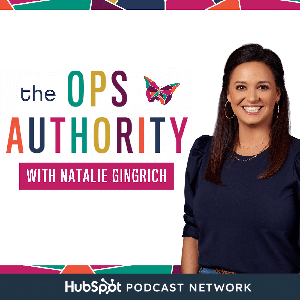


Have you evaluated your service offerings lately? And do you know if they are helping you reach your financial goals?
Today we are talking about how to evaluate your current offers. I'm going to help you determine if your service offerings are serving you… and if they are serving your bottom line.
You are invited to our upcoming Masterclass! We will be spending two 2-hour training sessions coming together in an actionable way to help and develop you and your career path. We will examine how you can get clear on where your gifts lie, what level of service you should be providing your clients, and how to offer services that optimize your skills and goals. Join us on May 18th & 19th.
Evaluating Your Services
Do your service offerings make sense for your bottom line?
In episode 95 we talked about setting financial goals and we looked at those through the good/better/best (GBB) goals framework. The key numbers that you need to know every single month are revenue, profit, profit margin, and the income that you pay yourself. Pick one of those to set your GBB goals off of.
Make a ListMake a list of every single thing that you sold this past year. For example, if you did a strategy session a couple of times last year, that would be one offer. Additionally, if you did some ongoing retainer work, that would count as another offer. You may need to look over your financials so that you can remember everything.
Quantity
How many of those offerings did you sell? Attach a number sold to each service (you may want to think of this as an excel spreadsheet).
Cost of Services Sold
This is how much it cost you to provide this service. An example would be if you were doing a retainer contract for someone and you needed some additional support to help you deliver on the scope of work that you agreed to. If you hired a VA to help, whatever you were paying them to help you would be the cost of services sold.
This may also include systems and technology costs. Pull the cost of services sold out of the product's pricing.
Actual Revenue
Ultimately, you want to see if the revenue helps you hit your GBB goals. Ask yourself, "is this a profitable and aligned service?"
You may want to reconsider your pricing, or if you offer this service at all if it doesn't make sense. Look at the real revenue, which is the price of the product times the quantity minus the cost of services sold.
"Sometimes we can get in big trouble over the cost of services sold."
Time and Effort
In addition to the profit and revenue, look at and assess your time and effort. This may be more difficult to quantify. Also consider if you are using your innate or natural skills.
"Deep down you know if your efforts are worthy or wasted."
Skill Set
This is how closely aligned the offer that you are putting out is with what your zone of genus is. Use a scale of 1-5 (with 5 being the least, 1 the most) and measure:
You want the number average to be really high, so if it isn't, you may need to reassess.
When you get revenue that is profitable, you will also get a higher number when you average time, effort, and skillset, and there you will find magic in offering something that comes really natural to you.
"The more natural it comes to you, the more profitable it will be and the least resistance you will have to show up and sell the product."
Consider removing the offers that aren't aligned and helping you to get to your GBNB goal, or if they aren't aligned to your skillset. Go deeper into the ones that are more profitable and more aligned.
If you want to create the most profitable offer for yourself right now, consider a one-to one service offering! The service professional space is an amazing way to establish a healthy and profitable business with very little marketing and close to zero startup investment.
Don't forget to sign up for our upcoming Masterclass which will help you get clear on how you can build your dream career while leveraging the skills that come natural to you!
Weekly Ops ActivityCome on over to our Facebook group, and tell us your most profitable offer.
Previous Episodes MentionedEpisode 95: How to Set Financial Goals as a Service Provider
Other Ways to Connect with Me:
Website
Private Facebook Community
Facebook Page
This episode was first published at theopsauthority.com/podcast/96.
As a service provider, do you struggle with financial goals?
Today we are talking about setting realistic financial goals for service providers. We are all in business to make a profit and to do something that comes natural to us. I believe that we can marry these two things together and reach real fulfillment that can lead to a legacy life.
It starts with creating true financial goals, rather than arbitrary financial goals which you don't end up tracking.
What You Need To Get Started
These things will allow you to create your financial goals.
Track Every Expense
You need to track everything that is coming in (revenue), and also everything you spend (expenses). Make sure you reconcile your expenses at the end of each month, meaning you will categorize them and put them in the buckets in which they belong. Create the categories that make sense for you (example: marketing, gifts, labor.)
You also want to look at your expenses and categorize them based on products or services. When you look at your expenses, do they contribute to a specific client or a specific product? This helps you to understand the cost of goods or cost of services sold. Long term, this will help you see how much profit you are actually making and understand how much profit you make on each specific client.
Centralize Your Systems
In the beginning I was doing all of my expenses on an Excel spreadsheet, but things started to get more complicated around the 18 month mark of my business. I really needed something more powerful and automated so I could spend less time on these tasks. I needed a tech system that could house this info and could be integrated into my payment system. My choice was Quickbooks, which shows me reports month over month, and also trends that are popping up.
Invoicing SystemAn invoicing system is automated, which will help you reduce your errors in billing on a consistent basis. Speaking from experience, it is painful when you accidentally skip a month of billing because of a manual error on your part. Selecting an automated system will give you peace of mind.
Additionally, these financial tools will help you assess the risk of entrepreneurship, and help you articulate this information to a spouse or other necessary party.
How To Set Financial Goals as a Service Provider
You need to know these four numbers on a monthly basis:
These numbers will help you assess what your performance is like, and be fundamental in goal setting.
Additionally, each month I want you to know the drivers for the revenue that month. What products were these numbers coming from? Which products are bringing in active revenue, and are allowing you to be profitable? These numbers might surprise you. Know what is driving your sales and revenue so you can constantly review your services.
How To Set Goals
Ideally, you will have your numbers for the whole of 2020. If you don't, at least go back to Q1 (Jan 1 - Mar 31) of 2021. You also want to have everything set up that has been previously mentioned, so that you can be on the path to setting goals.
"You cannot set goals without a foundation."
If you have 2020s records completed, look at the same four things we previously talked about:
There is an emotional component as well. When you look at these numbers, ask yourself:
"Honor those feelings of not feeling good".
You need to get clear on the things that do feel good, and where you can make the greatest impact with an audience that you deeply resonate with. There has to be a combination of hard data, and the emotional fulfillment that allows you to fulfill the dream that you set out for yourself.
Good Better Best (GBB)
I want you to set 3 types of goals.
Good Goal: When you look at the previous years numbers, set your good goal first. Your good goal should be the amount that covers the cost of your business, and your personal bills. This is the amount and that you are bringing home on a regular basis. This goal consistently is met.
Better Goal: Look at your good goal and add 10-30%. This is potentially where you can pay yourself more. This goal is occasionally met.
Best Goal: Take your better goal and add around 30%. The more you set those goals and compare them to your actuals, you will be able to better assess what these goals should be. This goal rarely happens.
When you have the GBB goals set for the entire year, reverse engineer and break those down into quarterly goals. If you have a purely client based business, you may not have trends, but you probably have a cap. Take that info and know the volumes you are working with and break down that big GBB goal into quarterly GBB goals. This allows you to assess at the end of every single quarter.
"Use the data to cast a vision of what you can do!"
Next Level
The next level is investing in a bookkeeper, so you are not doing this every single month, but handing it off to someone who will get to know your business.
You may also think about investing in a tax accountant, which will help you save money so you can optimize your financial goals.
Additionally you can set up a true budget, and a forecast which allows you to have a projection of where you are going so you can compare it to your actuals to make sure your GBB goals are all being met.
I hope this will help you understand the financial implications and the expectations that you have, and that they are grounded and rooted in truth!
I'd like to invite you to our upcoming Masterclass! We will be meeting live on May 18th & May 19th. If you are an operator or service provider we are going to help you zone in on where you should be focusing your energy, what comes most natural to you, and helping you to monetize your natural gifts.
Sign up here for the Masterclass!
Weekly Ops Activity
Look at your financials and set Good-Better-Best goals for Q2, Q3, & Q4 of 2021. Come on over to The Ops Insiders Facebook Page, and tell us once you have your goals set (no need to leave a number, just let us know that you took action!)
Other Ways to Connect with Me:
Private Facebook Community
Facebook Page
This episode was first published at theopsauthority.com/podcast/95.
What are your favorite resources when it comes to business growth and development?
If you have listened to the last two episodes, we have been talking about mentors and the types of people you need in your business as you continue to grow and scale. Today I'm wrapping up by sharing what I have been doing as the CEO of The Ops Authority over the last year to continuously grow and develop.
Areas of Growth & Development
I began this business in 2015, and have entered the growth phase of the business about two years in. Right now we are in the beginning of the scaling phase, as our programs are becoming more predictable and our team is being built out. We have attempted to build the program out to fit my personality, style, and goals in order to create a true vision.
Anytime you are building something like this out you will run into obstacles and things that don't feel like they are in your wheelhouse. Operations come super easy to me, but there were some gaps that I had because my corporate background was very narrow.
"When you are an entrepreneur, you have the responsibilities of every side of business… whether you want them or not."
In that transition from corporate life to running my own business, it was much more robust of a scope than I'd ever dealt with. I needed to gain some knowledge in several areas.
Financial Acumen
I'm a spreadsheet person, but being aware of what financials are important is one thing… actually doing them in your own business is a whole other ballgame. I don't believe that anyone is teaching entrepreneurs the true depth of financial acumen that you need to run a sustainable business that will allow you to scale. I continue to dive into this area which has also allowed me to understand more about retirement, annuities, and all of those important fundamental financial components.
Vision
As a Director Of Operations (DOO), and a previous chief of staff for a Fortune 150 company, I am amazing at execution, integrating, and leading people. The difficult part of having my own business was the vision. I needed to be able to dream and find a place where I could imagine what this business could do... my real "why" for devoting so much time, energy, expertise, investment into this business.
I had to work very deeply on identifying what my vision is. But, the stronger our financial position gets, the easier it is for me to cast a bigger vision. My vision is so much stronger and bolder and to some degree; I just needed experience and success so I could continue to drive the vision forward and expand it.
Human Resources
I have 10 years of experience in corporate human resources, and I am always looking for more knowledge about HR practices.
SHRM: I subscribe to SHRM (Society of Human Resource Managers) and it's important that I stay up with what is happening in the field. There is so much knowledge about all sizes of businesses. It's a great hub.
Kolbe: The other piece I always want to know more about is the Kolbe, which is a certification and an index that will help you understand people's natural tendencies to process work. It has played a big role in my business as I help people identify their talent.
Resources
It is so important to know what your gaps are and to stay on top of your industry. These are some of my favorites.
"Know your gaps and stay on top of your industry."
BooksBigger Than You by Kelly Roach: Kelly is my business coach, and this was the book that I read (before I started coaching with her) that told me that this woman had what I needed. Some of the foundations that she lays out have allowed me to scale faster in the last 24 months.
Atomic Habits by James Clear: A great book on productivity.
Blue Ocean Strategy by Chan Kim: This book encouraged me to see what I was doing as a "blue ocean." It helped me see what impact I could potentially have.
5 Dysfunctions of a Team by Patrick Lencioni: Patrick is a maven in the leadership space, and has amazing advice about growing teams.
Built to Sell by John Warrillow: When I started, my goal was to replace my corporate income ASAP, so I could continue to build my legacy. This book is an awesome read that helps you think differently about the business you are building.
Giftology by John Ruhli: This book focuses on the client experience. It helped me to see how much a gift can deepen your relationship.
Exactly What to Say by Phil Jones: This is a super short read that packs a big punch.
Dare to Lead by Brene Brown: One of my favorite authors, and everything she does is research based.
The Most Powerful Woman in the Room is You by Lydia Fenet: This is an empowerment book with an amazing story of a woman in a male dominated space.
Alter Ego by Todd Herman: This book is both strategy and mindset. It is also a personal development book, and has helped me with my mindset as I walk into difficult situations.
Podcasts
Second in Command with Cameron Herald: Interviews with COOs, who often face the same challenges as DOOs.
Marketing for Coaches, with Matthew Kimberly: (Formerly "Get a Grip") I love the host's no nonsense attitude, and that he has content that is specific to how to market as a coach.
What Works with Tara Mcmillan: I think she is one of the best interviewers of anyone in the podcasting space. I was on her podcast last year, and she finds real people to tell their stories and gleans big lessons from them.
Not For Lazy Marketers Podcast with Emily Hirsh: This gives me my dose of marketing for my specific industry. The episodes are short and give lots of great info that you can implement, all in a short time.
Life Coach School with Brooke Castillo: I enjoy the way this relates to business, health, wealth, and mindset.
The Newsworthy with Erica Mandy: All the days news boiled down to 10 minutes.
Programs
Professionally investing in the Unstoppable Entrepreneur, with Kelly Roach has changed the trajectory of this business and allowed me to get closer to my vision. Having accountability has allowed me to have growth so much faster because I had a support system. This program has allowed me to build the most comprehensive, supportive program that has a focus solely on operators.
I hope you find these resources as valuable as I have!
Weekly Ops Activity
Head on over to our FB group and share a business book that has helped you to move your business forward.
Other Ways to Connect with Me:
Website
Private Facebook Community
Facebook Page
This episode was first published at theopsauthority.com/podcast/94.
With so many coaches and mentors to choose from, how do you choose one that is right for you?
Today, we are talking about how to find a mentor who is right for you in your stage of your business; one who will help you progress to the next level. Mentorship has had a profound effect on me, and has been a theme throughout my professional journey.
If you listen to episode 92, about the 4 different people you need in your life, it will demonstrate the structure that I have had that has led me to success. Having that structure is critical.
So how do you find the right mentor? Today I will be digging deep into what you should be looking for in a mentor/coach.
5 Tips To Finding The Right Mentor
The impact of a mentor has allowed me to take the biggest leaps in my business. At this level, the person you are looking for will be a little less personal and more professional. They have done what you want to do, and they have a path for you to follow.
When you go on a search for a mentor, you want to see the great heights you can reach because this person has done it. You also want to make sure you pay attention to how this person has overcome obstacles. Any person you admire or look up to has likely faced deep struggles. Make sure this person has the ability to be communicative, supportive, approachable, focuses on the whole human, and that they have achieved the things on your radar.
"A mentor is the best version of you and your business… they also have the experience to guide you through hardships and struggles."
1. Take TimeYou cannot be sold into a mentor, you will have to search for it. For instance, if you show up randomly to a webinar and are looking for a mentor, practice deep restraint. I want you to go searching for this person, just as if you were growing your team. Take your time. Don't take quick action when it comes to selecting a mentor.
Selecting a mentor is not a box to be checked, it is a feeling of needing greater support. You need a partner to come in beside you and help you to get "there" quicker. It is a big commitment, as often you will be committing to at least a 12 month relationship.
2. Do A Strategic Review
Take the time to do a strategic mapping of your own business. Think about what is happening in the major pillars of your business, including marketing, operations and fulfillment. Write down the things you are confident in, and note where the gaps are.
When you look at the strengths and gaps, are the gaps in your wheelhouse? If not, use this information to help you determine who is the right mentor for you. You may need to identify a mentor who can help you fill in the gap for things that you aren't able to figure out on your own.
Be honest with yourself and ask, "what size of business do I currently have and how big of a business do I want to have?" When you are looking for a mentor, if you want to go from $30,000 to $180,000, choose someone who has had a similar result rather than choosing an iconic mentor who is looking to scale a much larger business. Their mindset will be very different from yours based on your respective goals.
3. Character & Values
When you are looking for a mentor and a coach, that person will have a lot of influence on you, so you must make sure your character is represented in the person you choose. You also want to make sure you understand what this individuals values are. If it's not obvious, reach out to the person and ask them. You have to know that they have done this work in order to partner with them. Dig deep, and make sure they are attentive and are excited to answer your questions.
4. Proof of Experience, Expertise, and Results
This person absolutely needs to have results for the exact needs that you have. If you are seeking this person because of your gaps, make sure they have provided results for other people like you. In most cases mentors become mentors because they have mastered something and have thought leadership in an area that you are desiring.
Just because someone has learned to do something, doesn't mean that they are suited to teach others that "something." They may have had experience in something, but that doesn't mean they have the expertise or results, so you need to do your homework. If a mentor is constantly pivoting, that is a red flag.
5. Connector + Community
Your mentor needs to be a connector and have a really strong community. The mentor's reputation matters, but who they are as a person is going to be indicative of the people that they surround themselves with. This is a win-win situation because you are gaining a lot of value and structure from this person, but you can also have a profitable relationship. If people come to them with needs and you are the right person, a connection is very easy to make. Because of their network, it can also be easy for you to refer.
These 5 things have been very important to me in my journey and I hope you find them helpful!
"A mentor is someone who allows you to see the hope inside of yourself." - Oprah Winfrey
Weekly Ops Activity
Tell me who is on your radar for your next mentor? Let us know in the Facebook group!
Previous Episodes Mentioned
Episode 92: Four Types of People Who Will Help You Grow Your Business
Other Ways to Connect with Me:
Website
Private Facebook Community
Facebook Page
This episode was first published at theopsauthority.com/podcast/93.
Who are the people who help you grow and flourish in your business?
Today, we're talking about a topic that will hopefully be beneficial as you grow your service based business. Because we are service providers we tend to be the servant type, but today we are talking about the four people you need in your business as it grows.
Four Types of People You Need In Your Business
A common question I'm asked is "Who do you lean on for support" or "who is your coach?"
As I reflect back over my entire career, I always remember having mentors. I wouldn't be at this point in my career if I did not have the influence of a variety of different people in my life. I've identified four different types of people who have influenced me in my journey. This is a framework that has served me both personally and professionally.
1. Your Biz Bestie
These are your business influences that have become real friends to you on your journey. They are typically some of the first people who influence your business and are similar to you or are in a similar stage of business. I met many of my biz besties through Facebook groups, and sometimes these people would even turn into clients.
A biz bestie is someone you have a real life connection with. Business may have been the thing that attracted you to them, but along the way you became good friends. They allow you to be open, candid, and unscripted.
2. Your Mastermind
The mastermind is a group of people you are drawn to, and who share your values. There is often a common thread amongst the entire group. I've had the best luck in masterminds when we all had a connection around our strongest values, even though the businesses we represented were very different. No one was in the same space, so there was no sense of competition.
I prefer to be in a mastermind of complementary businesses. When people come from different experiences, we tend to collaborate in groups which makes it easy for everyone to share. Over time those masterminds become stronger and stronger, and oftentimes end up being some of your business besties.
3. Mentor/Coach
This person is typically paid. They have gone before you so they are significantly ahead of you in business. This person has experience and success underneath their belt, they are doing something you aspire to do, and they have what you need.
I've had four different paid mentors at different times in my journey. I've reached out and became connected and mentored by someone who had something I needed. Sometimes it was in the operational field, sometimes I leveraged business model experience and knowledge, and currently I am mentored by someone with marketing knowledge.
"One of the richest things I've received from every coach that I've worked with are the strategies that helped them become effective."
Don't have more than one mentor at a time! Do the internal work to figure out what you need support on, find who you need, and validate that this person aligns with you.
"When our environment becomes pervasive with thought leaders, ideas, and strategies, it can put us in a place of stagnation."
4. Inspirational Figure
These people may not be in your field, but they are aspirational. You find yourself watching the way they run their business, and the way they show up and build their business. You don't want to replicate their business but you are influenced by what they are doing.
It's important to find people who aren't in your space, but still give you an aspirational level to admire. Let it help you connect to what your business could be in the future. Let it help with strategy and innovation, and watch the way other women are thriving in their business. Let it fuel you!
Although the specific people may change over time, you need all four of these women in each stage of business growth!
Weekly Ops Activity
Who is your biz bestie (or besties)? Head on over to the Facebook community, and let us know!
Other Ways to Connect with Me:
Website
Private Facebook Community
Facebook Page
This episode was first published at theopsauthority.com/podcast/92.
Are you thinking about becoming a certified Director of Operations, but still having some doubts? Are you struggling with mindset issues?
Today we have a very special guest who has come through the Director of Operations (DOO) certification program. Alexia Bustios is joining us to talk about mindset and some of the doubts and fears you might be struggling with.
Meet AlexiaAlexia is the co-owner of Showtime Online Business Management and a certified DOO. She works mostly with retainer clients, but may be shifting to an agency model in the future.
Alexia started out in real estate, and landed in event planning as a project manager, traveling to put on large events for over 8 years. She was feeling burnt out on all of the travel and was looking to make a change. She slowly started to look into how she could pivot to online business when the pandemic hit and one of her big events was shut down. At that point, she had no choice but to pivot to the online business space.
What attracted you to the DOO certification?
Once you became aware of the program, what convinced you that this was right for you?
"Sometimes we feel like we have to suffer in order to be paid a certain amount of money, and we can't just do what comes easy to us." - Alexia Bustios
When you were coming through the program, what was the differentiator in the content?
Tell us about your successes. What does your business look like today?
"The tools that the DOO program gave me set me on a trajectory of success that I have only dreamed of before." - Alexia Bustios
Has the quality of your clients changed?
"If it doesn't bring me joy or it doesn't bring me peace, I want the option to say no."- Alexia Bustios
What advice would you give someone on the fence?
If you like what you heard today and think this program is for you, apply now!
Connect with Alexia
With more than 8 years of business experience, Alexia has managed projects for national brand name corporations for just about any industry you can think of , where her main focus was on client experience. After her success traveling the country to work with some of the biggest brand names known, Alexia has followed her passion to help other business owners and brands make a bigger impact in the world. As the Co-Owner of Showtime Online Business Management and a certified Director of Operations she partners with business owners and their teams to bring strategy and expertise to their operations and team life.
Other Ways to Connect with Me:
Website
Private Facebook Community
Facebook Page
This episode was first published at theopsauthority.com/podcast/91.
Do you still have questions about the Director of Operation Certification program? Want to hear from students who have gone through the program and get their insights and experiences?
Today, some of my trusted peers, Rachel Pereyra, Ange Quinn, and Teresa Cleveland, are sharing some of the questions they get asked about the certification. They are all Certified Directors of Operations (DOO) who have come through the program at different times.
In our Facebook group, these are the ladies who are active, provide people with answers, and they want to help answer questions that you have and address the things that may be preventing you from joining the program.
Questions Answered by Certified DOOs
Ange Quinn joined the DOO certification program in Round 6. She had a corporate background but struggled to find where she could build an attainable business online. Find Ange at her website here.
Teresa Cleveland spends so much time pouring into people who have questions about the DOO program. She came through the program in Round 2, and you can find her at The Purposeful CEO. She has worked online for the last 12 years.
Rachel Pereyra is the CEO and founder of Mastermind Business Services. She is currently in Round 7, and has had a transformative experience in the program. She feels that one of the biggest selling points of the program is the community because it has changed everything about the way she thinks about her own business, and has expanded her impact.
How can I use my corporate skills to start an online business?
Ange: I speak with a lot of ladies who have a lot of skills and certifications, and they wonder how this certification will help them above project management training, PMPs or other training that they have already gone through.
This program up-levels your skill set in a variety of areas, and it also helps you grow your own business by applying these same skills. You can hone in on the specific areas you are interested in, and create a business that is suited to your strengths.
How does this program stack up against others?
Teresa: This program is incredible because of what Natalie pours into it. She is so in tune with the community, and her desire for our success is unmatched. The community she has cultivated is a group of trusted peers who are brilliant and willing to share with each other.
"By attracting and vetting people in their leadership capabilities, we resist that friction of competition and start to see everybody as peers and partners." - Natalie Gingrich
Ange: Natalie doesn't want it to be 'The Natalie Show'... she allows others to add their value, which allows us to grow in leadership.
How can I translate my corporate expertise to online business?
Teresa: I talk to people who have had terrible corporate experiences, but by working the program, women can see how they want to apply their skills. The culture of the program is so important because it allows people to see how they can still do what they love, and helps them practically apply it to their business model.
What's the point of the application process?
Teresa: The application process isn't just a marketing ploy … I actually know people who haven't gotten in.
Natalie: I truly want to make sure that the right people are getting in. If you are going to share your hard earned dollars with me, I want to make sure that I see your potential, and that your working with me is going to generate revenue for you. I'm super proud to say that in our Round 6 cohort, 96% of the participants have gotten a 100% return in 6 months.
Rachel: When I talk to people about the application process, I tell people that they want to be in a program that doesn't accept everyone because you want to make sure that the program is something that is right for you. The people who are accepted are vetted and invested in this type of work.
How long until I make money?
Teresa: You can make your money back if you just take what you learn in the first module and apply it.
I want to pay for the program up front, so I need to get one more client. Is this a good idea?
Ange: I was 3 months into the program, when I realized that while I could help the clients I was already working with, they weren't really my ideal clients.
Rachel: The price tag was one of my struggles because I was fairly new in the online space, fresh off my transition from corporate. As I went through the program, I up-leveled some clients, lovingly let go of some clients, and found new clients that see me in a different light.
Teresa: It also helps you say no to those wrong fits instead of keeping them on, which is empowering.
What difference has the certification made?
Teresa: We are bringing "the goods." I rarely mention the certification to clients, they just know by the way I'm showing up that there is something different. Our skill level is making a difference in the businesses we help.
Rachel: I parted ways with a client just before starting the program, and we recently reconnected. She has told me the difference she sees in my skill level and the way I am presenting myself, and she is now sending me referrals!
Ange: The structure is key. I had the knowledge from past experiences, but in a different realm. I could see all the things I could do to help these clients but I didn't know what steps to take first. This program gives you clarity on how to use your skills.
Is the material relevant?
Teresa: The material helps up-level your business, and I've seen so much added to the program through the iterations. After 12 years online I am still learning things here, and a lot of it has to do with the structure it provides.
"I've never once heard anyone say that they regretted doing the certification, they just wish they would have done it sooner." - Teresa Cleveland
If you like what you heard today and think this program is for you, don't hesitate to apply!
Weekly Ops Activity
What question do you have that wasn't addressed in this episode? Ask your question in the Facebook group and Team DOO will answer!
Other Ways to Connect with Me:
Website
Private Facebook Community
Facebook Page
This episode was first published at theopsauthority.com/podcast/episode90.
Are you interested in hearing more about how people who have come through the Director of Operations certification program are structuring their businesses?
My guest today is Courtney Waid, who came through the Director of Operations (DOO) certification program in Round 6. I'm chatting with her about the way she has been able to cultivate success for herself and the transitions she has made as she has come into the space.
Meet Courtney
Courtney the founder of First Turn Operations, and a mother of four. Her background started in the army. She is a West Point graduate, a former army intelligence officer, which she loved.
Once she had kids she decided to get out of the army, while her husband continued in his fast paced army career. She kept busy with various volunteer gigs, mom groups, and charities but she wanted to do more.
"I always really struggled with wanting to put my skills to use, but wanting to be there for the kids."
She started out as a virtual assistant, and found she enjoyed the operations and project management tasks. She moved up in the ranks of a VA company and when one of the founders decided to go back into the coaching business, she was recruited to work as a community manager and eventually became the DOO of that organization. Shortly after she started in the DOO program, her organization shifted gears, which was then the perfect opportunity to strike out on her own.
As you were thinking about up-leveling your skills, what was it about the DOO certification that intrigued you?
"The ability to match your aptitude with what you enjoy comes out in the DOO program" - Natalie Gingrich
"When you're good at getting things done, you end up doing all the things." - Courtney Waid
When you were looking over the certification, were there any fears or doubts you had?
Of the 5 components of the program, you weren't interested in the HR component. But as we talked about HR in a way that was different than your initial impression, you seemed to open up to it. What did you learn as you went through the module?
What are some of the services you have offered as you have gone through the program?
Any thoughts on if the product space will or won't work for you?
What has been the impact of the DOO certification on your life?
What would you say to someone who is considering the DOO certification program?
As we get ready for the next round of the DOO certification program, I hope you will join us for the Scope Creep Solution.
Connect with Courtney
Courtney Waid is the founder and CEO of First Turn Operations which specializes in creating automated workflows for impact-driven businesses. A West Point graduate, Iraq war veteran, and former Army officer, Courtney left a career in the military to focus on her kids when balancing family and deployments became too difficult. Since then, she's been passionate about helping business owners create more efficient processes so they can fulfill their missions while still having time for the people and activities they love.
Courtney currently lives outside Ft Worth, TX with her husband, 4 kids, and a menagerie of farm animals. In her free time, she enjoys drinking coffee, riding horses, and nerding out on Zapier automations.
Website
Other Ways to Connect with Me:
Website
Private Facebook Community
Facebook Page
This episode was first published at theopsauthority.com/podcast/89.
Are you hesitant to call yourself a project manager because you feel you are missing some kind of education, certification, or experience with that job title?
Today, we are talking about what it means to be a project manager, and why some of you are hesitant to assign that title to yourselves. What does it take to be a project manager, and are you a project manager but not using the title? Should you uplevel your title if that is the skill set and title that aligns with you the most?
I want to invite you to Scope Creep Solution which will be taking place at the end of March. It is a 5 day sprint to help you to manage your projects, set them up, and deal with changes that may occur.
Should you Add Project Management to Your Title?
Many of you have a project management skill set, and are natural project managers. Yet, perhaps you don't have formal training or education, so you skip the title.
I can relate; I have been a project manager my entire life but I never felt like I had the liberty or strength to call myself that until someone from my corporate experience recognized it, and put me into that position. I had massive imposter syndrome as I started this new role because I didn't have the designation that all of my peers had. Yet, after a few months in that role, I was outperforming several formally trained project managers, and it all had to do with my natural skillset.
"I was defeating myself because I didn't have the education and training that my peers had, but as I reflected over my life, I had managed time, resources, people and goals with ease."
It took me a decade into my corporate career before I could see that connection. I'm hoping today's episode will help you shortcut your ability to see your amazing skills for what they really are.
As we begin, I want to emphasize the difference between a project management skill set and a project management profession/title.
If you have the project management skill set you will probably recognize this from early in your childhood. If you were a lover of lists, and enjoyed leadership positions in which you managed people… you likely have a project management skill set.
If you have had the title, you may have gotten a certification or held the title in a work setting.
I felt I couldn't own the title until I actually worked in the role, but you can likely call yourself a project manager based on the roles you work in today.
"I've seen lots of people who have the skill set of project management not leverage that title, and I've also seen plenty who had the title but lacked the skill set."
What Makes a Project Manager
There are three different areas that make a project manager: hard skills (technical/learned skills), soft skills (innate/natural skills), and your traits (the features of your character).
Hard skills
These are skills that can be learned and they build off your soft skills and your traits.
"If people have called you bossy, thorough or organized, all of that boils down to the fact that you have been an excellent task manager your entire life."
These are all skills you can develop over time.
Soft skills
Soft skills are innate and natural; they are your God-given skill set that you were born with.
If you identify with the following six characteristics, it's time to start calling yourself a project manager.
Traits
These are the features of your character.
So how do you measure up? Do you possess many of these skills? If so, go ahead and give yourself a "promotion" to a project manager!
Don't forget to join us for The Scope Creep Solution, where we will spend 5 days talking all about project management, zeroing in on how to defeat scope creep in your projects.
Weekly Ops Activity
How many of the six soft skills do you have? To recap, the soft skills are: leadership, communication, teamwork, resolving conflict, prioritization, and organization. Come on into The Ops Insiders Facebook Group, and drop your number!
Other Ways to Connect with Me:
Website
Private Facebook Community
Facebook Page
This episode was first published at theopsauthority.com/podcast/88.
How do you spend your time in your business? Do you have a dedicated plan on where to focus your time and attention?
Today we're talking about wise ways to use your time as the leader and CEO of your business. I'm always curious to know how other leaders use their time. I wanted to share what I do so it can help you refine the way you spend your time and run your company. This conversation is really important as we move from a baby business to a big girl business.
There are three phases of business: building, growing and scaling. If you are in the building or growing phase, it is really important for you to wrap your head around the six buckets of time we will focus on today. If you don't dedicate the majority of your time to these six things, then it is going to be difficult to get into the scaling phase, which is the place we all dream of being.
"The success that you have in your business is a direct reflection of the way you spend your time in your business."
What does a weekly schedule look like?This is not a prescription. We are all building different businesses and you want to make sure that you are building a business that is authentic to you. What I'm sharing today are examples of the key buckets of time that I see as being really helpful in determining where you need to spend time in your business, but you may need to adjust. Be thinking of the buckets that make sense for you and your model, then start applying them.
Ultimately you need to think about the amount of hours you want to spend on each of these buckets, and set goals. Then you want to keep track, do an hourly inventory once a week, and try to adjust to match your goal for each bucket.
Today we are talking about what your weekly schedule should look like, and the areas of concentration that you need to dedicate time and attention to. There are six different areas you need to focus on if you anticipate getting to the scaling phase of business.
1. Business Development
If you are a service professional with a coaching business or an agency you will need to focus on business development. This means reaching out to people, building a strong network so that you can build business, and awareness. Business development activities may include working with affiliates, making connections with an influencer, or educating someone about your products or services.
"Business development can be very wide, but this is the piece of the business that is uniquely something you can do better than anyone else."
2. Strategy
We all wish we could have time to think about our business. Sometimes you don't have the bandwidth to work on your business or in your business because you are so busy serving your clients. Strategy is when you are doing your planning, when you are cultivating new ideas, when innovation pops up, when new product ideas come in, or when you get to brainstorm your business. My goal is to spend 10 hours each week on strategy, and when I have that dedicated time to strategize in my business, it makes things go much smoother. If you are here for the long haul, this is something that can't be avoided.
3. Marketing and Content
You need to create a marketing plan for your business. There are so many options to market and to be visible: podcasting, social media affiliate programs, etc. But you need dedicated time to be able to do this. I spend about 5 hours a week on my marketing plan and producing content. What if you did this in your business? Your content would be solid and you would be in alignment with what your future offers looked like.
4. Delivery and Coaching
Delivery and coaching refers to the coaching experience, leading a call, or recording content for delivery inside a paid program. I spend about 10 hours on delivery and coaching every single week.
5. Administration/Technology
There are certain things that only you can do in your business, whether it's dealing with applications, approvals, emails, or customer service. It's not always glamorous, but you will probably always have some time devoted to these tasks.
6. Team Development
It's important to develop, coach, train, and communicate with your team. I spend about 5 hours each week for my team of 16 people. I look at performance, organizational design, and how my team can develop and leverage their skill sets.
Think about these six buckets and recalibrate them to fit into your business model. Once you get the buckets adapted to your business, then you can start to allocate time to other projects if needed.
Weekly Ops ActivityReflect on your business model and figure how many hours you have available to dedicate to each of the six buckets, and what is your biggest area of focus? Share it with us in the Facebook group!
Other Ways to Connect with Me:
Website
Private Facebook Community
Facebook Page
This episode was first published at theopsauthority.com/podcast/87.
From the publisher's feed
1,935 Listeners

12,074 Listeners

29,207 Listeners

19,273 Listeners
957 Listeners
151 Listeners
8,465 Listeners