
Sign up to save your podcasts
Or

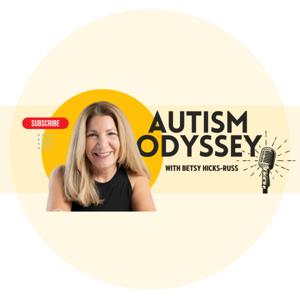

This episode brings together speech-language pathologists, seasoned practitioners, parents, and a scientist for an open, thoughtful conversation about spelling as a communication method for nonspeaking autistic individuals. Rather than meeting criticism with defensiveness, we invite listeners—including those who hold doubts—to explore the real science behind motor challenges, apraxia, and the often-overlooked intelligence of spellers.Our aim isn’t to argue, but to illuminate. There is no “debunking” to be done—only a call to look more closely, ask better questions, and recognize that at the very least, the evidence is far from settled. And when evidence is inconclusive, the safest and most humane path is to presume competence and allow individuals the right to communicate in the way that works for them.This conversation is a gentle invitation to pause judgment, listen with curiosity, and consider what becomes possible when we give every person a chance to be heard. It’s also the beginning of a larger series—there is more to explore, more evidence to share, and more voices to uplift.
 View all episodes
 By Betsy Hicks Russ
5
1515 ratings
This episode brings together speech-language pathologists, seasoned practitioners, parents, and a scientist for an open, thoughtful conversation about spelling as a communication method for nonspeaking autistic individuals. Rather than meeting criticism with defensiveness, we invite listeners—including those who hold doubts—to explore the real science behind motor challenges, apraxia, and the often-overlooked intelligence of spellers.Our aim isn’t to argue, but to illuminate. There is no “debunking” to be done—only a call to look more closely, ask better questions, and recognize that at the very least, the evidence is far from settled. And when evidence is inconclusive, the safest and most humane path is to presume competence and allow individuals the right to communicate in the way that works for them.This conversation is a gentle invitation to pause judgment, listen with curiosity, and consider what becomes possible when we give every person a chance to be heard. It’s also the beginning of a larger series—there is more to explore, more evidence to share, and more voices to uplift.

90,955 Listeners
3,340 Listeners
7,255 Listeners

1,728 Listeners
234 Listeners
414 Listeners
5,369 Listeners
887 Listeners

19,920 Listeners
11,420 Listeners

133 Listeners

1,711 Listeners

10,769 Listeners
8,664 Listeners
259 Listeners