
Sign up to save your podcasts
Or



Send us Fan Mail
Imagine hearing that your unborn child is missing a bone in their leg. Then imagine doctors telling you the only option is amputation. This is where Courtney Brown's story begins—a testament to the power of maternal intuition, faith, and the transformative impact of asking for a second opinion.
Courtney takes us through the emotional rollercoaster that began at her 20-week ultrasound when technicians discovered her daughter Kinley was missing her right fibula bone. With minimal guidance from her medical team, she embarked on her own research journey and discovered the condition was called fibular hemimelia. After Kinley's birth, multiple consultations with specialists led to the same conclusion: amputation before her first steps.
But six days before the scheduled surgery, Courtney couldn't ignore the persistent voice urging her to seek another perspective. Her eleventh-hour email to Dr. Paley, a specialist she'd only read about online, changed everything with his response: "I can fully correct Kinley's leg so she can run, jump, walk and play."
What unfolds is a beautiful narrative of faith, medical innovation, and a mother's unwavering advocacy. We explore the emotional challenges of handing a 19-month-old over for complex surgeries, the physical toll of recovery, and the incredible milestone of watching Kinley wear her first pair of shoes on both feet. Now preparing for her third of four planned surgeries, Kinley is thriving as an active second-grader involved in theater, art, and learning guitar.
Beyond the medical journey, Courtney offers powerful insights for anyone navigating healthcare challenges: trust your gut, don't be afraid to ask hard questions, connect with others walking similar paths, and remember that primary care physicians can be invaluable allies in coordinating complex care.
Have questions about medicine, mental health, nutrition, relationships or want to share your story? Reach out to [email protected] and join our community of curious, informed listeners who keep asking the right questions.
Send us Fan Mail
Have you ever walked away from a conversation feeling confused, defensive, and somehow at fault for something you didn't do? That's the disorienting power of logical fallacies – deceptive reasoning patterns that toxic partners deploy to maintain control and avoid accountability.
In this revealing episode, Tony Overbay and I decode the manipulative tactics that can make you question your own reality. We break down red herrings (distracting with irrelevant topics), straw man arguments (misrepresenting your position), whataboutisms (deflecting blame), and ad hominem attacks (targeting your character instead of addressing the issue).
What makes this conversation so powerful is our exploration of why emotionally immature individuals rely on these tactics. For many, it's not calculated malice but a desperate attempt to maintain a "one-up" position when they lack a solid sense of self. Understanding this doesn't excuse the behavior, but it helps explain why accountability feels so threatening to them and why they'll fight so hard to avoid it.
The most valuable takeaway? Practical strategies for maintaining your clarity when conversations twist. By pausing before responding, naming the tactic mentally, and remembering that you don't have to engage with every argument, you can protect your emotional well-being. We discuss how journaling creates a record that validates your experience when gaslighting makes you doubt yourself.
For the "pathologically kind" person caught in these dynamics, recognizing these patterns can feel uncomfortable – once you see them, you can't unsee them. But this awareness is the first step toward reclaiming your power and creating healthier relationships built on genuine communication rather than manipulation.
Ready to stand firmly in your truth? Listen now and discover how understanding logical fallacies can transform how you navigate difficult conversations and protect your emotional sovereignty.
Touch a nerve? Let us know, and leave a rating and a response. Questions? Send to us directly to [email protected]. We can't wait to put YOUR question on The Q&A Files!
Send us Fan Mail
What if the overwhelm, anxiety, and exhaustion you're feeling aren't signs of weakness, but your body's brilliant attempt to protect you? In this illuminating conversation with nervous system resilience coach Leah Davidson, we dive deep into the hidden language of your nervous system and how it shapes everything from your sleep quality to your ability to trust after betrayal.
Leah explains why our nervous systems toggle between hyperarousal (anxiety, irritability, racing thoughts) and shutdown (numbness, exhaustion, disconnection) when we perceive danger. She demystifies the vagus nerve—that mysterious communication highway carrying messages between brain and body—and reveals why 80% of these signals travel from body to brain, not the other way around. This explains why trying to "think yourself calm" rarely works as effectively as bottom-up approaches like breathwork and movement.
For those struggling with sleep issues, Leah offers a powerful reframe: "Your sleep is usually indicative of your nervous system state throughout the day." Sleep difficulties after betrayal trauma aren't coincidental—they're directly connected to your body's heightened vigilance. The good news? Your nervous system is remarkably adaptable, and with consistent practice, you can rewire those protective patterns.
Perhaps most reassuring is Leah's compassionate reminder that dysregulation isn't a character flaw but an adaptive response: "It's not because I was broken. It's because I brilliantly adapted to whatever was going on in my world that was very overwhelming." Through simple daily practices, community connection, and self-compassion, you can gradually create more safety in your nervous system and access the resilience that's always been within you.
Ready to befriend your nervous system and transform your relationship with stress? Subscribe to the Q&A Files for more conversations that blend cutting-edge science with practical wisdom.
Have a question for us? Email [email protected]—your curiosity might spark our next episode!
Is your marriage on the rocks? Schedule a free 30 min consult with Trisha, the "marriage whisperer!" Email her at [email protected] today!
If you’re looking to dive deeper into nervous system regulation, resilience, and self-growth, Leah Davidson is an incredible resource. Here’s where you can connect with her and explore her work:
Website:
leahdavidsonlifecoaching.com
Instagram:
@leahdavidsonlifecoaching
Facebook:
Leah Davidson Life Coaching
Join the Nervous System Journaling Club:
Connect with a community of like-minded individuals and dive into nervous system regulation practices.
Skool Community
Check Out Her Resilience Journal on Amazon:
Part of the Resilient Brilliance brand—this guided journal is designed to support nervous system regulation, mindfulness, and self-care.
Mental Health Journal for Anxiety Relief, Stress Management & Personal Growth (BlueGrey)
Send us Fan Mail
In this episode, we discuss the tragic case of a mother murdered despite a protection order. Her 17-year-old son discovering his mom's body while sheltering his younger siblings. The aftermath of domestic violence ripples through generations, reshaping how children form relationships and perceive safety at their most foundational level.
This episode unpacks the devastating psychological impact of domestic abuse on children through attachment theory. Tony Overbay explains how witnessing violence creates insecure attachment patterns—anxious, avoidant, or disorganized—that follow children into adulthood, while Dr. Jeff Jamison details the physical toll: persistently elevated cortisol levels, constant fight-or-flight activation, and developmental challenges that affect everything from academic performance to social connections.
For parents who've escaped abusive relationships, we offer a roadmap for helping children heal while navigating their own recovery.
We also tackle the complex emotional landscape facing abuse survivors—the guilt, empathy, and lingering attachment to abusers despite everything they've endured.
Healing isn't quick or linear, but with emotional consistency from the safe parent, children gradually distinguish between healthy and unhealthy relationships. If you're struggling with domestic violence or its aftermath, call the National Domestic Violence Hotline: 1-800-799-SAFE. Remember that healing is possible—even after the darkest experiences. You are NOT alone!
https://gofund.me/1328af7c
Send us Fan Mail
The gut-brain axis represents one of the most fascinating and consequential connections in our bodies, with profound implications for mental health. Did you know that 90% of serotonin—the neurotransmitter regulating mood, sleep, and anxiety—is actually produced in your gut? This revelation explains why what we eat directly impacts how we think and feel.
For parents struggling with children experiencing ADHD symptoms, this episode delivers eye-opening research on how eliminating artificial food dyes, preservatives, and high-sugar foods has shown remarkable improvements in focus and impulse control. We explore practical approaches to introducing healthier options that won't trigger resistance from even the pickiest eaters.
Perhaps most alarming is our deep dive into industrial seed oils—those supposedly "heart-healthy" cooking oils that undergo extreme chemical processing. From hexane extraction (using a petroleum-derived neurotoxin) to high-heat deodorization creating trans fats, these oils undergo a shocking transformation before landing on supermarket shelves. We break down how these oils disrupt metabolism, drive chronic inflammation, and potentially contribute to everything from heart disease to cognitive decline.
The standard American diet contains an omega-6 to omega-3 ratio of up to 50:1, when it should be closer to 3:1. This imbalance creates the perfect storm for systemic inflammation affecting both body and mind. But there's hope—we outline simple, practical alternatives and a three-step approach to making sustainable changes that won't overwhelm your already busy life.
Small, consistent changes add up to significant health improvements. Share this episode with someone who needs this information, and send your questions to [email protected] to help shape future discussions about reclaiming your health one small decision at a time.
Questions: email us at [email protected].
Problems in your marriage? Trisha is here to help. She loves helping couples find connection and reignite the fun! She coaches strictly online and makes every encounter memorable. Email her at [email protected]. Visit her website at www.
Send us Fan Mail
Are you tired of conflicting nutrition advice? This episode unravels the relationship between indulgence and health, highlighting the intricate bond we have with our favorite treats and how they impact our well-being. Join Trisha Jamison, a board-certified functional nutritionist, alongside Dr. Jeff Jamison and Tony Overbay as they navigate this engaging conversation. Delve into what it really means to indulge, from a personal perspective filled with anecdotes about ice cream and gooey cookies to a broader discussion on ultra-processed foods that flood our supermarkets.
As a listener, you'll gain insight into how the foods we consume affect not just our physical health but also our emotional well-being. Our featured listener question sheds light on concerns about dietary habits, including links to ADHD, mental health, and strategies for transitioning to a whole-foods diet without chaos at home. Understand the NOVA classification system to help differentiate between food types, and discover practical steps to clean up your diet without feeling overwhelmed.
With supporting humor and relatable stories, we tackle the real choices that shape a healthier lifestyle. Find encouragement and clarity in our discussion, and learn why what you eat can either fuel your well-being or perpetuate health issues. The more you understand your food choices, the more empowered you'll be to make transitions that last. Dive in, stay curious, and connect with this vibrant community for more health insights! Don’t forget to subscribe and share your thoughts with us.
Email us at [email protected]
Send us Fan Mail
Thank you for listening!
In this enlightening episode, we delve deep into the critical topic of behavioral health through the expertise of our special guest, Nisha Wright. As a Marriage and Family Therapist, Nisha sheds light on the interplay between mental health and the support systems surrounding individuals with developmental disabilities. Our hosts, Trisha Jamison and Dr. Jeff, navigate the conversation with warmth and understanding, addressing the common misconceptions that often cloud the field of behavioral health and emphasize the importance of empowering individuals to embrace their independence.
Listeners are treated to an engaging discussion that covers the role of caregivers—discussing not only the physical demands but also the emotional challenges that often lead to caregiver burnout. Neesha shares effective strategies for self-care that listeners can implement into their daily lives, reminding everyone that their well-being is just as important as those they care for. Through storytelling and shared experiences, the episode illustrates how understanding and empathy play key roles in fostering meaningful connections with those they care for.
Tune in for a significant discussion about how behavioral health empowers individuals and families alike, as we explore real-world strategies for navigating complexities with grace and resilience. Whether you're a caregiver, a family member, or someone interested in mental health, there's something in this episode for everyone. Don't miss the opportunity to learn, grow, and connect in our community. Remember to subscribe, share, and join us as we strive for a healthier, happier tomorrow together.
For questions or comments, please email us at [email protected].
Send us Fan Mail
Have you ever noticed how the smallest joys, like a warm chocolate chip cookie, can bring unexpected delight amid life's challenges? Join us as we share lighthearted moments from our own lives alongside more serious conversations, like Tony's journey toward his upcoming neck surgery. We discuss the blend of fear and hope that comes with placing your trust in medical professionals and the supportive camaraderie that can transform daunting experiences into moments of growth and resilience.
Unlock the secrets of your brain's inner workings as we explore the fascinating role of the Reticular Activating System (RAS) in shaping perceptions and filtering information. Discover how this powerful system can impact your self-worth and confidence, and learn strategies to refocus your mindset from negativity to gratitude. By celebrating small wins and recognizing personal growth, we reveal how you can retrain your brain and build mental resilience. Plus, we share the joys of community, from nearly 50 participants in our book club to the amusing mishaps of unexpected therapy session noises.
Our episode takes an insightful turn as we examine how long-term relationships are affected by the brain's processing of familiar communication, making partners' voices blend into background noise. We discuss strategies for rekindling connection and ensuring genuine interaction, focusing on the courage it takes to truly know and be known by your partner. With our FILTER framework, we guide you through maximizing your doctor visits and embracing personal growth, helping you navigate the journey from emotional expression to actionable change. Celebrate the power of positivity and transformation, and join us in enhancing your journey of learning, growth, and self-compassion.
Need relationship advice? Want to spruce up your marriage? Become one of Trisha's clients! She is accepting new clients now! Contact her at [email protected] for more information!
Send us Fan Mail
Have you ever wondered if portraying a facade on dating apps could be holding you back from finding true love? Tune into this week's episode of the Q&A Files, where we sit down with newlyweds Hannah and Cody Benefil. They share their heartfelt journey through the world of online dating, offering insights on the importance of authenticity when swiping and matching. By being true to themselves, even at the cost of fewer matches, Hannah and Cody found a deeper connection that transcends the superficiality often present in dating app culture.
We'll explore how the dating app Hinge can be a game-changer, allowing users to express their personalities through unique features like voice recordings and creative prompts. Cody reveals how his playful take on the Fresh Prince of Bel-Air theme attracted Hannah, proving that humor and authenticity can indeed lead to finding the right match. Beyond the initial connection, the couple shares how they nurture their bond with simple yet meaningful rituals, like grocery shopping together and enjoying sweet treats, creating a foundation of teamwork and shared experiences.
Communication plays a pivotal role in any relationship, and Hannah and Cody are no exception. They offer a refreshing perspective on expressing emotions with empathy and clarity, addressing the challenges of different communication styles. As they navigate their demanding career paths, the couple emphasizes the importance of gratitude, intentional choices, and daily affirmations of love to keep the spark alive. Join us as we uncover the secrets of choosing love every day, and learn how these mindful practices can reignite the magic in any relationship. Remember, "Love isn't just a feeling, it is something we choose." -Trisha Jamison.
"It's not about the nail" men/women communication video: https://www.youtube.com/watch?v=-4EDhdAHrOg
Tony Overbay's 4 Pillars are: 1) Assuming good intentions, 2) Don't send the message of "you're wrong" or "I don't believe you," EVEN IF you think the other person is wrong, or you don't believe them, 3) Ask questions BEFORE making comments, and 4) Stay present, lean in, do all that you can to stay out of "victim mode."
Does this episode strike a chord? Do you have a question or a comment? If so, email us at [email protected]. We want to hear from you!
Please leave us a review! And if you like us, hit that 5-star button! It helps us a lot!
From the publisher's feed
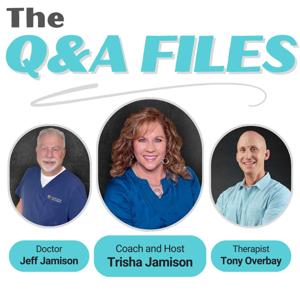
The Q&A Files drops A Wellness Explosion
💥 BOOM! Attention Wellness Warriors. The game changer you have been waiting for is finally here. Say hello to “The Q&A Files,” where…