
Sign up to save your podcasts
Or

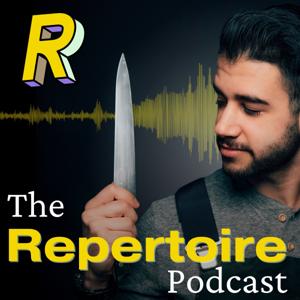


On this week's Repertoire Report, Justin Khanna and Ray Delucci dig into two Michelin controversies that have the industry talking. First, D Magazine alleges that Michelin's new Dallas entries in the Texas guide were written with AI. Michelin flatly denies it. Justin and Ray look at what the AI-detection tools found, why food writing feels so human, and what this could mean for a brand built on anonymous human inspectors. Then they head to Dubai, where the 2026 guide recognized restaurants that are currently closed. They ask whether Michelin can recommend a place no one can book, and whether the backlash holds up against the facts.From there, they highlight Fabrik, an Austin restaurant with a vegan tasting menu that just earned a Michelin star on a four-day week and a $105 price point. They follow up on two restaurants covered earlier on the show that have now closed: Punk Noir in Dallas and Minneapolis's Modern Times Cafe. They close with a deep dive into Id Est Hospitality, Kelly Whitaker's group behind The Wolf's Tailor, Bruto and Nonesuch. It's a model built on regenerative grain, sourcing it controls itself, and the idea that "18 seats can shift a community."
Links:
Michelin AI Controversy
Foodiva Instagram On Michelin's Dubai Guide
Fabrik (Austin Restaurant)
Punk Noir Closure
Id Est Hospitality
TPC French Laundry
TPC Emeril's
💬 Notice something we missed?If you come across something we had to search for, send us a message—we're always looking to make these show notes even better.
💌 The Repertoire NewsletterSubscribe here
🎙 Share the PodcastListen & Share
📸 InstagramFollow @joinrepertoire
Disclaimer: We earn commission income from qualifying purchases made through Amazon's Affiliate Program and other affiliate links in this description.
🙏 Thank you for listening!
🎙️ Enjoy More from Repertoire
On this episode of The Repertoire Report, Ray Delucci starts with a rant about recipes and why they matter so much to a food business. He makes the case that well-written, tested recipes are the base of consistency, efficiency and profit in any kitchen. He explains how to write them so they actually work: list ingredients in the order they're used, write for someone with basic cooking knowledge, and treat your recipe book as the kitchen's Bible. He also pushes back on the chef culture that sees recipes as a weakness, especially as restaurants face a tough market heading into 2027.Then Ray turns to the week's biggest industry news. Uber is buying ezCater for $2.3 billion, and he looks at what that means for restaurants and B2B catering. Starbucks is reportedly considering a Chipotle acquisition, which would be the biggest deal in restaurant history. Cheap direct-to-consumer brands are changing the caviar market. He closes with three quick hits: AI startup Bites taking on DoorDash, a former Top Chef contestant who blames tariffs for closing his Portland steakhouse, and Chick-fil-A saying no to AI in its drive-thrus.
Links:
UberEats Acquires ezCater
UberEats Acquisition Analysis
Starbucks eyeing Chipotle
D2C Caviar
AI Threatens Food Delivery
Tariffs Sink A Restaurant
Chick Fil A Says "No" To AI
💬 Notice something we missed?If you come across something we had to search for, send us a message—we're always looking to make these show notes even better.
💌 The Repertoire NewsletterSubscribe here
🎙 Share the PodcastListen & Share
📸 InstagramFollow @joinrepertoire
Disclaimer: We earn commission income from qualifying purchases made through Amazon's Affiliate Program and other affiliate links in this description.
🙏 Thank you for listening!
🎙️ Enjoy More from Repertoire
*Edit Note: Around 29:04, the video is cut for a minute due to a technical error. The video will resume after a minute.
Wonder wants to own every part of how you get dinner: restaurant brands, kitchens, ordering, delivery, meal kits, food media, and now robotics. On this Repertoire Report, Ray Delucci walks Justin Khanna through what Wonder is today. They cover 25+ chef-licensed concepts under one roof, deals for Blue Apron, Grubhub, Tastemade, Spyce and Salt Hank's, a $9B valuation, and a new investment from DoorDash. Then they ask whether diners actually want this. Justin also visits a Wonder location in New York's East Village to see the in-person experience for himself.After that, they get into the other news reshaping food. Airbnb is pushing meal delivery and social trip-sharing. DoorDash announced drone delivery, text-to-order and DashOS. AI personal assistants are now booking reservations for your guests, and AI-generated food photos are backfiring on restaurants. They close with chef-driven casual concepts like Herd, H Valley and Daniel Humm's Homme, which are bringing Michelin-level standards to more people.
Links:
💬 Notice something we missed?If you come across something we had to search for, send us a message—we're always looking to make these show notes even better.
💌 The Repertoire NewsletterSubscribe here
🎙 Share the PodcastListen & Share
📸 InstagramFollow @joinrepertoire
Disclaimer: We earn commission income from qualifying purchases made through Amazon's Affiliate Program and other affiliate links in this description.
🙏 Thank you for listening!
🎙️ Enjoy More from Repertoire
Why does money scare chefs? On this solo episode of the Repertoire Report, Ray Delucci argues that kitchen culture has taught a generation of cooks to fear money. He looks at why "follow your passion, the money will follow" is bad career advice, and why chefs should stop feeling guilty about side gigs, private chef work, food development and brand deals. Ray also covers a Substack by Furquan Mirza on why there are no career maps for chefs beyond the restaurant, and shares practical tips on applying for jobs you don't think you're qualified for.Then we get into the news. We look at how Burger King chef Amy Alarcon revamped the Whopper to overtake Wendy's, and the Wall Street Journal's report on why "What's for dinner?" has become America's most dreaded question. We close with Daniel Humm of Eleven Madison Park launching Riff, a shelf-stable pasta meal kit, and ask whether that's selling out or smart business. If you work in hospitality, cook for a living or want to build a food career outside the kitchen, this one's for you.
Links:
No Career Map for Chefs
The Corporate Chef Saving Burger King (Wall Street Journal)
What’s for Dinner? (Wall Street Journal)
Cook to Chef to Entrepreneur
Daniel Humm Launches ‘Riff’ (Forbes)
💬 Notice something we missed?If you come across something we had to search for, send us a message—we're always looking to make these show notes even better.
💌 The Repertoire NewsletterSubscribe here
🎙 Share the PodcastListen & Share
📸 InstagramFollow @joinrepertoire
Disclaimer: We earn commission income from qualifying purchases made through Amazon's Affiliate Program and other affiliate links in this description.
🙏 Thank you for listening!
🎙️ Enjoy More from Repertoire
Is fine dining really dead—or is the restaurant industry simply changing? In this episode, Justin and Ray break down the evolving definition of fine dining, what chefs actually think about today’s biggest food and beverage trends, and the New York Times’ 2026 list of America’s best restaurants. They also discuss Dominique Crenn’s move to Melbourne and what it says about the increasingly global nature of high-end dining.Plus, we get into one of the most important conversations for working chefs: how to approach salary and title negotiations without underselling yourself. We also look at Danny Meyer’s latest thoughts on hospitality and what the legendary restaurateur believes the industry still gets wrong—and right—about taking care of people.
Fine Dining Is Dead
Ask Chefs About Food Trends (New York Times)
New York Times Best Restaurants in America 2026
Dominique Crenn Moves to Melbourne
Salary Discussion Advice (Reddit)
Danny Meyer Book Launch (New York Times)
💬 Notice something we missed?If you come across something we had to search for, send us a message—we're always looking to make these show notes even better.
💌 The Repertoire NewsletterSubscribe here
🎙 Share the PodcastListen & Share
📸 InstagramFollow @joinrepertoire
Disclaimer: We earn commission income from qualifying purchases made through Amazon's Affiliate Program and other affiliate links in this description.
🙏 Thank you for listening!
🎙️ Enjoy More from Repertoire
Ray Delucci tackles imposter syndrome head-on — why the restaurant industry bakes it in, how "paying dues" culture holds talented cooks back, and what it cost him personally as a 21-year-old restaurant manager convinced he'd be fired any day. It's a direct response to a 22-year-old sous chef's Reddit post, and a case for why confidence, not ego, is one of the most valuable tools you can have in a kitchen.Then: The Wall Street Journal reports that McDonald's, Burger King, and Wendy's are pivoting back to human hospitality after years of kiosks and app ordering. Food & Wine profiles Victor Vasquez, the Mr. Tuna prep cook working two kitchens five days a week that diners never see. And the meal kit industry unravels as supplier Fresh Realm's bankruptcy leaves Blue Apron and Marley Spoon customers with half-empty boxes.
Imposter Syndrome as a Sous Chef
Fast Food Is Relying on Humans Again (Wall Street Journal)
Restaurant Workers Go Unnoticed
Meal Kit Industry Disruption (Wall Street Journal)
💬 Notice something we missed?If you come across something we had to search for, send us a message—we're always looking to make these show notes even better.
💌 The Repertoire NewsletterSubscribe here
🎙 Share the PodcastListen & Share
📸 InstagramFollow @joinrepertoire
Disclaimer: We earn commission income from qualifying purchases made through Amazon's Affiliate Program and other affiliate links in this description.
🙏 Thank you for listening!
🎙️ Enjoy More from Repertoire
Interested in Chef Tech Stack?Learn more here.
Want 1-on-1 Coaching with Repertoire?Apply here.
Justin Khanna and Ray Delucci break down the week in food and restaurant news, starting with Michelin's new Southwest Guide — a surprisingly conservative debut that returned to Las Vegas after 17 years and handed Utah its very first star. They dig deep into Monte, the 14-month-old Salt Lake City tasting menu restaurant run by a husband-and-wife team who sold their house and cars to make it happen, and what its success says about the myth that Michelin is pay-to-play and coastal-only.From there, the guys look at how status symbols are shifting from expensive objects to hard-to-get hospitality souvenirs, unpack a viral JP Morgan grocery inflation warning that's less alarming than the headlines suggest, examine John's Food & Wine — Food & Wine's 2026 Restaurant of the Year — and its 18% margin, no-tipping, $70K-dishwasher model, and close with Joshua Weissman's new fried chicken concept Ben & Lynn's and whether a creator can actually run a restaurant.
Michelin Guide Southwest Debut
Status Symbol in Restaurants
JPMorgan’s Food Crisis Warning
John’s Food & Wine Win
Joshua Weissman’s Restaurant Opening
Apply for Coaching with Repertoire
💬 Notice something we missed?If you come across something we had to search for, send us a message—we're always looking to make these show notes even better.
💌 The Repertoire NewsletterSubscribe here
🎙 Share the PodcastListen & Share
📸 InstagramFollow @joinrepertoire
Disclaimer: We earn commission income from qualifying purchases made through Amazon's Affiliate Program and other affiliate links in this description.
🙏 Thank you for listening!
🎙️ Enjoy More from Repertoire
Apply for Coaching with Repertoire
Written version of this episode on the Repertoire blog
My episode on “Cook to Chef” from 2019
7shifts FREE 2026 Industry Report
Reps Series of Skill Exercises from Repertoire
Episode with Chris Spear
Sorcerer’s Apprentice book by Lisa Abend
The E-Myth Revisited book by Michael Gerber
Useful, Not True book by Derek Sivers
Seth Godin’s Freelancer Post
Balaji’s Founder vs Inheritor Model
Tim Ferriss and Michael Mauboussin (where he shares the Greg Northcraft quote)
What is the difference between a cook and a chef? When can you call yourself a chef? How long does it take to go from line cook to chef? And how do you go from chef to restaurant owner?Difference between a cook and a chef: A cook works with food. A chef works with food AND owns responsibility. Not a culinary degree, not a title given by someone else, not a number of years.When can you call yourself a chef? The moment you're responsible for elements that orbit around food. Even if you've only been in the industry for four months. Cook to chef happens fast.Is a line cook a chef? In my definition, if they own responsibility, yes. If you're running your station like your own a microcosm of a restaurant, you already are one. "I'm just a cook" is not serving you."A cook knows how, a chef knows why." Ask a line cook a few why-questions about their station and see how much they know. There are more chefs than we think."Every chef is a cook, but not every cook is a chef." True, and this episode explains exactly where the line is and why fast food and chain kitchens deliberately keep cooks on the other side of it.How long does it take to become a chef? Shorter than you think. The years come after, when you're building your repertoire as a chef.Chef to restaurant owner, private chef, pop-up, or food business: An entrepreneur has responsibilities beyond food AND asymmetric upside. Why the business side (marketing, financials, hiring, operations, negotiation) feels like a step backward, and how to build these skills the same way you built your kitchen skills.
Interested in Chef Tech Stack?Learn more here.
Want 1-on-1 Coaching with Repertoire?Apply here.
The restaurant industry is changing faster than most operators can react — and this week Ray goes solo on four stories that show exactly where it's headed.First, a Wall Street Journal piece on chefs, plumbers, and contractors turning client work into media companies. Private chef Olivia Tiedemann went from a couple thousand Instagram followers to 4.3 million in three months, and she's not an outlier — 73% of small business owners now identify as content creators. Ray makes the case that the "pay your dues first" mindset is costing people years of earning power they'll never get back.Then, The Economist on why the restaurant business is unrecognizable: Thursday has overtaken Friday as the peak dining night, three of every four American restaurant meals are now consumed off-premise, 42% of US food outlets were unprofitable last year, and the pandemic push into apps and delivery drove a 15% jump in labor productivity after thirty years of flat. Plus a look at Osteria 166 in Buffalo, where the owner killed his à la carte dining room and cut the average check by 25%.Third, the National Restaurant Association's 2026 Beverage Trends report — 87% of full-service operators say drinks now drive traffic, and Ray argues the real story is social, not liquid: the forty-minute drive-thru line is the hangout.Finally, a new Gallup poll putting GLP-1 use at 11–12% of American adults, up from 3% in 2024. Chipotle, Smoothie King, and Shake Shack are already building menus around it — and GLP-1 users are buying from restaurants more often than non-users, not less.Repertoire Report is a weekly hospitality industry news show from Justin Khanna and Ray Delucci. Links to every story are below.🎧 At 2,500 YouTube subscribers, we're doing a listener Q&A — we're about 290 away. Subscribe and drop your question in the comments.Photo Credit: Photography by Chris Buck for WSJ. Magazine (Edited)
Links:
Chef Content Creators (Wall Street Journal)
The Restaurant Business Is Changing Beyond Recognition (The Economist)
Beverages as a Growth Driver for Restaurants (Nation's Restaurant News)
Restaurants Adapt to GLP-1 Drugs (ABC News)
💬 Notice something we missed?If you come across something we had to search for, send us a message—we're always looking to make these show notes even better.
💌 The Repertoire NewsletterSubscribe here
🎙 Share the PodcastListen & Share
📸 InstagramFollow @joinrepertoire
Disclaimer: We earn commission income from qualifying purchases made through Amazon's Affiliate Program and other affiliate links in this description.
🙏 Thank you for listening!
🎙️ Enjoy More from Repertoire
Noma is back in Copenhagen — and this time with a new leadership structure, a creative-director role for René Redzepi, and a menu format that scraps the old three-season model for 12 microseasons. Justin and Ray dig into what the reopening actually signals for the industry: whether the Wall Street Journal's "controversial celebrity chef" framing does a disservice to the team doing the work, why Noma still doesn't appear anywhere in the Michelin Guide, and what a genuine redemption arc would have to look like from the inside.From there, the conversation turns to money. The story of Chef Seth Stowaway and Osito — a Michelin-starred restaurant with great food, great intentions, and bounced paychecks — anchors a hard look at why culinary talent without financial literacy keeps producing the same outcome. Also on the docket: André Chiang's 1887 in Singapore earning two Michelin stars in five months (and Michelin publicly explaining why), restaurants stretching Michelin branding to locations that never earned it, Firstborn and Vinfolk rethinking menu pricing, the James Beard Foundation's $4 million host-city ask, and luxury real estate developers courting chefs.
Links:
Noma Is Back (Wall Street Journal)
1887 by André Michelin Review
Vin Folk Bistro
Seth Stowaway Financial Issues (San Francisco Chronicle)
Luxury Real Estate x Restaurants
Reddit Michelin Thread
Interested in Chef Tech Stack?Learn more here.
Want 1-on-1 Coaching with Repertoire?Apply here.
💬 Notice something we missed?If you come across something we had to search for, send us a message—we're always looking to make these show notes even better.
💌 The Repertoire NewsletterSubscribe here
🎙 Share the PodcastListen & Share
📸 InstagramFollow @joinrepertoire
Disclaimer: We earn commission income from qualifying purchases made through Amazon's Affiliate Program and other affiliate links in this description.
🙏 Thank you for listening!
🎙️ Enjoy More from Repertoire
From the publisher's feed

43,827 Listeners

227,392 Listeners

152,851 Listeners

3,650 Listeners

2,999 Listeners
13,049 Listeners

87,155 Listeners

111,831 Listeners

279 Listeners
8,359 Listeners
330 Listeners

146 Listeners

10,671 Listeners
136 Listeners
28 Listeners