
Sign up to save your podcasts
Or

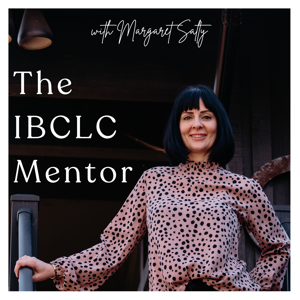

In this episode of Behind the Latch, Margaret Salty dives into the latest research articles from her Google Scholar alerts, exploring how recent findings can enhance the practice of IBCLCs. Margaret breaks down complex research into actionable strategies for lactation consultants, focusing on how these insights can improve breastfeeding outcomes. Whether you're a seasoned IBCLC or just starting your journey, these episodes will keep you at the forefront of evidence-based lactation care.
Key Points Covered:
Effect of an Oral Stimulation Protocol on Breastfeeding Among Preterm Infants: A Randomized Controlled Trial
Margaret reviews this study by Jayapradha et al. (2024), which examines how a modified oral stimulation protocol significantly improves exclusive breastfeeding rates and feeding skills in preterm infants. She discusses the implications for NICU practices and actionable insights for empowering families through hands-on support.
Reference:
Jayapradha, G., Venkatesh, L., Amboiram, P., & Balasubramanium, R. K. (2024). Effect of an oral stimulation protocol on breastfeeding among preterm infants: A randomized controlled trial. Archives of Disease in Childhood – Fetal and Neonatal Edition. https://doi.org/10.1136/archdischild-2024-327494
Implementing a Colostrum-Kit Reduces the Time to First Colostrum for Neonates Admitted to the NICU
This study by Hellström et al. (2024) explores how introducing a colostrum-kit in NICUs can reduce the time to first colostrum for neonates, significantly improving outcomes for preterm and term infants. Margaret discusses the importance of empowering parents and the potential for widespread adoption of this low-cost intervention.
Reference:
Hellström, S., Linden, K., Sengpiel, V., & Elfvin, A. (2024). Implementing a colostrum-kit reduces the time to first colostrum for neonates admitted to the NICU: A retrospective observational study. International Breastfeeding Journal, 19(77). https://doi.org/10.1186/s13006-024-00682-5
The Association Between Maternal Stress and Human Milk Concentrations of Cortisol and Prolactin
Margaret examines this study by Matyas et al. (2024), which highlights how maternal stress affects hormonal composition in breast milk, with implications for infant development. She provides actionable strategies for reducing stress to optimize milk production and maternal well-being.
Reference:
Matyas, M., et al. (2024). The association between maternal stress and human milk concentrations of cortisol and prolactin. Scientific Reports, 14(28115). https://doi.org/10.1038/s41598-024-75307-2
Practical Applications for IBCLCs:
Conclusion:
Staying updated with the latest research is essential for providing the best care as an IBCLC. By integrating evidence-based strategies, you can enhance breastfeeding support and outcomes. Tune in each week as we explore more insights from the world of lactation science.
If you found this episode helpful, please subscribe to Behind the Latch and leave a review!
Connect with Me:
Have questions or suggestions for future episodes? Reach out at margaretsalty.com or connect with me on social media:
Credits:
Hosted by: Margaret Salty
Music by: The Magnifiers, "My Time Traveling Machine"
Hashtags and Keywords:
#IBCLC #LactationConsultant #BreastfeedingResearch #LactationMentor #EvidenceBasedPractice
 View all episodes
 By Margaret Salty
5
1515 ratings
In this episode of Behind the Latch, Margaret Salty dives into the latest research articles from her Google Scholar alerts, exploring how recent findings can enhance the practice of IBCLCs. Margaret breaks down complex research into actionable strategies for lactation consultants, focusing on how these insights can improve breastfeeding outcomes. Whether you're a seasoned IBCLC or just starting your journey, these episodes will keep you at the forefront of evidence-based lactation care.
Key Points Covered:
Effect of an Oral Stimulation Protocol on Breastfeeding Among Preterm Infants: A Randomized Controlled Trial
Margaret reviews this study by Jayapradha et al. (2024), which examines how a modified oral stimulation protocol significantly improves exclusive breastfeeding rates and feeding skills in preterm infants. She discusses the implications for NICU practices and actionable insights for empowering families through hands-on support.
Reference:
Jayapradha, G., Venkatesh, L., Amboiram, P., & Balasubramanium, R. K. (2024). Effect of an oral stimulation protocol on breastfeeding among preterm infants: A randomized controlled trial. Archives of Disease in Childhood – Fetal and Neonatal Edition. https://doi.org/10.1136/archdischild-2024-327494
Implementing a Colostrum-Kit Reduces the Time to First Colostrum for Neonates Admitted to the NICU
This study by Hellström et al. (2024) explores how introducing a colostrum-kit in NICUs can reduce the time to first colostrum for neonates, significantly improving outcomes for preterm and term infants. Margaret discusses the importance of empowering parents and the potential for widespread adoption of this low-cost intervention.
Reference:
Hellström, S., Linden, K., Sengpiel, V., & Elfvin, A. (2024). Implementing a colostrum-kit reduces the time to first colostrum for neonates admitted to the NICU: A retrospective observational study. International Breastfeeding Journal, 19(77). https://doi.org/10.1186/s13006-024-00682-5
The Association Between Maternal Stress and Human Milk Concentrations of Cortisol and Prolactin
Margaret examines this study by Matyas et al. (2024), which highlights how maternal stress affects hormonal composition in breast milk, with implications for infant development. She provides actionable strategies for reducing stress to optimize milk production and maternal well-being.
Reference:
Matyas, M., et al. (2024). The association between maternal stress and human milk concentrations of cortisol and prolactin. Scientific Reports, 14(28115). https://doi.org/10.1038/s41598-024-75307-2
Practical Applications for IBCLCs:
Conclusion:
Staying updated with the latest research is essential for providing the best care as an IBCLC. By integrating evidence-based strategies, you can enhance breastfeeding support and outcomes. Tune in each week as we explore more insights from the world of lactation science.
If you found this episode helpful, please subscribe to Behind the Latch and leave a review!
Connect with Me:
Have questions or suggestions for future episodes? Reach out at margaretsalty.com or connect with me on social media:
Credits:
Hosted by: Margaret Salty
Music by: The Magnifiers, "My Time Traveling Machine"
Hashtags and Keywords:
#IBCLC #LactationConsultant #BreastfeedingResearch #LactationMentor #EvidenceBasedPractice

91,297 Listeners
108 Listeners
67 Listeners

113,121 Listeners

56,944 Listeners
776 Listeners

8,876 Listeners
1,038 Listeners
114 Listeners
475 Listeners

58,365 Listeners
4,524 Listeners
94 Listeners
4 Listeners