
Sign up to save your podcasts
Or



George Frazier Monroe (c.1844-1886) was a renowned Black American stagecoach driver in the late 19th century. Known for his skill and daring he drove through the rugged terrain of Yosemite National Park. Born in California, Monroe became one of the most trusted stage drivers for the Wells Fargo Company, guiding visitors, including prominent figures like President Ulysses S. Grant, through the perilous mountain roads leading to Yosemite Valley. His mastery of handling horses and navigating treacherous paths made him a legend among travelers. Despite racial barriers of the time, Monroe gained widespread respect for his expertise and professionalism. His contributions helped shape early tourism in Yosemite, ensuring safe passage for countless visitors. Monroe’s legacy remains an important part of Yosemite’s history, highlighting the often-overlooked role of Black Americans in the development of the American West and the early national parks system.
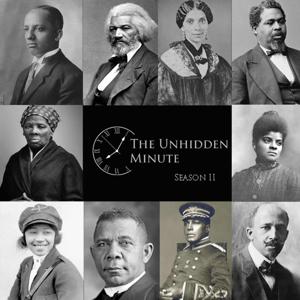
The Joy Trip Project celebrates the enduring legacy of Black American History. The Unhidden Minute is part of the Unhidden Podcast Project supported through a National Geographic Explorer Grant from the National Geographic Society, with the cooperation of the National Park Service. This series elevates the untold stories of Black American historical figures, events and cultural contributions.
#unhiddenblackhistory #NationalParkService #yourparkstory #NationalGeographic #unhiddenminute
On June 2, 1863, Harriet Tubman led a daring raid along the Combahee River in South Carolina, becoming the first woman to plan and execute a military operation in U.S. history. Working alongside Union Colonel James Montgomery, Tubman and a group of Black Union soldiers used intelligence gathered from enslaved people to navigate the river and launch a surprise attack on Confederate plantations.
Union gunboats, guided by Tubman, destroyed Confederate supply lines and torched plantations, dealing a major blow to the Southern war effort. Most importantly, the raid freed more than 750 enslaved people, many of whom joined the Union Army. Tubman’s leadership and strategic brilliance cemented her legacy not just as a conductor of the Underground Railroad but as a wartime hero.
In recognition for her military service, in 2024 Tubman was posthumously awarded the rank of one-star brigadier general in the Maryland National Guard.
The Joy Trip Project celebrates American history with the stories remarkable features of our past that are too often forgotten. The Unhidden Minute is part of the Unhidden Podcast Project supported through a National Geographic Explorer Grant from the National Geographic Society, with the cooperation of the National Park Service. This series elevates the untold stories of men and women who helped to shape the progress of our nation.
#unhiddenblackhistory #NationalParkService #yourparkstory #NationalGeographic #unhiddenminute
Become a paid subscriber to the Unhidden Minute Podcast for one year and receive a copy The Adventure Gap: Changing the Face of the Outdoors 10th Anniversary Edition by James Edward Mills.
Private Gordon, an enslaved man who escaped to became one of the most iconic figures of the Civil War. Photographs of his severely scarred back were published in 1863. Born into slavery in Louisiana, Gordon endured brutal treatment from his enslavers. In March 1863, he escaped a plantation, traveling ten days through treacherous terrain to reach Union lines in Baton Rouge.
Once there, Gordon enlisted in the Union Army, joining the United States Colored Troops (USCT). Before his service, Union doctors photographed his back, which bore deep scars from severe whippings. These images, widely circulated in Harper’s Weekly, exposed the brutal realities of slavery to the public and strengthened abolitionist sentiment in the North.
Gordon’s story represents the resilience of Black Americans who fought for freedom and contributed to the Union cause. His sacrifice remains a powerful testament to the horrors of slavery and the fight for justice.
The Joy Trip Project celebrates the enduring legacy of Black American History. The Unhidden Minute is part of the Unhidden Podcast Project supported through a National Geographic Explorer Grant from the National Geographic Society, with the cooperation of the National Park Service. This series elevates the untold stories of Black American historical figures, events and cultural contributions.
#unhiddenblackhistory #NationalParkService #yourparkstory #NationalGeographic #unhiddenminute
Susie King Taylor was the first Black American nurse in the Civil War and a pioneering educator. Born into slavery in Georgia in 1848, she defied the law by secretly learning to read and write. When Union troops occupied St. Simons Island in 1862, she escaped to freedom and joined the 1st South Carolina Volunteer Infantry, an all-Black regiment.
Taylor served as a nurse, laundress, and educator, teaching soldiers to read and write while also tending to the wounded. Despite her invaluable contributions, she never received official compensation for her wartime service. After the war, she opened schools for formerly enslaved people and later wrote Reminiscences of My Life in Camp, one of the few firsthand accounts by a Black woman about the Civil War.
Her legacy as a nurse, teacher, and advocate for Black education and veterans’ rights remains an inspiration in American history.
The Joy Trip Project celebrates the enduring legacy of Black American History. The Unhidden Minute is part of the Unhidden Podcast Project supported through a National Geographic Explorer Grant from the National Geographic Society, with the cooperation of the National Park Service. This series elevates the untold stories of Black American historical figures, events and cultural contributions.
#unhiddenblackhistory #NationalParkService #yourparkstory #NationalGeographic #unhiddenminute
Major Martin Delany (1812-1885) was a pioneering Black American abolitionist, physician, and military officer. Born in 1812 in Charles Town, Virginia (now West Virginia), he became one of the first Black students admitted to Harvard Medical School, though racist opposition forced him to leave. A staunch advocate for Black self-sufficiency, he co-edited The North Star with Frederick Douglass and later promoted Black American emigration.
During the Civil War, Delany was commissioned as the first Black major in the U.S. Army, personally appointed by President Abraham Lincoln in 1865. He worked to recruit and lead Black troops, believing military service was key to Black American advancement. After the war, Delany remained politically active, fighting for civil rights and Reconstruction efforts. Though his views on Black nationalism were controversial, Delany’s leadership, intellect, and activism made him a crucial figure in Black American history and the struggle for equality.
The Joy Trip Project celebrates the enduring legacy of Black American History. The Unhidden Minute is part of the Unhidden Podcast Project supported through a National Geographic Explorer Grant from the National Geographic Society, with the cooperation of the National Park Service. This series elevates the untold stories of Black American historical figures, events and cultural contributions.
#unhiddenblackhistory #NationalParkService #yourparkstory #NationalGeographic #unhiddenminute
Lewis Henry Douglass (1840-1908), the eldest son of Frederick Douglass, was a sergeant in the 54th Massachusetts Infantry, the first Black American regiment raised in the North during the Civil War. On July 18, 1863, he fought in the assault on Fort Wagner, a heavily fortified Confederate stronghold in South Carolina. The 54th led the charge under intense enemy fire, suffering heavy casualties. Douglass, serving as a standard-bearer, displayed immense bravery as he carried the regiment’s flag amid the chaos. Though the attack ultimately failed, and many soldiers, including Colonel Robert Gould Shaw, were killed, the regiment’s courage helped dispel doubts about Black soldiers’ ability to fight. In a letter to his fiancée, Douglass described the battle’s horrors and the heroism of his comrades. “Remember if I die,” we wrote, “I die in a good cause. I wish we had a hundred thousand colored troops. We would put an end to this war.” Through his sacrifice and the service of his fellow soldiers, that is exactly what happened.
The Joy Trip Project celebrates the enduring legacy of Black American History. The Unhidden Minute is part of the Unhidden Podcast Project supported through a National Geographic Explorer Grant from the National Geographic Society, with the cooperation of the National Park Service. This series elevates the untold stories of Black American historical figures, events and cultural contributions.
#unhiddenblackhistory #NationalParkService #yourparkstory #NationalGeographic #unhiddenminute
Dangerfield Newby (1815–1859) was an enslaved man who joined John Brown’s raid on Harpers Ferry in an attempt to free his wife and children from slavery. Born in Virginia to an enslaved mother and a white father, Newby was later freed, but his wife and children remained in bondage. Despite his efforts to buy their freedom, their enslaver refused.
Desperate to rescue his family, Newby joined John Brown’s abolitionist raid on the armory at Harpers Ferry in October 1859. During the attack, he was among the first of Brown’s men killed, struck down by local militia. His body was mutilated, and his ears were cut off as trophies.
Letters from his wife, pleading for his help, were found on his body, highlighting the personal stakes of the raid. Just two years before the outbreak of the American Civil War, Newby’s tragic story symbolizes the deep personal sacrifices made in the fight against slavery and the human cost to those seeking freedom.
The Joy Trip Project celebrates the enduring legacy of Black American History. The Unhidden Minute is part of the Unhidden Podcast Project supported through a National Geographic Explorer Grant from the National Geographic Society, with the cooperation of the National Park Service. This series elevates the untold stories of Black American historical figures, events and cultural contributions.
#unhiddenblackhistory #NationalParkService #yourparkstory #NationalGeographic #unhiddenminute
Become a paid subscriber to the Unhidden Minute Podcast for one year and receive a free copy of The Adventure Gap: Changing the Face of the Outdoors 10th Anniversary Edition by James Edward Mills.
1 Restack
Clara Brown (1800–1885) was a formerly enslaved woman who became a successful entrepreneur, philanthropist, and community leader in Colorado. Born into slavery in Virginia, she was separated from her family when she was sold at auction. Brown gained her freedom in 1856 upon the death of her owner who release her from bondage in his will. She traveled west during the Gold Rush, working as a cook, laundress, and midwife in Colorado’s mining camps.
Brown amassed wealth through real estate and business investments, using her resources to support formerly enslaved people, build schools and churches, and assist Black settlers in the West. Despite her own hardships, including never finding her lost family, she remained committed to helping others.
Known as the "Angel of the Rockies," Brown's legacy is one of resilience, generosity, and entrepreneurial spirit. Her contributions to Colorado’s Black community were widely recognized, and she was posthumously inducted into the Colorado Women’s Hall of Fame, cementing her place in history.
The Joy Trip Project celebrates the enduring legacy of Black American History. The Unhidden Minute is part of the Unhidden Podcast Project supported through a National Geographic Explorer Grant from the National Geographic Society, with the cooperation of the National Park Service. This series elevates the untold stories of Black American historical figures, events and cultural contributions.
#unhiddenblackhistory #NationalParkService #yourparkstory #NationalGeographic #unhiddenminute
Hercules Posey was an enslaved chef for George Washington and one of the earliest influencers of American cuisine. Born around 1754, he became Washington’s head cook at Mount Vernon and later in the presidential household in Philadelphia. Known for his culinary skill, Hercules prepared elaborate meals blending European techniques with African and American ingredients, helping to shape what would become American cuisine.
Hercules had a privileged position among the enslaved, even earning money by selling kitchen leftovers, but he remained determined to secure his freedom. On Washington’s birthday in 1797, he escaped from Mount Vernon and was never recaptured.
His contributions to American cuisine are significant, as his cooking influenced the tastes of early America’s elite. Though much of his life remains a mystery, Hercules’ legacy endures as an example of skill, resistance, and the deep-rooted influence of Black chefs in shaping American food culture.
The Joy Trip Project celebrates Black History Month.
The Unhidden Minute is part of the Unhidden Podcast Project supported through a National Geographic Explorer Grant from the National Geographic Society, with the cooperation of the National Park Service. This series aims to elevate the untold stories of Black American history.
#unhiddenblackhistory #NationalParkService #yourparkstory #NationalGeographic #unhiddenminute
Become a paid subscriber to the Unhidden Minute Podcast for one year and receive a copy The Adventure Gap: Changing the Face of the Outdoors 10th Anniversary Edition by James Edward Mills.
Oney Judge was an enslaved woman who served as Martha Washington’s personal maid before escaping to freedom. Born around 1773 at Mount Vernon, she was of mixed African and English ancestry. When George Washington became the first U.S. president, Oney was taken to serve in his presidential households in New York and later in Philadelphia.
In 1796, upon learning she was to be given as a wedding gift to Martha Washington’s granddaughter, Oney fled to Portsmouth, New Hampshire. Despite repeated attempts by Washington to recapture her, she remained free, aided by the local abolitionist community. In later interviews, she made it clear that her escape was a deliberate act to avoid a lifetime of enslavement.
Oney Judge lived in poverty but valued her freedom above all else. She died in 1848, leaving behind a legacy as one of the earliest known enslaved women to successfully escape and speak publicly about her experience.
The Joy Trip Project celebrates Black History Month.
The Unhidden Minute is part of the Unhidden Podcast Project supported through a National Geographic Explorer Grant from the National Geographic Society, with the cooperation of the National Park Service. This series aims to elevate the untold stories of Black American history.
#unhiddenblackhistory #NationalParkService #yourparkstory #NationalGeographic #unhiddenminute
Become a paid subscriber to the Unhidden Minute Podcast for one year and receive a copy The Adventure Gap: Changing the Face of the Outdoors 10th Anniversary Edition by James Edward Mills.
From the publisher's feed