
Sign up to save your podcasts
Or

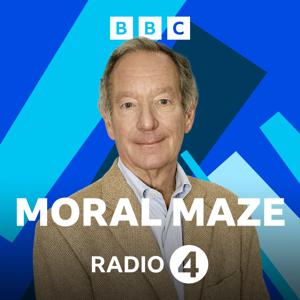

Britain has been heavily criticised by the United Nations expert on extreme poverty and human rights, over what he describes as its “draconian” benefits sanctions. Philip Alston has taken a 12-day tour of some of the most deprived areas of the UK and he is not impressed with what he has seen. Quoting the philosopher Thomas Hobbes, he says that current government policies are condemning the most destitute to lives which are “solitary, poor, nasty, brutish and short”. Poverty campaigners are hailing Professor Alston’s intervention, while others not only dispute his politically incendiary conclusions, but are furious that he has been allowed to advance them on behalf of the United Nations. Why shouldn’t an outside organisation be allowed to investigate poverty in Britain? This calls into question the wider purpose of the UN, which rose from the ashes of the Second World War. Is it living up to its founding mandate to make the world a better, more peaceful place? Supporters praise its commitment to the welfare of all of humanity, affirmed in statements like the Universal Declaration Of Human Rights and the Sustainable Development Goals. They are happy to report that – globally – we’re winning the war on poverty and disease and we’re sending more boys and girls to school. But the UN also has its critics, who do not see it as a cohesive body with a unifying sense of moral purpose. They point out that the Security Council is deadlocked and impotent in the face of any major conflicts in which permanent members have a stake, and they see rising prosperity principally as an achievement of global capitalism. What, then, is the point of the United Nations and does it still have a moral role in the world?
Producer: Dan Tierney
 View all episodes
 By BBC Radio 4

4.6
5151 ratings
Britain has been heavily criticised by the United Nations expert on extreme poverty and human rights, over what he describes as its “draconian” benefits sanctions. Philip Alston has taken a 12-day tour of some of the most deprived areas of the UK and he is not impressed with what he has seen. Quoting the philosopher Thomas Hobbes, he says that current government policies are condemning the most destitute to lives which are “solitary, poor, nasty, brutish and short”. Poverty campaigners are hailing Professor Alston’s intervention, while others not only dispute his politically incendiary conclusions, but are furious that he has been allowed to advance them on behalf of the United Nations. Why shouldn’t an outside organisation be allowed to investigate poverty in Britain? This calls into question the wider purpose of the UN, which rose from the ashes of the Second World War. Is it living up to its founding mandate to make the world a better, more peaceful place? Supporters praise its commitment to the welfare of all of humanity, affirmed in statements like the Universal Declaration Of Human Rights and the Sustainable Development Goals. They are happy to report that – globally – we’re winning the war on poverty and disease and we’re sending more boys and girls to school. But the UN also has its critics, who do not see it as a cohesive body with a unifying sense of moral purpose. They point out that the Security Council is deadlocked and impotent in the face of any major conflicts in which permanent members have a stake, and they see rising prosperity principally as an achievement of global capitalism. What, then, is the point of the United Nations and does it still have a moral role in the world?
Producer: Dan Tierney

7,913 Listeners

863 Listeners

1,067 Listeners
159 Listeners

5,576 Listeners

1,808 Listeners

1,729 Listeners

1,018 Listeners
2,113 Listeners

1,952 Listeners
32 Listeners
38 Listeners

428 Listeners
159 Listeners
43 Listeners
75 Listeners
108 Listeners
745 Listeners

3,245 Listeners

779 Listeners

1,010 Listeners

3,858 Listeners

1,314 Listeners
851 Listeners
48 Listeners