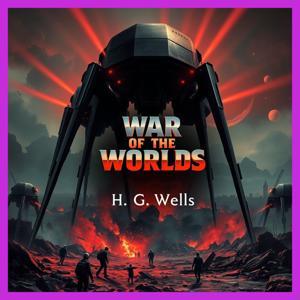
H. G. Wells' "The War of the Worlds," written in 1898, remains a compelling exploration of humanity's vulnerabilities in the face of external threats, particularly through its portrayal of a Martian invasion that serves as a metaphor for colonialism and the darker aspects of human nature. The narrative, delivered by an English gentleman, captures the chaotic and terrifying experience of a society under siege from gigantic, tripod machines, echoing contemporary anxieties about technological advancements and the potential for destruction. The themes of ignorance, vanity, and societal critique resonate deeply today, reminding listeners of the perils of underestimating both our own flaws and the consequences of imperial ambitions. With its vivid imagery and prescient ideas about warfare and technology, Wells' novel has not only influenced countless adaptations but continues to serve as a cautionary tale about the fragility of civilization and the moral dilemmas inherent in humanity's quest for progress.