
Sign up to save your podcasts
Or

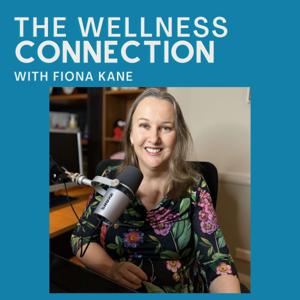


Fiona Kane dives into how politics, culture, and censorship have reshaped the way we talk about health. She shares her personal reaction to seeing iconic voices shift their stance, why the pandemic years opened her eyes, and how regulators and activist-driven policies are affecting medical professionals today.
Fiona explains why open debate matters in science, why silencing dissent is dangerous, and how standards of care can drift when ideology replaces evidence. She also revisits high-profile examples involving doctors, regulators, and the rise of activist-edited guidelines.
Topics Covered in This Episode
How cultural gatekeepers changed during and after COVID
Why the treatment of public figures sparked Fiona’s concerns
The shift from “rage against the machine” to enforcing the machine
Fiona’s experience with community division during the pandemic
AHPRA’s long-running issues and cases that raised red flags
What happened to doctors who questioned nutrition or gender-affirming care
How modern standards of care were created and how they’ve changed
Why removing safeguards puts young people at risk
The importance of dissent and genuine scientific inquiry
Fiona closes the episode with a reminder that real health care needs open discussion, transparency, and a willingness to question systems that have drifted off course.
If this conversation gives you something to think about, don’t forget to like, subscribe, and share the episode.
Send us Fan Mail
Learn more about Fiona's speaking and media services: https://fionakane.com.au/
Credit for the music used in this podcast:
Fiona Kane shares eye-opening personal experiences that reveal how our bodies often send quiet warnings we miss. From a kidney infection without the usual pain to precancerous skin spots she almost overlooked, Fiona shows how subtle symptoms can escalate if ignored.
In this episode, she explains how back pain, abdominal discomfort, fatigue, and everyday changes can signal serious health issues. Fiona also shares practical tips for noticing these signs, carving out moments of awareness, and taking action before minor issues become major problems.
Topics Covered in This Episode:
- Unusual symptoms of urinary tract and kidney infections
- How back pain and abdominal discomfort can indicate underlying issues
- The importance of quiet moments to notice changes in your body
- Recognizing precancerous skin lesions and scheduling regular skin checks
- Avoiding “normalising” persistent symptoms
- Practical tips to stay aware of your health
Fiona encourages viewers to take a moment for themselves, notice any subtle changes in their body, and seek professional advice when needed.
Like, subscribe, share, and leave a review if this episode helps you or someone you care about stay healthier.
Send us Fan Mail
Learn more about Fiona's speaking and media services: https://fionakane.com.au/
Credit for the music used in this podcast:
In this episode of The Wellness Connection, Fiona Kane breaks down a new peer-reviewed study from Finland that tracked every gender-referred adolescent in the country for up to 25 years. The findings suggest that psychiatric needs didn’t improve after gender reassignment - they increased significantly. This is not surprising to those of us who have been paying close attention.
Fiona also talks openly about:
- Why context matters when discussing complex topics
- Her stance on gender ideology vs. individuals
- The personal impact these issues have had on her life
- How “being kind” can sometimes obscure real harm
- Key takeaways from Finland’s newly released research
- How this study connects to earlier findings, including the UK Cass Review
If you want to go deeper, watch Episodes 106 and 107 for more background.
Remember to like, subscribe, and share if you find this helpful.
Send us Fan Mail
Learn more about Fiona's speaking and media services: https://fionakane.com.au/
Credit for the music used in this podcast:
The Netflix series Inside the Manosphere has sparked a lot of conversation, and Louis Theroux’s take on this online world has brought even more attention to how extreme male influencers are shaping some young men. In this episode, we unpack why these voices are growing so quickly - and why young men are turning to them in the first place.
We look at the culture around modern masculinity, how audience rewards drive creators to become more extreme, and why some influencers mix genuine self-improvement advice with messages that spiral into hostility towards women. We also explore the bigger social context that often gets ignored - including what’s happening on the female-influencer side, the backlash around “toxic masculinity,” and why so many young men feel they’ve lost any clear sense of role or direction.
Topics we cover include:
• why certain influencers build massive followings by being controversial
• how paid groups, “courses” and investment schemes work behind the scenes
• why young men can be vulnerable to extreme voices
• how misogyny and misandry feed each other online
• what happens when traditional roles disappear without anything replacing them
• why balance and cooperation matter more than culture-war talking points
• how social platforms reward the most divisive personalities
If you’re trying to understand the manosphere - or why it’s suddenly everywhere - this episode offers a grounded and balanced look at the forces driving it, and how Louis Theroux’s documentary fits into the bigger picture.
If you find it helpful, like and subscribe for more conversations on culture, psychology and wellbeing.
Send us Fan Mail
Learn more about Fiona's speaking and media services: https://fionakane.com.au/
Credit for the music used in this podcast:
Vitamin B12 plays a major role in your energy, mood, memory, nerve health and red blood cell formation - yet B12 deficiency is one of the most overlooked health issues. The tricky part is that its symptoms often mimic other deficiencies, especially iron, which makes it easy to miss or misdiagnose.
In this episode, we break down seven clear signs you may be low in B12, how it affects your body and why testing matters more than guessing. You’ll also hear how B12 interacts with folate, why stomach acid is crucial for absorption and the common mistakes people make when trying to supplement on their own.
We cover:
• unexplained fatigue and low energy
• numbness, tingling and nerve issues
• unsteady legs or poor coordination
• memory problems and concentration issues
• brain fog and difficulty completing tasks
• anxiety, mood swings or low mood
• mouth ulcers, tongue changes and oral health problems
You’ll also learn about the most common causes of B12 deficiency, including vegan diets, low stomach acid, antacid medication, metformin, coeliac disease, Crohn’s disease, pancreatitis and age-related absorption issues.
If you’ve ever wondered whether your symptoms could be linked to B12 - or you’ve been diagnosed with “stress”, “anxiety” or “dementia-like symptoms” without a nutrient check - this episode gives you a clear starting point. A simple blood test can make all the difference.
If you find this helpful, please like, subscribe and share it with someone who might need it.
Send us Fan Mail
Learn more about Fiona's speaking and media services: https://fionakane.com.au/
Credit for the music used in this podcast:
Heart disease remains the leading cause of illness and death for women, yet the warning signs are often missed or dismissed. In this episode, we take a clear and practical look at how heart disease shows up differently in women, why it’s so often unrecognised and what you can do to protect your health.
You’ll learn about the major risk factors that affect women, including menopause, PCOS, pregnancy complications, oral contraceptives, anaemia and mental health, and how these increase your risk as you get older.
We also break down eight key signs of a heart attack in women, many of which are subtle or easy to confuse with stress, anxiety, reflux or fatigue.
Most importantly, you’ll hear why these symptoms can appear weeks before a major event and why it’s crucial not to brush them off or self-diagnose.
This is an episode every woman should hear, and one that could genuinely save a life. If you’re unsure about any symptoms, trust your instincts and seek medical help. It’s always better to check than to wait.
If you find this helpful, please share it with a friend and subscribe for more conversations on women’s health, mental wellbeing and the issues that shape our lives.
Send us Fan Mail
Learn more about Fiona's speaking and media services: https://fionakane.com.au/
Credit for the music used in this podcast:
Public debate feels more heated than ever, and this episode unpacks why.
We break down how political polarisation is shaping conversations about women’s rights, identity, free speech and global events, and why so many people now feel pressured to “pick a side” before they’ve even had a chance to think.
The discussion explores recent remarks from Grace Tame, including her comments about the 7 October events in Israel, and the reaction from both the public and political leaders like Anthony Albanese. It also highlights the growing silence from prominent feminist voices, especially when confronting difficult issues outside Australia.
We also take a close look at the situation in Iran, where women face extreme consequences for fighting for basic rights. The contrast between global activism and what’s happening on the ground exposes how selective outrage can become when politics enters the picture.
In this episode we dig into:
why so many public conversations turn combative
how identity politics is influencing schools, workplaces and media
what recent executions and crackdowns in Iran reveal about women’s rights worldwide
how Jewish communities in Australia are being affected by current rhetoric
the tension between safeguarding women and today’s gender politics
why honest discussion has become so rare
There’s also a look at the BBC decision to feature an 82-year-old male guest discussing misogyny on BBC Women's Hour, and what that says about how institutions are handling women's issues.
If you’re trying to make sense of the cultural shifts happening in Australia and beyond, this episode offers a grounded and thought-provoking perspective you won’t hear in mainstream conversation.
Send us Fan Mail
Learn more about Fiona's speaking and media services: https://fionakane.com.au/
Credit for the music used in this podcast:
Why do we trust celebrities, influencers, and so-called “experts” so easily?
In this episode of The Wellness Connection, Fiona Kane talks about celebrity influence and why it’s so easy to idolise influencers, actors, musicians and public figures without really questioning what they say.
From growing up influenced by music and movie stars to navigating today’s world of social media and online “experts”, Fiona reflects on how influencer culture shapes the way we think, spend, and make decisions.
She also explores how AI content, paid promotions, and online platforms have made it harder to tell who’s worth listening to and who simply sounds convincing.
This episode covers:
- why we idolise celebrities and influencers
- the risks of blindly following public figures
- how influencer culture shapes beliefs and behaviour
- the difference between expertise and popularity
- why some “gurus” aren’t what they seem
- how to think for yourself in a noisy online world
Fiona shares her own experiences of following well-known figures like Oprah Winfrey, Gwyneth Paltrow, and Meghan Markle, and how her perspective changed over time.
If you’ve ever questioned influencer advice or felt unsure about who to trust online, this episode offers a more grounded way to think through it.
Send us Fan Mail
Learn more about Fiona's speaking and media services: https://fionakane.com.au/
Credit for the music used in this podcast:
International Women’s Day should be a time to celebrate women, honour progress, and acknowledge the work still ahead. But today, Fiona Kane explores the uncomfortable truth: not all women are included anymore.
In this episode of The Wellness Connection, Fiona unpacks why International Women’s Day feels increasingly political, exclusionary, and inconsistent. She shares concerns about women’s safety, the erosion of women-only spaces, confusing health messaging, and how “inclusion” often seems to apply to everyone except women themselves.
Fiona also highlights the topics mainstream IWD discussions avoid - from women harmed in prisons and shelters, to women silenced for raising safety concerns, to global issues like female genital mutilation and the oppression of women in places like Iran and Afghanistan.
If you’ve ever felt that International Women’s Day has lost its meaning, or that the conversation now excludes the very people it claims to support, this episode offers an honest, grounded take.
In this episode, Fiona discusses:
• Why International Women’s Day feels politically one-sided
• The growing hypocrisy around “safety” and “inclusion”
• Why women’s spaces, sports, and events are no longer protected
• Confusing health messaging that avoids the word “women”
• Women worldwide who are ignored in IWD conversations
• The decline in honest conversations about violence against women
• Why questioning narratives matters for women’s health and wellbeing
If you care about women’s rights, real inclusion, and protecting all women, not just the politically convenient ones, this episode is worth listening to.
Send us Fan Mail
Learn more about Fiona's speaking and media services: https://fionakane.com.au/
Credit for the music used in this podcast:
In this episode, Fiona Kane shares her thoughts on the latest Iran vs US news and why so many people respond to world events through the lens of political polarization. She talks about the hope for positive change in Iran, how reactions from the United States and beyond often fall into predictable “teams,” and why it matters to step back and think for yourself.
Fiona also looks at how conversations about leaders like Donald Trump, COVID debates, and cultural issues turn into all-or-nothing arguments. She explains how tribalism, fear, and social pressure push people into fixed beliefs, making genuine discussion harder.
What you’ll hear in this episode:
- why people take instant sides when news breaks
- how political polarization distorts our understanding of global events
- how to question your own assumptions
- the value of listening to people you disagree with
- why nuance matters in politics, health, and everyday life
If you’re trying to make sense of the constant outrage cycle or want a calmer, clearer way to look at current events, this episode will give you space to think.
Send us Fan Mail
Learn more about Fiona's speaking and media services: https://fionakane.com.au/
Credit for the music used in this podcast:
From the publisher's feed
Real Conversations about things that Matter
All things life and health - physical health, nutrition, mindset, mental health, connection plus society, culture and a little politics with Fiona…