
Sign up to save your podcasts
Or

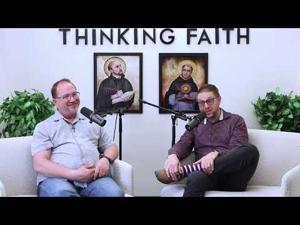


TF | S4 E04| Is Halloween compatible with Catholic faith? Should Catholics participate in trick-or-treating, costumes, and spooky traditions, or should Christians avoid Halloween altogether?
In this episode of Thinking Faith, Deacon Eric Gurash and guest host Brayden Kunz explore the Catholic roots of Halloween and its connection to All Saints’ Day and All Souls’ Day. They discuss common concerns about Halloween, the difference between harmless fun and genuinely problematic occult practices, and why participating in neighbourhood traditions can be an opportunity for community, connection, and faith.
Discover how Halloween can open the door to meaningful conversations about death, the communion of saints, prayer for the dead, and the Christian hope of resurrection. From traditional soul cakes and cemetery visits to saint costumes and Mexican sugar-skull traditions, Eric and Brayden share practical ways Catholic families can celebrate Halloween while keeping faith at the heart of the season.
Whether you love Halloween or have questions about its place in Catholic life, this conversation offers a thoughtful, balanced approach to celebrating All Hallows’ Eve without fear or superstition.
06:07 Can Catholics Celebrate
07:13 Halloween Costume Memories
11:08 Is Dressing Up Wrong
13:24 Occult and Superstition
18:24 Halloween Origins and All Saints
20:57 Laughing at Death
22:10 Kids Learn Through Play
23:39 Sugar Skulls and Hope
25:34 Saint Costumes and Spooky Saints
27:29 Talking About Death
29:20 Soul Cakes Tradition
33:01 Funerals and Family Conversations
35:55 Practical Faithful Ideas
39:19 Home Traditions and Cemetery Prayer
TF | S4 E03 | Do Catholics, Protestants, and Muslims worship the same God? What can our favourite biblical figures teach us about faith? And what should Catholics make of dreams about loved ones who have died? In this episode of *Thinking Faith*, Deacon Eric Gurash and Dr. Brett Salkeld tackle three fascinating questions about Catholic belief and spirituality. Drawing on Catholic teaching and *Nostra Aetate*, they explore what the Church teaches about Christianity, Islam, and our shared understanding of God, while acknowledging important differences in belief. They also share their favourite biblical figures, including Luke and Judith, before exploring dreams of deceased loved ones, the communion of saints, prayer for the dead, and how Catholics can approach these experiences with faith and discernment.
Three questions, surprising answers, and, as always, thoughtful conversations about what Catholics really believe.
00:00 Podcast Welcome
02:55 Student Questions Setup
03:25 Same God Question
06:42 Vatican II On Islam
09:53 Trinity Key Difference
14:58 God Revealed In Cultures
16:57 Favorite Bible Person
17:03 Judith And Esther
21:49 Luke The Narrator
24:05 Luke’s Outsider Lens
25:29 Roof Tiles Storytelling
27:57 Acts and Church Identity
29:05 Luke vs Hebrews Worlds
31:49 Dreams and Discernment
34:14 Pray for the Dead
38:39 Symbols and Psychology
42:43 Accept the Gift
45:33 Closing Thanks and Prayer
|TF| S4 EP 2 | How can you know that you’re saved? And if you’ve received the Holy Spirit, should you be certain of your salvation? This week on Thinking Faith, Deacon Eric Gurash and Dr. Brett Salkeld respond to a Miller High School student’s question about assurance of salvation and the Catholic understanding of hope. Along the way, they explore baptism, the Holy Spirit, Ignatian discernment, purgatory, and why Catholics and Protestants can approach the question of being “saved” so differently.
When it comes to salvation, where should our confidence ultimately rest?
02:14 Salvation Question Setup
02:57 Mailbag From Students
04:54 Assurance vs Hope
05:47 Protestant Roots of Assurance
08:58 Quicksand of Self-Doubt
10:47 Sacraments and Agency
13:39 Catholic Answer
14:59 Hope and Salvation Anxiety
15:40 Theological Virtue of Hope
16:14 Feelings and the Holy Spirit
17:24 Ignatius and Discernment Anchors
19:55 Hoping Hell Is Empty
21:06 Purgatory as Restorative Hope
25:44 My Hope Is in Jesus
26:43 Closing
| TF | S4 E01 |
What if the Book of Revelation isn’t really about predicting the end of the world, but about learning to see what’s happening right now?
This week on Thinking Faith, Deacon Eric Gurash and Dr. Brett Salkeld take up a student question about one of Scripture’s strangest and most misunderstood books. Together, they explore Revelation as an “unveiling” that helps Christians living through fear, persecution, and uncertainty see the deeper reality of what God is doing. From the seven letters to the churches to the proclamation of the Word to the wedding feast of the Lamb, this first episode of a new season asks whether the Book of Revelation offers a secret code for calculating the end times or a vision of worship that reshapes how Christians understand the world.
01:47 Podcast Intro and Student Questions
04:03 Why Revelation Feels Weird
06:43 Apocalypse and Unveiling
09:45 Prophecy Not Fortune Telling
12:06 Persecution and Coded Language
17:21 Beasts, Barcodes, and Misreads
19:18 666 Solomon and Apostasy
21:31 Heavenly Liturgy in Revelation
23:02 Parousia Wedding Feast Eucharist
25:55 Revelation’s Big Questions
26:37 Two-Part Structure
28:09 Mass in Revelation
30:03 Seven Letters Repentance
31:07 Exodus Plagues Pattern
32:18 Eden to New Jerusalem
34:29 The Woman, the Dragon, and the Church
37:13 Throne Room and Prayer
39:55 Parousia at Mass
40:51 End Times Readiness
42:25 Midnight Mass Illustration
44:54 Against Code-Breaking Fear
47:21 Freedom Beyond Power
50:25 Worship Forms Imagination
52:36 Go to Mass
| S03 E22 | On the cusp of the 10th anniversary of MAiD in Canada, and as our country prepares to expand Medical Assistance in Dying (MAID) to cases where mental illness is the sole underlying condition, important questions remain about safeguards, mental health care, physician conscience rights, and the protection of vulnerable people. In this final episode of Season 3, Deacon Eric Gurash and Dr. Brett Salkeld welcome Larry Worthen of the Christian Medical and Dental Association of Canada for a conversation about the future of MAID, the challenges facing patients and physicians, and the Christian call to accompany those who suffer with dignity, compassion, and hope.
00:00 Welcome and Guest Intro
01:02 Tour Stories
02:40 MAID Expansion Explained
05:26 Legal Origins and Slippery Slope
09:03 Burden and Human Dignity
11:00 From Burden to Infanticide
15:08 Conscience Rights and Doctor Duties
17:24 MAID as "Treatment"
18:30 Real Cases and Warnings
20:09 Safeguards Always Fail
22:09 Normalize Suicide Agenda
23:34 Doctor Shopping Loopholes
24:51 Keanu Case Explained
26:57 Care Wait Times Crisis
28:24 Palliative Care Underserved
30:13 Suicide Line After Expansion
33:54 Church Response
39:11 Dying Well
42:40 Final Blessing Farewell
TF S03 E21 | As we head into Laudato Si' Week (May 17-24) Dr. Brett Salkeld speaks with Comboni Missionary priest, Fr. Dario Bossi, about the Church’s vision of integral ecology, the human and environmental impacts of mining in the Amazon, and the work of Justiça nos Trilhos (Justice Along the Rails) supporting communities affected by industrial development. Together they explore faith, solidarity, Catholic social teaching, and the connection between the cry of the poor and the cry of the Earth.
00:00 Welcome to Thinking Faith
00:46 Meet Father Dario
02:25 Missionary Journey
04:38 Why the Amazon Matters
06:27 Integral Ecology Explained
10:07 Mining and Its Impacts
13:11 Economy Versus Ecology
22:25 Community Alternatives
26:48 Churches and Mining Network
28:04 Option for the Poor
32:50 Justice on the Rails
35:38 How to Learn More
37:35 Catholic Solidarity
38:19 Closing
TF | S03 E20 | In this episode of Thinking Faith, Deacon Eric Gurash and Dr. Brett Salkeld respond to a question from Grade 9–10 students at Miller High School: Do miracles still happen—and why can’t science prove them?
Exploring Scripture, theology, and real-world examples, they unpack the relationship between miracles, faith, and scientific evidence. The conversation highlights why miracles in the Bible—and today—are not “proofs” that force belief, but signs that invite a personal response and deeper relationship with God.
They also examine how the Church evaluates miracles, the limits of science in explaining the supernatural, and why openness—rather than certainty—shapes how we interpret extraordinary events. This episode offers a thoughtful and accessible look at how faith and reason work together, and why miracles ultimately point beyond themselves to hope, conversion, and God’s presence in the world.
00:00 Miracles Question
00:52 Why We Love Q and A
01:55 Framing Modern Skepticism
03:27 New Testament Not Naive
05:08 Miracles Need Interpretation
07:39 Miracles Don't Force Faith
09:20 Science Limits and Saints
12:09 Canonization Beyond Evidence
13:53 Shroud of Turin Cautions
16:49 Historical Case for Resurrection
19:01 Historical Evidence Limits
20:32 Hume and Miracle Bias
21:23 Modern Miracles and Lourdes
23:05 Why Miracles Leave Scars
24:42 Signs That Build Hope
29:44 Choosing Good Over Despair
32:04 Prayer and Shared Responsibility
35:44 Atheists' Prayer for a Sign
37:13 Incremental Faith and Unbelief
38:51 Wrap Up and Blessing
TF | S03 E19 | In this episode of Thinking Faith, Deacon Eric Gurash and Dr. Brett Salkeld respond to a powerful question from Grade 9–10 students at Miller High School: If God is always helping us, why is there so much suffering in the world?
Drawing on Christian theology, Scripture, and real-life experience, they explore the problem of evil, distinguishing between natural suffering and moral evil, and examining how faith understands both. The conversation highlights how God does not cause suffering—but works through it, bringing grace, growth, and hope even in the most difficult moments.
Through insights from the Psalms, the Cross, and everyday life, this episode offers a deeply honest and hopeful look at suffering—encouraging listeners to seek the full truth of their lives, practice gratitude, and trust that evil does not have the final word.
01:14 Student Questions
02:23 Why God Allows Pain
03:19 Natural vs Moral Evil
05:24 Death and Sin
10:07 Grace Changes Perspective
12:41 Holy Indifference Ignatius
14:47 Evil Feels Like Winning
17:57 Hope Through Suffering
18:59 God Doesn't Waste Pain
20:18 Remembering Past Grace
20:56 When You Would Trade It
23:04 Trust Beyond Answers
24:17 Christ in Gethsemane
25:08 Despair After the Cross
27:11 John the Baptist Doubts
29:30 Guilt Over Graces
30:15 Why Me to Why Not
32:10 Evil Defeats Itself
33:08 Problem of the Good
35:30 Gratitude in Hard Times
40:24 Truth Not Denial
42:04 Wrap Up and Thanks
TF S03 | E18| In this episode of Thinking Faith, Deacon Eric Gurash and Dr. Brett Salkeld respond to a thoughtful question from Grade 9–10 students at Miller High School: How can I know when God is talking to me?
Drawing on the spiritual wisdom of St. Ignatius of Loyola, the conversation explores Christian discernment through self-awareness, honesty, and paying attention to the movements of the heart over time. They explain the difference between spiritual consolation and desolation, clarifying that these are not simply good or bad feelings, but experiences related to freedom, clarity, hope, and closeness to God.
The episode offers practical guidance on creating space to hear God’s voice through silence, prayer, spiritual reading, Mass, confession, adoration, and the daily Examen, while cautioning against making major decisions during times of desolation. Listeners are encouraged to trust that God’s voice often sounds like truth spoken within, to remain grounded in Church teaching, and to grow patiently in freedom and faith as God continues to shape their spiritual lives.
00:19 Podcast Welcome
03:22 Question God Speaking
03:46 Ignatius Discernment Basics
05:05 Silence and Self Awareness
05:58 Ignatius Story and Boredom
08:21 Consolation vs Dopamine Crash
10:40 Examen and Honest Reflection
12:02 True Voice vs False Voice
15:59 Church and Moral Guardrails
18:31 Crime and Punishment Example
20:52 Everyday Choices and Consolation
21:45 Fruits Of The Spirit
22:32 Consolation Versus Desolation
23:53 Do Not Decide Desolate
24:35 Dad Story And Space
27:58 Lies Reduce Your Options
29:03 Temporary States And Clarity
31:44 Many Good Choices
33:42 Discernment In Sacraments
36:13 Garden Conditions For Growth
38:05 God Changes Our Minds
38:44 Closing Thanks And Blessing
TF | S03 E17 | In this episode of Thinking Faith, Deacon Eric Gurash and Dr. Brett Salkeld explore key questions in Catholic theology and Scripture, beginning with Eucharistic theology, Eucharistic miracles, and why belief in the Real Presence does not depend on miracles alone.
Drawing on questions from Grade 9 and 10 students at Miller High School in Regina, the conversation also includes Adam and Eve, and what these teachings reveal about the unity of the human family as well as a discussion on images of Jesus in art, examining historical accuracy, cultural expression, and how enculturated imagery helps communicate the Gospel across time and place.
00:00 Intro
01:13 The Plaid Episode
02:05 Questions from Miller High School
03:25 Addressing the Population Question
05:46 Theological Interpretations and Science
18:04 Scriptural Narrative and Loose Ends
21:53 The Importance of Originality in Interpretation
22:53 Science and Faith: Complementary Tools
23:31 What Did Jesus Look Like?
28:11 Cultural Representations of Jesus in Art
33:47 The Theology of Icons and Art in Christianity
40:10 Conclusion and Reflections
From the publisher's feed

3,833 Listeners

4,984 Listeners

5,712 Listeners

6,761 Listeners
1,002 Listeners

2,620 Listeners

2,937 Listeners
1,508 Listeners
403 Listeners

1,275 Listeners

3,925 Listeners
491 Listeners

1,216 Listeners

129 Listeners
1,144 Listeners