
Sign up to save your podcasts
Or

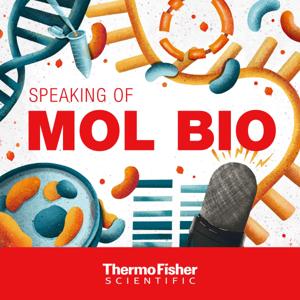

In this inspiring episode, Dr. Felipe Gálvez-Cancino, group leader at Oxford's Center for Immuno-Oncology, walks us through his team’s groundbreaking research on macrophages, T cells, and immune regulation in solid tumors. Tracing his path from early cancer vaccine work to advanced antibody-dependent cellular phagocytosis (ADCP), Felipe shares how his team is working to reprogram tumor-associated macrophages to more efficiently eliminate cancer cells.
He explains how regulatory CD4+ T cells suppress both T cell and macrophage responses within tumors and how removing that suppression can supercharge phagocytic function. We also hear how his lab is leveraging mouse models of hepatocellular carcinoma, clinical samples, and modern molecular biology techniques (like in vivo liver transfection and CRISPR-ready plasmid engineering) to study intratumor heterogeneity and antigen spreading.
Felipe also reflects on the value of early molecular biology training—like mastering gigapreps—and emphasizes the importance of curiosity, persistence, and collaboration in scientific careers. Whether you’re interested in cancer biology, immunotherapy, or just passionate about translating discoveries into new therapies, this episode offers both technical depth and motivational insight.
Subscribe to get future episodes as they drop and if you like what you’re hearing we hope you’ll share a review or recommend the series to a colleague.
Visit the Invitrogen School of Molecular Biology to access helpful molecular biology resources and educational content, and please share this resource with anyone you know working in molecular biology.
For Research Use Only. Not for use in diagnostic procedures.
 View all episodes
 By Thermo Fisher Scientific
5
33 ratings
In this inspiring episode, Dr. Felipe Gálvez-Cancino, group leader at Oxford's Center for Immuno-Oncology, walks us through his team’s groundbreaking research on macrophages, T cells, and immune regulation in solid tumors. Tracing his path from early cancer vaccine work to advanced antibody-dependent cellular phagocytosis (ADCP), Felipe shares how his team is working to reprogram tumor-associated macrophages to more efficiently eliminate cancer cells.
He explains how regulatory CD4+ T cells suppress both T cell and macrophage responses within tumors and how removing that suppression can supercharge phagocytic function. We also hear how his lab is leveraging mouse models of hepatocellular carcinoma, clinical samples, and modern molecular biology techniques (like in vivo liver transfection and CRISPR-ready plasmid engineering) to study intratumor heterogeneity and antigen spreading.
Felipe also reflects on the value of early molecular biology training—like mastering gigapreps—and emphasizes the importance of curiosity, persistence, and collaboration in scientific careers. Whether you’re interested in cancer biology, immunotherapy, or just passionate about translating discoveries into new therapies, this episode offers both technical depth and motivational insight.
Subscribe to get future episodes as they drop and if you like what you’re hearing we hope you’ll share a review or recommend the series to a colleague.
Visit the Invitrogen School of Molecular Biology to access helpful molecular biology resources and educational content, and please share this resource with anyone you know working in molecular biology.
For Research Use Only. Not for use in diagnostic procedures.

78,742 Listeners

43,836 Listeners

30,685 Listeners

43,593 Listeners

7,846 Listeners
754 Listeners
547 Listeners
12,134 Listeners
961 Listeners

819 Listeners

6,439 Listeners

12,738 Listeners

6,446 Listeners

6,581 Listeners

29,313 Listeners