
Sign up to save your podcasts
Or

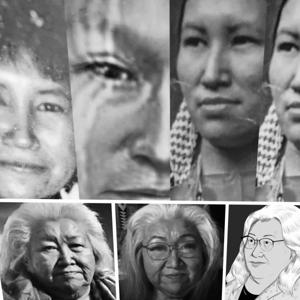


In this conversation, Marina Crane discusses her experiences and insights as an Indigenous elder, touching on themes of truth, reconciliation, and the complexities of identity and community. She emphasizes the importance of understanding one's own narrative and the impact of societal structures on personal and collective identity. The conversation delves into the complexities of gender dynamics, the impact of patriarchy on women's lives, and the responsibilities of women in raising boys. It also critiques mainstream feminism and discusses the psychological implications of narcissism in women, particularly in relation to their roles as mothers and community members.
Takeaways
Chapters
In this podcast, Marina Crane discusses the intersection of AI, community development, and the unique challenges faced by Indigenous women. She emphasizes the importance of storytelling, the historical context of residential schools, and the ongoing journey towards truth and reconciliation.
Takeaways
Chapters
The conversation explores the significance of storytelling, cultural identity, and the impact of systemic racism on Indigenous communities. Marina Crane reflects on her personal experiences, the importance of intergenerational dialogue, and the need for healing and understanding within her community. In this conversation, Marina Crane discusses the importance of education and self-awareness among Indigenous youth, the impact of colonialism on mental health practices, and the significance of setting personal boundaries. She emphasizes the need for a shift in narrative to empower individuals to recognize their potential and challenge self-destructive behaviors.
Takeaways
Chapters
In this podcast, Marina Crane discusses her personal experiences and reflections on Indigenous identity, activism, and the ongoing journey of truth and reconciliation in Canada. Through stories of her childhood friends and their struggles, she highlights the importance of acknowledging history and the role of youth in advocating for change. The conversation delves into the historical and ongoing impacts of colonialism on Indigenous communities, emphasizing the importance of truth and reconciliation, the need for systemic change, and the empowerment of Indigenous youth. It highlights the significance of narrative in healing and understanding the past to foster a better future.
Takeaways
Chapters
The conversation delves into the alarming recruitment tactics of the Second Sons, a white supremacist group in Canada, and the chilling effects of their non-disclosure agreements. It also explores the deep-rooted intergenerational trauma experienced by Indigenous communities, highlighting the psychological impacts of such trauma and the ongoing struggle for healing and identity. In this conversation, Marina Crane discusses the complexities of cultural identity, intergenerational trauma, and the impact of narcissism within Indigenous communities. She emphasizes the importance of healing and changing narratives to empower individuals and communities.
Takeaways
Chapters
In this conversation, Marina Crane discusses her personal experiences with anxiety and trauma, particularly in relation to the Truth and Reconciliation process in Canada. She explores the impact of systemic racism, the role of legal systems in perpetuating trauma, and the importance of sharing personal stories to foster understanding and healing. In this conversation, Marina Crane discusses the profound impact of systemic racism and the importance of sharing trauma stories. She emphasizes the need for political advocacy, cultural awareness, and the responsibility of individuals to engage in meaningful dialogue to address these issues.
Takeaways
Chapters
The conversation explores the significance of Truth and Reconciliation Day in Canada, focusing on the historical injustices faced by Indigenous peoples, particularly regarding Indian residential schools. It delves into the emotional impact of these events, the importance of preserving historical records, and the ongoing effects of intergenerational trauma, while also addressing the roles of women in healing and the systemic issues surrounding trafficking and racism. The conversation delves into the complexities of cultural narratives, intergenerational trauma, and the importance of truth and reconciliation, particularly in the context of Indigenous experiences. It highlights the need for emotional understanding, the impact of systemic issues, and the journey towards healing and love.
Takeaways
Chapters
The conversation explores the complexities of women's experiences, particularly in relation to sexuality, relationships, and societal expectations. Marina Crane reflects on generational trauma, the evolution of women's roles, and the impact of patriarchy on romantic relationships. The conversation explores the complexities of human relationships, trauma bonding, and societal issues surrounding gender dynamics and historical injustices. Marina Crane reflects on personal experiences and broader societal patterns, emphasizing the importance of emotional awareness and the impact of historical trauma on present-day interactions.
Takeaways
Chapters
The conversation delves into the complex and interconnected themes of human sexuality, gender dynamics, and power structures within indigenous communities, drawing parallels to the historical context of Nazi Germany. It explores the impact of Indian residential schools, the treatment of indigenous women, and the influence of leadership on sexual norms and practices. Marina Crane discusses the impact of Indian residential schools, the trauma experienced by survivors, and the ongoing struggle for recognition and justice. She also addresses the complexities of indigenous identity, the legacy of human trafficking, and the importance of healthy human sexuality. The conversation delves into the psychological and social repercussions of historical trauma and the need for truth and reconciliation.
Takeaways
Chapters
The conversation covers a wide range of topics, including personal anecdotes, indigenous heritage, women's health, mental health, spirituality, and the impact of pornography. Marina Crane shares insights on indigenous culture, the impact of historical events, and the challenges faced by women and children. She also discusses the spiritual and psychological implications of certain behaviors and the need for awareness and education. The conversation covers a wide range of topics, including sex trafficking, white supremacy, indigenous history, and personal reflections. It delves into the impact of historical events on modern society and the complexities of human relationships.
Takeaways
Chapters
From the publisher's feed