
Sign up to save your podcasts
Or

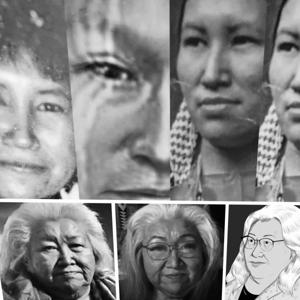


The podcast episode covers a range of topics including indigenous identity, intergenerational trauma, mental health, and unhealthy relationships. It also delves into the impact of colonialism, misogyny, and the repatriation of indigenous children from the Carlisle Indian Industrial School. The conversation covers a range of topics including the repatriation of Indigenous children, the impact of historical trauma, the importance of intimacy and healthy connections, and the significance of cultural stories and experiences. It also delves into the themes of mental health, spirituality, and the great mystery of life. The speaker shares personal experiences and insights, emphasizing the need for compassion, understanding, and the recognition of the potential within each individual.
Takeaways
Chapters
The conversation delves into the impact of historical trauma on indigenous communities, highlighting the devastating effects of human trafficking on indigenous women. It also explores the theme of naivete and the underbelly of human trafficking, as well as the struggle of embracing erotic healing as part of the healing process. The conversation delves into the challenges faced by indigenous women in expressing their sexuality, the impact of trauma and exploitation, and the systemic issues of racism, cultural appropriation, and societal stigma. It also explores the concept of hypersexuality, ritual abuse, and the importance of empowerment and education in addressing these issues.
Takeaways
Chapters
The conversation delves into the recognition of indigenous identity, the impact of the Indian Act, historical colonization, the loss of indigenous status, and the impact on indigenous women. It highlights the systemic racism, misogyny, and the loss of indigenous language and culture, emphasizing the historical and contemporary challenges faced by indigenous communities. The conversation delves into the struggle for sovereignty faced by Indigenous women and the impact of colonization on indigenous communities. It highlights the challenges of losing language, status, and identity, as well as the historical impact of colonization on indigenous people's lives and culture.
Takeaways
Chapters
The podcast delves into the human condition, isolation, love, attraction, relationships, art, music, resistance, natural forces, climate change, the legacy of Indian hospitals in Canada, psychology of asceticism, self-reflection, understanding love, and the Indian Act and systemic racism. The conversation covers a wide range of topics, including the history of the Metis and pemmican, the power of indigenous people in Alberta, strategic pessimism and resilience, learning and understanding indigenous culture, indigenous legends and meteor showers, religious and historical context, the Spanish Inquisition and historical racism, ritual abuse and societal reflection, protecting children and creating safe spaces, political commentary and humor, Canada's response to political challenges, indigenous leadership and reclamation, resistance and healing through art, the struggle of indigenous women, global issues and societal constructs, and promoting education and learning.
Takeaways
Chapters
The conversation covers a range of topics including personal updates, indigenous rituals and ceremonies, healing from trauma, and the legal case of Nathan Chasing Horse. It delves into the impact of historical trauma, the importance of storytelling, and the challenges of seeking justice for victims of abuse. The conversation delves into the trial and sentencing of Nathan Chasing Horse, a self-proclaimed medicine man accused of sexual abuse. It also explores the impact on the victims, the failures of the justice system, and the broader issues of indigenous rights and cultural understanding.
Takeaways
Chapters
The conversation covers topics related to self-reflection, sexual desire, intimacy, pornography, limerence, and recovery. It also delves into personal experiences and historical narratives. The conversation delves into the psychological concepts of limerence and erotomania, exploring the differences between the two and their impact on personal experiences. It also addresses the importance of addressing sexuality in the healing process and the effects of chronic mistrust on relationships and psychological well-being. The discussion further touches on the influence of mind control, systemic racism, and the concept of slave morality in social justice and cancel culture. Marina Crane discusses a wide range of topics, including accountability, cancel culture, trauma, and intergenerational healing. She also shares personal experiences and insights into relationships, infidelity, and the impact of intergenerational trauma on indigenous communities. Marina emphasizes the importance of understanding and addressing trauma, both personally and within relationships, and highlights the significance of cultural heritage and storytelling in healing.
Takeaways
Chapters
Marina Crane shares her personal journey, family dynamics, and the impact of intergenerational trauma, highlighting the importance of collective and holistic healing. She also discusses the challenges of indigenous identity and the role of community support in healing and resilience. Marina Crane discusses the impact of intergenerational trauma, the challenges of being indigenous, and the devastating effects of climate change. She also highlights the importance of critical thinking and the need for sovereignty over indigenous children. The conversation delves into the concept of being a good relative and the moral philosophy of indigenous people.
Takeaways
Chapters
Marina Crane shares her personal experiences as an elder and indigenous woman, discussing family dynamics, the impact of religion, intergenerational trauma, systemic racism, cult dynamics, and reflections on aging and closure. Marina Crane shares personal stories of trauma, family dynamics, and the impact of systemic racism and intergenerational trauma on Indigenous communities. She also discusses the challenges of restorative justice and the importance of healing and self-acceptance.
Takeaways
Chapters
The conversation covers a range of topics including identity, systemic racism, cult mentality, and the lack of sovereignty over indigenous children. It delves into the experiences of the speaker and her family, shedding light on the impact of historical trauma and the challenges faced by indigenous communities. The conversation covers a wide range of topics, including personal experiences, historical events, cultural insights, and societal observations. Marina Crane shares stories of resilience, discrimination, and the impact of systemic racism on indigenous communities. She also discusses the importance of education, sovereignty, and healthy human sexuality. The conversation delves into the complexities of relationships, freedom of thought, and the effects of climate change on indigenous lands and traditions.
Takeaways
Chapters
The conversation delves into the theme of revelations and family disputes, highlighting the challenges and complexities of indigenous communities and the impact of genocide trauma on individuals and communities. It also explores the unique struggles and vulnerabilities faced by indigenous women, shedding light on the need for understanding and healing. The conversation delves into the complex dynamics of family trauma, the rise of white supremacy and extremism, and the impact of cults, radicalization, and vulnerability. It explores the interconnectedness of biology and culture, shedding light on the enduring impact of intergenerational trauma.
Takeaways
Chapters
From the publisher's feed