
Sign up to save your podcasts
Or



In different organizations, sometimes learning is a punishment. If people don't do the right thing or there's a safety issue or a compliance issue, we send people to training. The other end of that spectrum is it's a reward for people. So, your top performers, key talent. So how do we find somewhere in the middle?
We're Only Human -- Episode 179
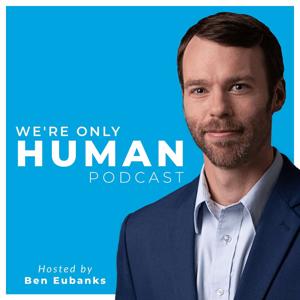
In this episode of We're Only Human, host Ben Eubanks talks with learning executive and neuroscience enthusiast Hannah Conkey. The interview discusses the importance of redefining the role of learning in organizations, emphasizing the need to move away from a punitive training approach to a more holistic and motivational perspective. It touches on key concepts such as:
Connect with Hannah on LinkedIn
What's it going to take for them to be able to retire? They're going to need to number one: save. Number two, have earnings on what they've saved. And number three, they're going to have to minimize the deductions coming out of their accounts. We call that the three key drivers.
Chris Thixton, Principal, Pension Consultants, Inc.
We're Only Human -- Episode 178
In this episode of We're Only Human, host Ben Eubanks and retirement benefits strategist Chris Thixton discuss the importance of properly managing retirement plans and benefits, emphasizing the three key drivers. It stresses the need for HR leaders to set clear goals, establish measurable metrics, and prioritize transparency. A practical example is shared where a company enhanced its retirement plan outcomes through a strategic shift in focus and commitment. The conversation highlights the significance of caring for employees' financial security and the impact of proactive retirement planning on individuals' future well-being.
Connect with Chris on LinkedIn
Recruiting is preparation for retention. I think it's really top of mind that we should focus on that because a lot of people think that recruiting is just the top of funnel--just getting people in the door. But the experience that people have during the recruitment process... Data has supported that it flows into the retention of that individual throughout their life cycle.
We're Only Human -- Episode 177
Today's podcast episode is a replay of the Q4 2024 livestream research release keynote panel conversation between Travis Windling of RBC, Lisa Brignall of Coca Cola, and Camille Tate of Strava. Listeners can expect to learn:
"So how do we ensure that our team is focused on the right things so that they're making an impact and seeing that reflected in the business success? As companies increasingly are focused on the bottom line, we just cannot afford to have employees working on things that are not moving the ball forward as it relates to our priorities."
Michelle Pulido, Senior Vice President of People and Workplace, Rothy's
We're Only Human -- Episode 176
This episode of We're Only Human discusses how Rothy's, a sustainable company, prioritizes connecting with employees, aligning employee experience with business priorities, and providing choices and flexibility in recognition. Michelle Pullido, the Senior Vice President of People and Workplace at Rothy's, shares insights on strategies for creating a positive employee experience, including understanding employee motivations, aligning with leadership priorities, and utilizing platforms like Goody for employee recognition.
Get your own free $20 Goody credit: https://www.ongoody.com/business/signup
Connect with Michelle on LinkedIn: https://www.linkedin.com/in/mvpulido/
"We can make the case. Research is out there that prioritizing connection over productivity is the fastest way to get the productivity. When people have the sense of belongings and feel valued and be part of something, the productivity goes up."
Junko Fukuma, AVP of Talent, Healthesystems
We're Only Human -- Episode 175
In this episode of "We're Only Human," Ben Eubanks interviews Junko Fukuma about the importance of creating connections and fostering belonging in the workplace. They discuss the concept of a "me manual" as a tool to facilitate understanding and communication between team members. Junko shares insights on how the me manual can improve team dynamics, enhance productivity, and create a sense of belonging. The conversation highlights the significance of personal connections, especially in a remote work setting, and emphasizes the impact of prioritizing human connections over productivity.
Three takeaways:
Show Notes
"I also enjoy the face to face with employees. And I think I really have chosen this field of benefits, this discipline, because I want to help employees maximize the benefits that are offered to them."
Summer Martin, Human Resources Generalist, STRATA-G Solutions
We're Only Human -- Episode 174
The episode features a conversation between Ben Eubanks and Summer Martin about Summer's journey in pursuing the Certified Employee Benefits Specialist (CEBS) certification. Summer shares her passion for educating employees on benefits and helping organizations enhance their benefits offerings. She discusses the importance of effective communication in benefits and the value of specialized certifications in HR. The conversation highlights the role of benefits in attracting and retaining talent, as well as the significance of tailoring benefits information to different audiences.
Show NotesIn this episode, Ben Eubanks interviews Cheryl Gochis, the chief human resources officer at Baylor University. They discuss the importance of enabling and selecting great leaders. Cheryl highlights the impact of a good manager on their team, the importance of truthful job descriptions for manager roles, and the need for HR professionals to understand and support the business they serve. The interview also highlights the value of sharing real stories and narratives to guide managers, rather than adopting a formulaic approach.
Show Notes
"My refrigerator broke one day and I didn't call a repair person. I didn't go to refrigerator repair school. I went to YouTube, found a person who had a similar problem, followed along, fixed the problem, moved on. And then we go to work and suddenly you can't do that anymore."
JD Dillon, Chief Learning Officer, AxonifyWe're Only Human - Episode 172
In this episode, Ben talks with JD Dillon, a learning leader and advocate for frontline workers and the use of technology to support learning outcomes. In the conversation, they discuss the concept of the modern learning ecosystem, emphasizing the importance of enabling frontline workers and exploring the evolution of learning technology and its impact, particularly for frontline employees. The conversation focuses on the practical application of technology to improve work experiences, including personalized learning, language barriers, and the promise of AI. Three takeaways for listeners include:
1. The evolving role of learning technology in supporting frontline workers.
2. The potential for technology to address challenges such as language barriers and accessibility.
3. The importance of rethinking the work experience and leveraging technology to enable personalized, equitable, and effective learning and development.
Show Notes
"I would be remiss to tell our employees 'you have the power to question your doctors' if I didn't tell HR people 'you have the power to question your consultants and brokers' the exact same way."
Melissa Cassidy, Human Resources Leader, Valpak
We're Only Human -- Episode 171
In this podcast episode, host Ben Eubanks engages in a conversation with Melissa Cassidy, focusing on the topics of benefits, HR, and employee wellness. They discuss Melissa's background and her experience in the field. Melissa shares the challenges she faced when implementing a new benefit plan and the importance of gathering employee feedback. Moreover, they dig into the strategies they used to educate and support employees in terms of benefits and financial literacy.
Key Takeaways:
"So when it comes to training and learning as a viable solution for helping people be the best that they can be in the roles that they serve, I believe that that's always been important. We've just not always been able to illustrate impact in the past the way in which we're able to now. That is because of the different types of tools and resources and knowledge that we've gained about the science of measuring the impact of training and learning."
Kevin M. Yates, The L&D Detective
We're Only Human -- Episode 170
It's an age-old problem: We're training people, but how do we know if it's working? What's the impact? What's the result? What's the ROI?
In this interview with Kevin M. Yates, the learning detective and a daily practitioner with experience in learning analytics and measurement at organizations like Meta and McDonald's, you'll learn about how measuring and proving training value is closer than ever before.
Show Notes
From the publisher's feed
113 Listeners

30,110 Listeners

87,155 Listeners

36 Listeners

9,064 Listeners
209 Listeners
145 Listeners

2,199 Listeners
1,377 Listeners

15,904 Listeners
368 Listeners

12,418 Listeners