
Sign up to save your podcasts
Or

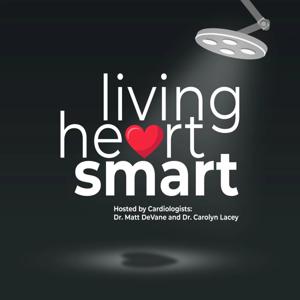

What would you do if someone collapsed right in front of you?
In this episode of Living Heart Smart, board-certified cardiologists Dr. Matt DeVane and Dr. Carolyn Lacey walk you through exactly what to do in the critical first moments of a sudden cardiac arrest.
Whether you’re at the pickleball court, the gym, a restaurant, or with family at home — the actions you take in the first few minutes can mean the difference between life and death.
We break it down into three simple, lifesaving steps:
1️⃣ Call 911 — or assign someone specifically to do it. Don’t assume someone else has called.
2️⃣ Get an AED (Automated External Defibrillator) — they are more common than you think.
3️⃣ Start hands-only CPR — immediately.
You’ll also learn:
What an AED actually does and how simple it is to use
The difference between a heart attack and sudden cardiac arrest
Why you cannot “make it worse” by using an AED
How Good Samaritan laws protect you
What to expect while waiting for EMS (average arrival time is about 10 minutes)
These devices are designed for everyday people. You do not need medical training. The machine does the analysis. It tells you exactly what to do.
The life you save is most likely to be someone you love.
Our goal today: help you go from a scared bystander to a heroic lifesaver.
If this episode builds your confidence, share it with someone you care about.
And don’t forget to subscribe to Living Heart Smart for more practical, evidence-based heart health guidance.
#CardiacArrest #CPR #AED #HeartHealth #SuddenCardiacArrest #BystanderCPR
 View all episodes
 By Dr. Matthew DeVane and Dr. Carolyn Lacey
5
33 ratings
What would you do if someone collapsed right in front of you?
In this episode of Living Heart Smart, board-certified cardiologists Dr. Matt DeVane and Dr. Carolyn Lacey walk you through exactly what to do in the critical first moments of a sudden cardiac arrest.
Whether you’re at the pickleball court, the gym, a restaurant, or with family at home — the actions you take in the first few minutes can mean the difference between life and death.
We break it down into three simple, lifesaving steps:
1️⃣ Call 911 — or assign someone specifically to do it. Don’t assume someone else has called.
2️⃣ Get an AED (Automated External Defibrillator) — they are more common than you think.
3️⃣ Start hands-only CPR — immediately.
You’ll also learn:
What an AED actually does and how simple it is to use
The difference between a heart attack and sudden cardiac arrest
Why you cannot “make it worse” by using an AED
How Good Samaritan laws protect you
What to expect while waiting for EMS (average arrival time is about 10 minutes)
These devices are designed for everyday people. You do not need medical training. The machine does the analysis. It tells you exactly what to do.
The life you save is most likely to be someone you love.
Our goal today: help you go from a scared bystander to a heroic lifesaver.
If this episode builds your confidence, share it with someone you care about.
And don’t forget to subscribe to Living Heart Smart for more practical, evidence-based heart health guidance.
#CardiacArrest #CPR #AED #HeartHealth #SuddenCardiacArrest #BystanderCPR

103 Listeners
9,194 Listeners

8,043 Listeners
27,584 Listeners

29,272 Listeners

18 Listeners
26,679 Listeners