
Sign up to save your podcasts
Or

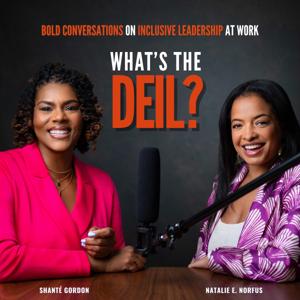


Bias happens everywhere, especially at work. And often, it shows up long before anyone realizes there’s a problem.
In this episode of What’s the DEIL?, Shanté and Natalie dig into how bias, particularly unconscious or implicit bias, quietly shapes the workplace experience. Whether it’s small assumptions about who takes notes in meetings, who gets certain assignments, or how people’s communication styles are perceived, these “little” moments can snowball into big workplace issues, complaints, and even legal risk.
Here’s What You’ll Learn in This Episode:
✔️ What bias really is (hint: everyone has it—yes, even you)
✔️ The difference between conscious and unconscious bias
✔️ Why our brains build shortcuts and how they can reinforce stereotypes
✔️ How everyday behaviors, like questioning someone’s expertise or making assumptions based on appearance, can erode trust and fuel resentment
✔️ Real-life examples from investigations where unchecked bias created workplace conflict
✔️ The connection between mindfulness and inclusive leadership
✔️ Why curiosity (not defensiveness) is the antidote to bias
✔️ Simple, practical steps for leaders to disrupt bias before it leads to complaints or deeper organizational issues
Workplace Bias: More Than Just Hurt Feelings
Bias isn’t always about blatant discrimination; it often shows up as:
Left unchecked, these moments chip away at morale, damage psychological safety, and, in some cases, open the door to formal complaints or investigations.
The Leadership Wake-Up Call
The hosts break down how mindful leaders can spot bias patterns early by:
✔️ Paying attention to who speaks, who gets overlooked, and who takes on invisible labor
✔️ Switching up routines to ensure equity in meetings and assignments
✔️ Avoiding lazy connections based on personal identity—build rapport in meaningful ways
The Bottom Line?
Bias is normal, but ignoring it is where workplaces fall apart. Leaders can’t afford to operate on autopilot. It takes self-awareness, curiosity, and intentional action to prevent small biases from becoming big problems. Whether you’re a new manager, seasoned executive, or DEI champion, this episode offers practical tools to create a more inclusive, equitable workplace before it escalates to formal complaints or investigations.
Follow & Connect with us:
If you enjoyed this episode, don’t forget to subscribe, rate, and leave a review!
Hosted on Acast. See acast.com/privacy for more information.
In this episode of What’s the DEIL?, Shanté and Natalie explore the often-overlooked aspects of internal investigations, highlighting why a neutral, trauma-informed third party can significantly impact the process, particularly in cases involving workplace culture, conflict, or DEI concerns.
Employee complaints are rarely as simple as they seem on the surface. Behind every formal investigation is often a tangled web of long-standing frustrations, cultural tensions, and unresolved bias. And yet, too many organizations fumble by either keeping investigations in-house when they shouldn’t or by bringing in external investigators who don’t have the skills or sensitivity to navigate complex people dynamics.
Natalie breaks down exactly when leaders should call in outside support, the risks of mishandling investigations, and why neutrality isn’t just about legal compliance; it’s about trust, safety, and protecting your culture. You’ll also hear how trauma-informed approaches can reduce harm, improve participation, and ultimately lead to better outcomes for everyone involved.
What You’ll Learn in This Episode:
✔️ When to keep an investigation internal and when to bring in a neutral third party
✔️ The biggest red flags in workplace complaints that signal it’s time for outside help
✔️ How bias, culture, and leadership dynamics complicate modern investigations
✔️ Why trauma-informed approaches are essential for fair, respectful processes
✔️ The link between sloppy investigations and employee distrust, turnover, lawsuits, or social media blow-ups
✔️ How proper investigations can actually improve your workplace culture long-term
Whether you’re an HR leader, executive, DEI practitioner, or people manager, this episode offers real-world insight into getting investigations right before your culture, reputation, or bottom line pay the price.
Key Topics:
Need Help with Workplace Culture or Internal Investigations?
The Norfus Firm supports organizations through high-stakes investigations, DEI strategy, and culture audits. Whether you’re in crisis or building preventative systems, our trauma-informed, legally sound approach can help. Reach out to learn more.
Follow & Connect with us:
If you enjoyed this episode, don’t forget to subscribe, rate, and leave a review!
Hosted on Acast. See acast.com/privacy for more information.
In this episode of What’s the DEIL?, Shanté and Natalie dig into the real reason culture can’t just live on your company’s “About Us” page.
Yes, “culture” is often used as a feel-good concept. But when conflict erupts, or worse, formal complaints arise, what’s beneath the surface usually reveals a pattern, not a one-time issue. And that pattern? It’s shaped by culture.
From favoritism to retaliation to unchecked leadership behaviors, the hosts explore how your day-to-day practices, or lack thereof, are either reinforcing accountability or brewing your next workplace investigation.
In this episode, you’ll learn:
Whether you lead a team or guide organizational strategy, this episode is a wake-up call: if you’re not looking at how your culture actually works, you’re probably not leading as well as you think.
Follow & Connect with us:
If you enjoyed this episode, don’t forget to subscribe, rate, and leave a review!
Hosted on Acast. See acast.com/privacy for more information.
Middle managers are the unsung heroes of the modern workplace. They’re the bridge between vision and execution, strategy and people, senior leadership and front-line teams. But they’re also the most overlooked when it comes to meaningful development and support. In this episode of What’s the DEIL? Shanté and Natalie delve into why middle managers are the culture keepers and why investing in them is crucial to an organization's health, retention, and long-term performance.
From the unique challenges middle managers face to the pressure they absorb from both directions, we explore the importance of coaching, training, and development in making these roles sustainable. We also offer practical solutions, scalable coaching models, and a call for HR and executive leaders to stop thrusting people into leadership without providing them with the tools to succeed.
What You’ll Learn in This Episode:
Key Takeaways:
Follow & Connect with us:
If you enjoyed this episode, don’t forget to subscribe, rate, and leave a review!
Hosted on Acast. See acast.com/privacy for more information.
Conflict at work isn’t the enemy—avoiding it is.
In this episode of What’s the DEIL?, Shanté and Natalie tackle one of the most misunderstood dynamics in leadership and workplace culture: conflict. Not the explosive kind we all dread but the slow-simmering tension that starts with a side-eye in a Slack message or a disengaged team member and ends in resignation letters, HR investigations, or boardroom complaints.
This conversation challenges the notion that all conflict is inherently bad and instead reframes it as inevitable and manageable if identified and addressed early. The goal? Spot issues before they erupt and build a workplace where healthy disagreement drives performance, not dysfunction.
What You’ll Learn:This episode also explores what happens when leaders aren’t equipped to manage feedback and how their blind spots create ripple effects across an entire team. If your people don’t feel safe speaking up, your culture is already in trouble, and you might be the last to know.
Related Topics:Whether you’re an HR leader, executive, team manager, or just trying to navigate tough work dynamics, this episode will challenge you to stop seeing conflict as a fire to put out and instead as a signal to lead better.
Follow & Connect with us:
If you enjoyed this episode, don’t forget to subscribe, rate, and leave a review!
Hosted on Acast. See acast.com/privacy for more information.
In this episode of What’s the DEIL? Natalie and Shanté dive deep into the true power and misunderstood value of coaching in the workplace. Not performance management coaching. Not “fix your attitude or lose your job” coaching. We’re talking about real, development-focused, coaching-centered leadership that can transform your entire culture from the inside out.
Too often, coaching is treated as an executive luxury or a last-ditch effort to salvage problematic leaders. But what if coaching wasn’t just for the C-suite or crisis? What if it was a foundational leadership tool applied across all levels of your organization?
In this episode, we explore:
Whether you’re a CEO, a people leader, or someone leading quietly in the background (we see you, Stephanie!), this episode will challenge your assumptions about who gets to grow—and why coaching might be one of the most underutilized tools in your culture toolbox.
Key Takeaways:Ready to rethink how leadership is developed in your org? Want to create a coaching culture that’s inclusive, strategic, and scalable? Reach out to us below.
Follow & Connect with us:
If you enjoyed this episode, don’t forget to subscribe, rate, and leave a review!
Hosted on Acast. See acast.com/privacy for more information.
In this episode of What’s the DEIL? Shanté and Natalie break down the difference between performative DEI and actual, lawful, impactful action. With anti-DEI rhetoric making headlines and fear running high across corporate America, this episode offers a practical, clear-eyed path forward for organizations who are feeling the pressure to “do something” but aren’t quite sure what.
Rather than reacting to political panic or folding to fear-based headlines, the hosts advocate for a proactive approach: a comprehensive workplace audit to ensure your people practices are legally compliant, inclusive in reality (not just in branding), and truly aligned with your company’s values.
Here’s what we cover:
Plus, we unpack:
Whether you’re a CHRO, DEI lead, general counsel, or senior executive just trying to do the right thing, this episode is your blueprint for how to move from optics to integrity.
Bottom line: Your DEI work shouldn’t just sound good. It should be good and legal. Auditing your practices is how you find out if you’re walking the talk.
Follow & Connect with us:
If you enjoyed this episode, don’t forget to subscribe, rate, and leave a review!
Hosted on Acast. See acast.com/privacy for more information.
In this episode of What’s the DEIL?, Natalie and Shanté are pulling back the curtain on one of the most overlooked but essential tools in your leadership toolbox: the workplace culture assessment.
Think employee engagement surveys are enough? Think again. The workplace and the world have shifted dramatically. What worked in 2019 won’t cut it in 2025. Your culture assessment can’t just be a box you check; it has to be a mirror reflecting your employees’ lived realities, otherwise, what’s the point?
In this episode, we cover:
Plus: A sealed envelope story you won’t believe, the dangers of survey overload, and what makes someone truly qualified to lead people.
Natalie and Shanté also walk through a clear, practical assessment process, from design to analysis to (you guessed it) actually doing something with the data, and why most companies fall short in the final stretch.
Key takeaway? If your employees don’t feel heard, valued, or supported, you’re not just missing the mark on DEI, you’re leaving real business outcomes on the table. And no, you can’t fix it with a gold star or a ranking badge.
Want to know where your culture really stands? Start by asking and be ready to listen, learn, and lead differently.
Follow & Connect with us:
If you enjoyed this episode, don’t forget to subscribe, rate, and leave a review!
Hosted on Acast. See acast.com/privacy for more information.
In this episode, Natalie and Shanté take a hard look at what wellness in the workplace really means in 2025. Spoiler: it’s not bubble baths, yoga sessions, or sporadic wellness emails. It’s about addressing the real stressors employees face daily and rethinking what effective workplace wellness looks like — beyond surface-level perks.
Episode Highlights:
Wellness Fatigue is Real: Employers rushed to implement wellness programs post-2020, but many initiatives felt like one-off tactics rather than part of a meaningful strategy. Yoga sessions and mobile barbers are great, but are they actually meeting employee needs? Natalie and Shanté break down why so many wellness programs missed the mark.
35% Productivity Drop from Chronic Stress: Shanté shares a striking stat: workers dealing with chronic stress or trauma can experience up to a 35% decrease in productivity. In today’s world of non-stop news cycles, layoffs, and global uncertainty, understanding the link between wellbeing and performance is non-negotiable.
The Employer’s Real Role in Employee Wellbeing: Let’s be clear: employers are not responsible for fixing every employee’s life. But they are responsible for creating psychologically safe workplaces and realistic workloads. If people feel overwhelmed, unsupported, or uncertain about expectations, productivity and morale will plummet.
Stop Playing Wellness Darts: Throwing random perks at employees and hoping they stick is not a strategy. Wellness needs to be operationalized and integrated into the flow of work itself — not treated as an add-on or afterthought.
Key Takeaways:
Favorite Quote of the Episode:
“If you don’t consider people’s humanity, we’ll keep getting headlines of people getting laid off. And if you think your people aren’t enough to drive your business goals, you’ve already lost.” — Natalie Norfus
Follow & Connect with us:
If you enjoyed this episode, don’t forget to subscribe, rate, and leave a review!
Hosted on Acast. See acast.com/privacy for more information.
In this episode of What’s the DEIL?, Natalie and Shanté unpack the evolution of workplace wellness — from the pandemic-fueled rush of 2020 to the complex realities of 2025. Spoiler alert: your occasional meditation webinar or EAP reminder isn’t cutting it.
As the weight of today’s world presses harder — with unrelenting news cycles, social tensions, and workplace uncertainty — employees carry more than just their workloads. Natalie and Shanté share candid stories, real client examples, and hard-won insights into why “wellness” can no longer be an afterthought or a surface-level initiative.
In this episode, they dive into:
Why avoidance isn’t an option: In today’s climate, stress and overwhelm find us no matter how much we try to disconnect. Leaders can’t ignore it.
The band-aid era of wellness (and why it failed): Remember those one-off yoga classes, pop-up meditation apps, and random wellness perks? Yeah, employees do too — and they saw right through it.
Short-sighted strategies vs. intentional programs: Quick fixes aren’t enough. Employees crave meaningful, well-thought-out initiatives grounded in genuine care and consistency.
Trust and Transparency: Wellness efforts fall flat when leaders don’t clearly communicate intent, purpose, or outcomes. If you’re asking employees what they need, be ready to act.
The patience factor: Building a sustainable culture of wellness takes time. Like a great party, it doesn’t hit capacity on day one.
Wellness will look different in 2025. What worked in 2020 doesn’t necessarily fit today’s challenges. Wellness must evolve alongside employee needs, workplace dynamics, and societal shifts.
Honesty is wellness: If you can’t properly resource wellness, be transparent. Employees value clarity over empty gestures.
Employers aren’t saviors (and that’s okay): You don’t have to be all things to everyone. Define your role clearly, and manage expectations authentically.
Key Takeaways:
✔️ Wellness is no longer a “nice to have” — it’s essential to sustaining your workforce in turbulent times.
✔️ Consistency and clarity build trust. Flashy programs with no follow-through break it.
✔️ Understand your employees’ realities. Use data, but only if you’re committed to meaningful action.
✔️ Focus on humanity over hollow perks. Show you care through real, tangible efforts.
✔️ You can’t solve everything, but you can be clear about what you will do.
Quote of the Episode: “2025 feels like it needs to be the year of humanity. If you don’t care, don’t ask.” — Natalie Norfus
Follow & Connect with us:
If you enjoyed this episode, don’t forget to subscribe, rate, and leave a review!
Hosted on Acast. See acast.com/privacy for more information.
From the publisher's feed
What’s the DEIL? is a podcast for organizational leaders (and those who support them) who are navigating workplace culture, leadership, and inclusive practices in a rapidly evolving…
We explore how leaders can create space for authentic human connection through the lens of DEI. In this podcast, we discuss real and relevant work issues in a way that centers people and challenges leaders to go above and beyond in their efforts to improve workplace culture.
We know you’re busy so we focus on practical strategies and solid practices that improve employee engagement, retention and impact.
Hosted on Acast. See acast.com/privacy for more information.