
Sign up to save your podcasts
Or

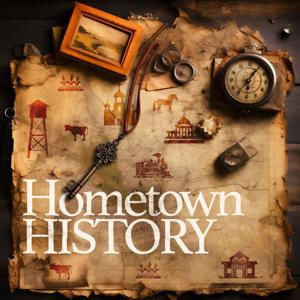

Before Hollywood was Hollywood, Jacksonville, Florida was the center of America's film industry. In 1908, when Chicago-based film studios fled brutal winters and Thomas Edison's patent lawsuits, they discovered Jacksonville's year-round sunshine, diverse landscapes, and complete absence of Edison's lawyers. Within five years, Jacksonville hosted over thirty film studios—more than anywhere else in America—producing thousands of silent films and employing hundreds of actors who would later become Hollywood legends.
The city's explosion as a film capital seemed unstoppable. Oliver Hardy got his start in Jacksonville comedies. Major studios built permanent facilities. Films shot against Florida's beaches, forests, and Spanish moss-draped streets captivated audiences nationwide. But by 1918, the boom was over—studios had abandoned Jacksonville for a small California town called Hollywood, leaving behind only forgotten film reels and demolished soundstages.
This is the story of how Jacksonville almost became the permanent heart of American cinema, why the entire film industry migrated 2,500 miles west, and what Jacksonville's brief moment as "the Winter Film Capital of the World" reveals about the accidental geography of cultural empires. Sometimes the right place at the right time isn't enough—and Florida's film industry learned that the hard way.
Subscribe to Hometown History for forgotten American history stories every week. New episodes release Tuesdays. Every hometown has a story—what's yours?
Show NotesIn This Episode:
Before Los Angeles became synonymous with filmmaking, Jacksonville, Florida reigned as America's original film capital. Between 1908 and 1918, this small Florida city hosted more than thirty film studios—more than any other location in the United States—and produced thousands of silent films that defined early American cinema.
Why Jacksonville?
Jacksonville's Film Golden Age (1908-1918):
The Decline:
By 1918, Jacksonville's film industry had completely collapsed. Studios migrated to Hollywood, California, abandoning Florida's soundstages and leaving behind only film fragments in archives. The reasons were complex: California's even more consistent weather, Los Angeles' aggressive recruitment of studios, Jacksonville's conservative moral backlash against Hollywood behavior, and World War I's disruption of production schedules.
Key Figures:
What Remains:
Norman Studios in Jacksonville is now a museum dedicated to preserving Florida's silent film heritage—one of the only physical remnants of the city's brief reign as America's film capital.
Sources:
Historical Society of Jacksonville film archive, Florida Times-Union historical records, Norman Studios Museum documentation, University of Florida film history collection, early film industry trade publications from 1908-1920.
 View all episodes
 By Shane Waters

4.5
138138 ratings
Before Hollywood was Hollywood, Jacksonville, Florida was the center of America's film industry. In 1908, when Chicago-based film studios fled brutal winters and Thomas Edison's patent lawsuits, they discovered Jacksonville's year-round sunshine, diverse landscapes, and complete absence of Edison's lawyers. Within five years, Jacksonville hosted over thirty film studios—more than anywhere else in America—producing thousands of silent films and employing hundreds of actors who would later become Hollywood legends.
The city's explosion as a film capital seemed unstoppable. Oliver Hardy got his start in Jacksonville comedies. Major studios built permanent facilities. Films shot against Florida's beaches, forests, and Spanish moss-draped streets captivated audiences nationwide. But by 1918, the boom was over—studios had abandoned Jacksonville for a small California town called Hollywood, leaving behind only forgotten film reels and demolished soundstages.
This is the story of how Jacksonville almost became the permanent heart of American cinema, why the entire film industry migrated 2,500 miles west, and what Jacksonville's brief moment as "the Winter Film Capital of the World" reveals about the accidental geography of cultural empires. Sometimes the right place at the right time isn't enough—and Florida's film industry learned that the hard way.
Subscribe to Hometown History for forgotten American history stories every week. New episodes release Tuesdays. Every hometown has a story—what's yours?
Show NotesIn This Episode:
Before Los Angeles became synonymous with filmmaking, Jacksonville, Florida reigned as America's original film capital. Between 1908 and 1918, this small Florida city hosted more than thirty film studios—more than any other location in the United States—and produced thousands of silent films that defined early American cinema.
Why Jacksonville?
Jacksonville's Film Golden Age (1908-1918):
The Decline:
By 1918, Jacksonville's film industry had completely collapsed. Studios migrated to Hollywood, California, abandoning Florida's soundstages and leaving behind only film fragments in archives. The reasons were complex: California's even more consistent weather, Los Angeles' aggressive recruitment of studios, Jacksonville's conservative moral backlash against Hollywood behavior, and World War I's disruption of production schedules.
Key Figures:
What Remains:
Norman Studios in Jacksonville is now a museum dedicated to preserving Florida's silent film heritage—one of the only physical remnants of the city's brief reign as America's film capital.
Sources:
Historical Society of Jacksonville film archive, Florida Times-Union historical records, Norman Studios Museum documentation, University of Florida film history collection, early film industry trade publications from 1908-1920.
17,325 Listeners

2,790 Listeners

10,972 Listeners

958 Listeners

2,825 Listeners

2,863 Listeners

1,016 Listeners

1,926 Listeners

19,133 Listeners

47,718 Listeners

375 Listeners

17,948 Listeners

8,022 Listeners

3,982 Listeners
10,359 Listeners

75 Listeners
61 Listeners

136 Listeners

378 Listeners
896 Listeners

8 Listeners

3 Listeners

11 Listeners

336 Listeners