
Sign up to save your podcasts
Or

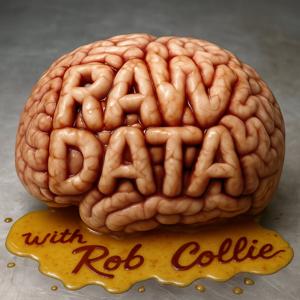

Rob and Justin had a plan. Scale Justin's brain across the entire P3 consulting team. Build an AI agent that bottled up his frameworks, his instincts, the way he navigates AI conversations with clients. In theory, everyone gets smarter overnight. It was a solid idea. The tech worked. The knowledge base was deep. The guardrails were tight. And almost nobody used it. Not because it was broken. Because the team wasn't waking up thinking, "Man, if only I could channel Justin right now." That wasn't the fire in front of them. So instead of feeling like leverage, the agent felt like homework.
And that's the punchline. You can build something powerful and still miss the mark. No one was losing sleep over not having this tool. No one's bonus depended on it. So it drifted. Not rejected. Just... optional. That's a brutal place for a "strategic initiative" to land. The fix isn't a better tool. It's sequencing. Define the services, train the team, build the human infrastructure that makes the tool land on a surface that's ready for it. Every AI project that has worked traces back to the builder being a direct stakeholder. Not adjacent to the problem. In it. Proximity to the pain is doing a lot of work that no amount of clever architecture can replace.
When leaders are the ones excited about AI and employees are the ones expected to use it, you've got a stakeholder mismatch. And that mismatch is quietly killing more AI initiatives than any technical failure ever will. If you're planning a rollout, or already wondering why yours isn't sticking, this episode is for you. Be sure to subscribe on your favorite podcast platform for new content delivered directly to your inbox.
 View all episodes
 By P3 Adaptive
5
5353 ratings
Rob and Justin had a plan. Scale Justin's brain across the entire P3 consulting team. Build an AI agent that bottled up his frameworks, his instincts, the way he navigates AI conversations with clients. In theory, everyone gets smarter overnight. It was a solid idea. The tech worked. The knowledge base was deep. The guardrails were tight. And almost nobody used it. Not because it was broken. Because the team wasn't waking up thinking, "Man, if only I could channel Justin right now." That wasn't the fire in front of them. So instead of feeling like leverage, the agent felt like homework.
And that's the punchline. You can build something powerful and still miss the mark. No one was losing sleep over not having this tool. No one's bonus depended on it. So it drifted. Not rejected. Just... optional. That's a brutal place for a "strategic initiative" to land. The fix isn't a better tool. It's sequencing. Define the services, train the team, build the human infrastructure that makes the tool land on a surface that's ready for it. Every AI project that has worked traces back to the builder being a direct stakeholder. Not adjacent to the problem. In it. Proximity to the pain is doing a lot of work that no amount of clever architecture can replace.
When leaders are the ones excited about AI and employees are the ones expected to use it, you've got a stakeholder mismatch. And that mismatch is quietly killing more AI initiatives than any technical failure ever will. If you're planning a rollout, or already wondering why yours isn't sticking, this episode is for you. Be sure to subscribe on your favorite podcast platform for new content delivered directly to your inbox.
229,674 Listeners

30,609 Listeners

863 Listeners

3,242 Listeners
386 Listeners
9,724 Listeners
306 Listeners
149 Listeners

9,556 Listeners

6,097 Listeners

10,254 Listeners
1,348 Listeners

16,525 Listeners

32 Listeners

10 Listeners