
Sign up to save your podcasts
Or

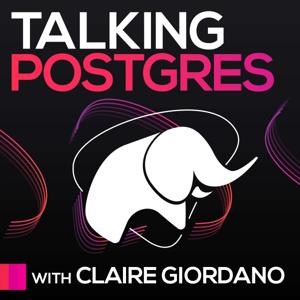

Why would anyone willingly spend weeks chasing a slow query, knowing they might hit dead ends along the way? In Episode 36 of Talking Postgres, Tomas Vondra—Postgres committer and long‑time performance contributor—joins Claire to explain why hacking on Postgres performance is not just hard, but also fun. We dig into the process of investigating why queries are slow, how iteration and “wrong turns” are part of performance work, and why Tomas prefers meaningful performance puzzles over toy problems. Along the way, we talk about using benchmarks to build an understanding of a problem. Tomas also shares how even small changes in code can have outsized impact when that code is used a lot, and how the mathematics embedded in the Postgres query planner/executor makes the work especially rewarding.
Previously on Talking Postgres:
Links mentioned in this episode:
 View all episodes
 By Microsoft
5
66 ratings
Why would anyone willingly spend weeks chasing a slow query, knowing they might hit dead ends along the way? In Episode 36 of Talking Postgres, Tomas Vondra—Postgres committer and long‑time performance contributor—joins Claire to explain why hacking on Postgres performance is not just hard, but also fun. We dig into the process of investigating why queries are slow, how iteration and “wrong turns” are part of performance work, and why Tomas prefers meaningful performance puzzles over toy problems. Along the way, we talk about using benchmarks to build an understanding of a problem. Tomas also shares how even small changes in code can have outsized impact when that code is used a lot, and how the mathematics embedded in the Postgres query planner/executor makes the work especially rewarding.
Previously on Talking Postgres:
Links mentioned in this episode:
289 Listeners
626 Listeners
583 Listeners

213 Listeners
982 Listeners
188 Listeners
12 Listeners
181 Listeners
139 Listeners

65 Listeners

21 Listeners

143 Listeners

101 Listeners

226 Listeners
142 Listeners