Zohran Mamdani Biography Flash a weekly Biography.
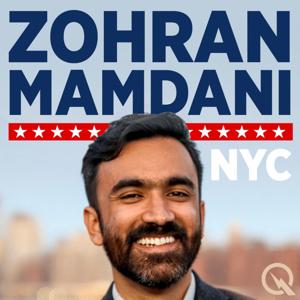
As of October 1, Zohran Mamdani’s most consequential new move is his administration’s first citywide Strategy to Combat Antisemitism. According to the New York City Mayor’s Office and ABC News, the plan increases security funding for synagogues and other houses of worship, expands Jewish history education, strengthens coordination against hate crimes, and promises greater engagement with Jewish New Yorkers. Critics say it does not directly address anti Israel rhetoric, while supporters point to a significant shift from campaign controversy toward governing responsibility.
This week, Mamdani followed the announcement with a highly symbolic Crown Heights visit. CrownHeights.info reports that he stopped at two Sukkahs, including the home of Devorah Halberstam, whose son Ari was killed in the 1994 Brooklyn Bridge terrorist attack, and Rabbi Yaacov Behrman’s Sukkah. The appearances placed the mayor directly inside a Jewish community that has sharply debated his views on Israel and antisemitism.
His administration also announced new funding for public housing. Daily Kos reports that Mamdani secured 607 million dollars to modernize Nostrand Houses in Sheepshead Bay, Brooklyn, presenting the project as part of his block by block affordable housing agenda. He defended a proposed tax surcharge on New York homes worth more than five million dollars, despite lawsuits challenging it.
On October 1, Columbia Spectator reported that the city threatened prompt legal action against Columbia University unless its campus gates are reopened to the public. The dispute could become a lasting test of Mamdani’s willingness to confront powerful institutions.
The mayor also remained a prolific performer on television and social media. He appeared on Jimmy Kimmel Live, where NBC New York says he discussed city run grocery stores, public bathrooms, Parents Night Out, sewer problems, and his unexpectedly friendly working relationship with President Donald Trump. Mamdani said he and Trump communicate from time to time about issues including Sunnyside Yard, but he refused Kimmel’s request to text Trump a selfie.
Earlier, Reuters documented Mamdani’s star turn during United Nations week, including subway travel with Ireland’s prime minister, a soccer jersey exchange with Brazil’s president, and meetings with European and Caribbean leaders. Reuters also reported his continuing public clash with Israeli Prime Minister Benjamin Netanyahu, after Mamdani accused Netanyahu of genocide and Netanyahu attacked Mamdani during his United Nations speech.
Some commentary, including the New York Post, characterizes Mamdani’s polished videos as an influencer act. That is opinion, not verified evidence of misconduct, though his olive tree video with Palestinian families and several high production city announcements clearly show social media becoming central to his political brand.
Thank you for listening. Please subscribe so you never miss an update on Zohran Mamdani, and search Biography Flash for more great biographies. Thanks for listening. This has been a Quiet Please production.
Get the best deals https://amzn.to/3ODvOta