
Sign up to save your podcasts
Or


Text me what you thought of the show 😊
Shift work disrupts our natural circadian rhythms, but with the right strategies, we can protect our health and energy while finding better work-life balance. I share eight practical tips to help shift workers not just survive but thrive, based on almost four decades of experience.
• Set a consistent sleep schedule with regular wake-up times, even on days off
• Create a bedroom environment that's dark, quiet, and cool (15-20°C) using blackout curtains or sleep masks
• Avoid caffeine after midnight on night shifts or after midday at other times
• Remember alcohol and nicotine negatively impact sleep quality despite feeling relaxing
• Exercise regularly but avoid vigorous activity within 3-4 hours of bedtime
• Make deliberate efforts to stay connected with friends and family outside your workplace
• Master the 20-30 minute power nap without falling into deep sleep
• Use natural light exposure strategically and consider blue light blocking glasses
• Establish relationships with healthcare providers before you're struggling
Don't forget to share this episode with your workmates or anyone navigating shift work. For more resources, visit ahealthyshift.com where you can also join the Shift Workers Collective, our subscription-based community where we support each other 24-7.
Support the show
----------------------------
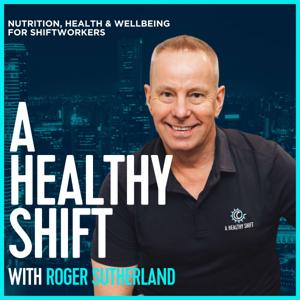
Roger Sutherland is Australia's Night Shift & Sleep Specialist and the founder of A Healthy Shift.
After more than 40 years working rotating shifts with Victoria Police, Roger now helps organisations reduce fatigue risk, improve staff wellbeing and build healthier, safer and higher-performing 24/7 workplaces through evidence-based education, circadian biology and the Shift Work Champions™ Framework.
Shift Work Champions™: https://join.ahealthyshift.com/shift-work-capability
Website: https://ahealthyshift.com.au
LinkedIn: https://www.linkedin.com/in/roger-sutherland
Instagram: @a_healthy_shift
___________________
Disclaimer: Roger Sutherland is not a doctor or a medical professional. Always consult a physician before implementing any strategies mentioned in this podcast. Use of this information is strictly at your own risk. Roger Sutherland will not assume any liability for direct or indirect losses or damages that may result from the use of the information contained in this podcast, including but not limited to economic loss, injury, illness, or death.
_______________________
 View all episodes
 By Roger Sutherland | Founder, A Healthy Shift | Night Shift & Sleep Specialist | Shift Work Educator
5
1212 ratings
Text me what you thought of the show 😊
Shift work disrupts our natural circadian rhythms, but with the right strategies, we can protect our health and energy while finding better work-life balance. I share eight practical tips to help shift workers not just survive but thrive, based on almost four decades of experience.
• Set a consistent sleep schedule with regular wake-up times, even on days off
• Create a bedroom environment that's dark, quiet, and cool (15-20°C) using blackout curtains or sleep masks
• Avoid caffeine after midnight on night shifts or after midday at other times
• Remember alcohol and nicotine negatively impact sleep quality despite feeling relaxing
• Exercise regularly but avoid vigorous activity within 3-4 hours of bedtime
• Make deliberate efforts to stay connected with friends and family outside your workplace
• Master the 20-30 minute power nap without falling into deep sleep
• Use natural light exposure strategically and consider blue light blocking glasses
• Establish relationships with healthcare providers before you're struggling
Don't forget to share this episode with your workmates or anyone navigating shift work. For more resources, visit ahealthyshift.com where you can also join the Shift Workers Collective, our subscription-based community where we support each other 24-7.
Support the show
----------------------------
Roger Sutherland is Australia's Night Shift & Sleep Specialist and the founder of A Healthy Shift.
After more than 40 years working rotating shifts with Victoria Police, Roger now helps organisations reduce fatigue risk, improve staff wellbeing and build healthier, safer and higher-performing 24/7 workplaces through evidence-based education, circadian biology and the Shift Work Champions™ Framework.
Shift Work Champions™: https://join.ahealthyshift.com/shift-work-capability
Website: https://ahealthyshift.com.au
LinkedIn: https://www.linkedin.com/in/roger-sutherland
Instagram: @a_healthy_shift
___________________
Disclaimer: Roger Sutherland is not a doctor or a medical professional. Always consult a physician before implementing any strategies mentioned in this podcast. Use of this information is strictly at your own risk. Roger Sutherland will not assume any liability for direct or indirect losses or damages that may result from the use of the information contained in this podcast, including but not limited to economic loss, injury, illness, or death.
_______________________

78,636 Listeners
8,914 Listeners

570 Listeners

69,540 Listeners

136 Listeners

42 Listeners

29 Listeners

2,040 Listeners

186 Listeners

13,636 Listeners

211 Listeners

239 Listeners

1,211 Listeners

3 Listeners