
Sign up to save your podcasts
Or

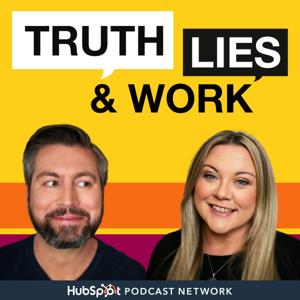

Welcome to Truth, Lies and Work, the award-winning podcast where behavioural science meets workplace culture, brought to you by the HubSpot Podcast Network.
In this episode of This Week in Work, Al and Leanne dive into a massive career longevity study, a leaked corporate memo from Microsoft, the sudden collapse of a 50-year-old hiring ritual, and the surprising psychological impact of the "good old days."
📰 The News Round-Up
The Rise of "Stalling Out" in Mid-CareerInside
New research from the Burning Glass Institute and NYU reveals a hidden crisis: stalling out. This happens when a professional goes five or more years without a meaningful promotion and experiences little to no wage growth. The study analyzed over 1.3 million career histories and found that nearly 1 in 4 mid-career professionals (24.2%) are completely stuck.
Read the full study in the Wall Street Journal: https://www.wsj.com/lifestyle/careers/white-collar-workers-career-nyu-study-a81a7d9c
Microsoft’s Leaked Employee Engagement Survey
Thanks to an internal memo leaked to Business Insider, we get a rare sneak peek into employee sentiment at Microsoft. While their overall "Thriving" score hit a healthy 79%, critical management metrics took a significant hit. The score for managers coaching employees fell five points to 76%, and giving clear feedback fell four points to 79%.
Read the leaked memo details on Business Insider: https://www.businessinsider.com/microsoft-surveys-employees-sentiment-memo-2026-6
The Death of the Technical Interview
For 35 years, tech giants like Google and Amazon have relied on grueling, whiteboard-based technical interviews. Now, Steve Yegge—the legendary senior engineer who helped build these systems—declares them completely broken. Internal data showed interview scores had almost zero correlation with actual on-the-job performance.
🧠 Truth or Lie: Can Nostalgia Make Teams Stronger?
Is looking back holding your company back, or is it a secret leadership superpower? Leanne puts "organisational nostalgia" under the psychological microscope.
The Case For: Peer-reviewed research from 2024 tracking over 3,800 employees found that during massive organizational change, employees who felt higher workplace nostalgia became better colleagues.
The Case Against: When nostalgia occurs naturally during the workday, it can make employees distracted, reduce daily task performance, and trigger lower daily well-being.
The Verdict: It's a conditional truth. Nostalgia is a powerful tool for resilience during major organisational shakeups, but leaders must use it intentionally.
🏥 The Workplace Surgery
Question 1 (Introverted Recognition): Most of my team are introverted. If I praise them publicly, they look like they want the ground to swallow them up. How do you make people feel valued without making it awkward?
Question 2 (Financial Anxiety): I get the feeling my team are carrying a lot of anxiety about the economy and layoffs. Should managers acknowledge that sort of thing, or is it better not to open a conversation you can't really solve?
Question 3 (Handling Unpopular Corporate Mandates): Our company has just mandated more days in the office and my team are not happy. How do you handle that as a manager when you end up being the face of a decision you had no say in?
📬 Connect with Al & Leanne
Mental health support
 View all episodes
 By HubSpot Podcast Network
5
3333 ratings
Welcome to Truth, Lies and Work, the award-winning podcast where behavioural science meets workplace culture, brought to you by the HubSpot Podcast Network.
In this episode of This Week in Work, Al and Leanne dive into a massive career longevity study, a leaked corporate memo from Microsoft, the sudden collapse of a 50-year-old hiring ritual, and the surprising psychological impact of the "good old days."
📰 The News Round-Up
The Rise of "Stalling Out" in Mid-CareerInside
New research from the Burning Glass Institute and NYU reveals a hidden crisis: stalling out. This happens when a professional goes five or more years without a meaningful promotion and experiences little to no wage growth. The study analyzed over 1.3 million career histories and found that nearly 1 in 4 mid-career professionals (24.2%) are completely stuck.
Read the full study in the Wall Street Journal: https://www.wsj.com/lifestyle/careers/white-collar-workers-career-nyu-study-a81a7d9c
Microsoft’s Leaked Employee Engagement Survey
Thanks to an internal memo leaked to Business Insider, we get a rare sneak peek into employee sentiment at Microsoft. While their overall "Thriving" score hit a healthy 79%, critical management metrics took a significant hit. The score for managers coaching employees fell five points to 76%, and giving clear feedback fell four points to 79%.
Read the leaked memo details on Business Insider: https://www.businessinsider.com/microsoft-surveys-employees-sentiment-memo-2026-6
The Death of the Technical Interview
For 35 years, tech giants like Google and Amazon have relied on grueling, whiteboard-based technical interviews. Now, Steve Yegge—the legendary senior engineer who helped build these systems—declares them completely broken. Internal data showed interview scores had almost zero correlation with actual on-the-job performance.
🧠 Truth or Lie: Can Nostalgia Make Teams Stronger?
Is looking back holding your company back, or is it a secret leadership superpower? Leanne puts "organisational nostalgia" under the psychological microscope.
The Case For: Peer-reviewed research from 2024 tracking over 3,800 employees found that during massive organizational change, employees who felt higher workplace nostalgia became better colleagues.
The Case Against: When nostalgia occurs naturally during the workday, it can make employees distracted, reduce daily task performance, and trigger lower daily well-being.
The Verdict: It's a conditional truth. Nostalgia is a powerful tool for resilience during major organisational shakeups, but leaders must use it intentionally.
🏥 The Workplace Surgery
Question 1 (Introverted Recognition): Most of my team are introverted. If I praise them publicly, they look like they want the ground to swallow them up. How do you make people feel valued without making it awkward?
Question 2 (Financial Anxiety): I get the feeling my team are carrying a lot of anxiety about the economy and layoffs. Should managers acknowledge that sort of thing, or is it better not to open a conversation you can't really solve?
Question 3 (Handling Unpopular Corporate Mandates): Our company has just mandated more days in the office and my team are not happy. How do you handle that as a manager when you end up being the face of a decision you had no say in?
📬 Connect with Al & Leanne
Mental health support
85 Listeners

1,920 Listeners
342 Listeners
287 Listeners

8,748 Listeners

3,767 Listeners

942 Listeners

1,215 Listeners

133 Listeners

317 Listeners
918 Listeners

54 Listeners
126 Listeners

272 Listeners