
Sign up to save your podcasts
Or


Text me what you thought of the show 😊
The hardest part of night shift might not be the shift itself—it’s the sunrise on the drive home.
A lot of shift workers hear “get morning sunlight” and assume more light is always better. But after a night shift, that same morning light can push your body into full daytime mode and make sleep almost impossible.
In this episode, I break down what’s actually happening in your body and why blue light plays such a big role in post-shift sleep disruption.
• Why morning sunlight can make daytime sleep harder after night shift
• What blue light does to your brain and circadian rhythm
• How special eye cells called ipRGCs signal wakefulness to your body clock
• Why melatonin drops and alertness rises after light exposure
• Why sleep after night shift becomes lighter and easier to interrupt
• How orange lens blue light blocking glasses can help protect daytime sleep
• When to put blue blockers on for the best effect
• Why cheap “blue filter” glasses often don’t work properly
• Why cloudy mornings still expose you to strong blue light
• How screens, TVs, and bright LEDs can keep your brain switched on
• Practical ways to improve sleep, energy, and recovery after nights
If you want better daytime sleep and a routine that actually works with night shift, this episode will help.
If it helped, subscribe, share it with someone working nights, and leave a rating and review so more shift workers can find the support they should’ve been taught from the beginning.
Support the show
----------------------------
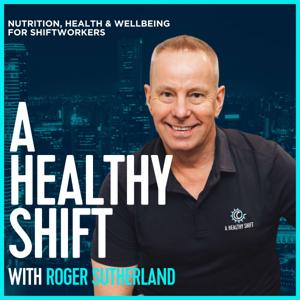
Roger Sutherland is Australia's Night Shift & Sleep Specialist and the founder of A Healthy Shift.
After more than 40 years working rotating shifts with Victoria Police, Roger now helps organisations reduce fatigue risk, improve staff wellbeing and build healthier, safer and higher-performing 24/7 workplaces through evidence-based education, circadian biology and the Shift Work Champions™ Framework.
Shift Work Champions™: https://join.ahealthyshift.com/shift-work-capability
Website: https://ahealthyshift.com.au
LinkedIn: https://www.linkedin.com/in/roger-sutherland
Instagram: @a_healthy_shift
___________________
Disclaimer: Roger Sutherland is not a doctor or a medical professional. Always consult a physician before implementing any strategies mentioned in this podcast. Use of this information is strictly at your own risk. Roger Sutherland will not assume any liability for direct or indirect losses or damages that may result from the use of the information contained in this podcast, including but not limited to economic loss, injury, illness, or death.
_______________________
 View all episodes
 By Roger Sutherland | Founder, A Healthy Shift | Night Shift & Sleep Specialist | Shift Work Educator
5
1212 ratings
Text me what you thought of the show 😊
The hardest part of night shift might not be the shift itself—it’s the sunrise on the drive home.
A lot of shift workers hear “get morning sunlight” and assume more light is always better. But after a night shift, that same morning light can push your body into full daytime mode and make sleep almost impossible.
In this episode, I break down what’s actually happening in your body and why blue light plays such a big role in post-shift sleep disruption.
• Why morning sunlight can make daytime sleep harder after night shift
• What blue light does to your brain and circadian rhythm
• How special eye cells called ipRGCs signal wakefulness to your body clock
• Why melatonin drops and alertness rises after light exposure
• Why sleep after night shift becomes lighter and easier to interrupt
• How orange lens blue light blocking glasses can help protect daytime sleep
• When to put blue blockers on for the best effect
• Why cheap “blue filter” glasses often don’t work properly
• Why cloudy mornings still expose you to strong blue light
• How screens, TVs, and bright LEDs can keep your brain switched on
• Practical ways to improve sleep, energy, and recovery after nights
If you want better daytime sleep and a routine that actually works with night shift, this episode will help.
If it helped, subscribe, share it with someone working nights, and leave a rating and review so more shift workers can find the support they should’ve been taught from the beginning.
Support the show
----------------------------
Roger Sutherland is Australia's Night Shift & Sleep Specialist and the founder of A Healthy Shift.
After more than 40 years working rotating shifts with Victoria Police, Roger now helps organisations reduce fatigue risk, improve staff wellbeing and build healthier, safer and higher-performing 24/7 workplaces through evidence-based education, circadian biology and the Shift Work Champions™ Framework.
Shift Work Champions™: https://join.ahealthyshift.com/shift-work-capability
Website: https://ahealthyshift.com.au
LinkedIn: https://www.linkedin.com/in/roger-sutherland
Instagram: @a_healthy_shift
___________________
Disclaimer: Roger Sutherland is not a doctor or a medical professional. Always consult a physician before implementing any strategies mentioned in this podcast. Use of this information is strictly at your own risk. Roger Sutherland will not assume any liability for direct or indirect losses or damages that may result from the use of the information contained in this podcast, including but not limited to economic loss, injury, illness, or death.
_______________________
78,636 Listeners
8,914 Listeners
570 Listeners
69,540 Listeners

136 Listeners
42 Listeners

29 Listeners

2,040 Listeners

186 Listeners
13,636 Listeners
211 Listeners
239 Listeners
1,211 Listeners
3 Listeners