
Sign up to save your podcasts
Or

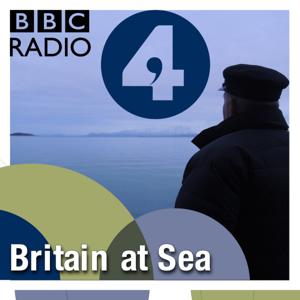

Lord West looks at how the Royal Navy won the First World War.
The Royal Navy's role in winning the conflict has often been overlooked - drowned out by the new and savage reality of industrial warfare on the western front, and the tragic romance of the imagery and war poetry which surrounded it.
Yet the Navy's role should not be underestimated, and in this programme Lord West looks at the greatest naval battle of the war - Jutland - and its dramatic impact on the war.
Jutland was a great strategic victory for the Royal Navy, but largely because of truly terrible PR afterwards, many to this day regard it as a defeat. It was part of the reason for the growing disconnect between the nation and its navy.
Yet the outcome of Jutland influenced more than just public sentiment. It forced the German military to confront the reality of their situation: that the Royal Navy's blockade could not be broken by their own fleet, and would in time strangle Germany into submission.
The result was unrestricted submarine warfare: Germany's only chance of victory, but itself carrying the risk of bringing the United States of America into the war on the Allied side.
When the USA did join the war, troops poured into Europe, but the most significant impact was on that three year old blockade, tightening it to a point that strangled Germany and won the war for the Allies.
Producer: Giles Edwards
First broadcast on BBC Radio 4 in June 2014.
 View all episodes
 By BBC Radio 4 Extra

4.8
1212 ratings
Lord West looks at how the Royal Navy won the First World War.
The Royal Navy's role in winning the conflict has often been overlooked - drowned out by the new and savage reality of industrial warfare on the western front, and the tragic romance of the imagery and war poetry which surrounded it.
Yet the Navy's role should not be underestimated, and in this programme Lord West looks at the greatest naval battle of the war - Jutland - and its dramatic impact on the war.
Jutland was a great strategic victory for the Royal Navy, but largely because of truly terrible PR afterwards, many to this day regard it as a defeat. It was part of the reason for the growing disconnect between the nation and its navy.
Yet the outcome of Jutland influenced more than just public sentiment. It forced the German military to confront the reality of their situation: that the Royal Navy's blockade could not be broken by their own fleet, and would in time strangle Germany into submission.
The result was unrestricted submarine warfare: Germany's only chance of victory, but itself carrying the risk of bringing the United States of America into the war on the Allied side.
When the USA did join the war, troops poured into Europe, but the most significant impact was on that three year old blockade, tightening it to a point that strangled Germany and won the war for the Allies.
Producer: Giles Edwards
First broadcast on BBC Radio 4 in June 2014.

7,639 Listeners

1,046 Listeners

5,520 Listeners

1,799 Listeners
1,252 Listeners

1,763 Listeners

1,049 Listeners

1,920 Listeners
75 Listeners

4,785 Listeners

757 Listeners

177 Listeners

468 Listeners

1,425 Listeners

4,159 Listeners

3,177 Listeners
584 Listeners
5,232 Listeners

15,592 Listeners

68 Listeners

2,857 Listeners

3,336 Listeners
339 Listeners

797 Listeners

1,092 Listeners