
Sign up to save your podcasts
Or

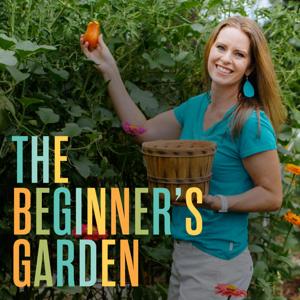

Companion planting can feel confusing fast. Charts, rules, and exceptions make it hard to know what really works. But what if you already understand companion planting better than you think? The foods you naturally cook together often grow well together, too.
In this episode, I share a simple way to think about companion planting by looking at familiar kitchen pairings. Tomatoes and basil. Onions and peppers. Carrots and celery. When you connect what belongs together on your plate with what thrives together in the garden, companion planting starts to feel intuitive instead of overwhelming.
free download: The Beginner's Garden Resource Vault Get complimentary access to a library of printable charts, guides, and tools to help you grow food with less overwhelm. 👉 http://journeywithjill.net/free-garden-downloads
Key TakeawaysWhy familiar food pairings often translate to successful garden companions
How cool-season and warm-season crops affect timing and placement
Practical examples of companion planting that actually work
Which plant pairings to avoid and why
How to simplify garden planning without memorizing charts
Beginner's Garden Resource Vault (free): http://journeywithjill.net/free-garden-downloads
Friday Emails (newsletter): https://journeywithjill.net/gardensignup
Recommended Brands & Products: https://journeywithjill.net/recommended-brands-and-products/
Complete Garden Planner: https://shop.journeywithjill.net/
Organic Rev I use Organic Rev to support strong roots and healthy soil. Use code JILL10 for 10% off. 👉 http://journeywithjill.net/organicrev As an affiliate, I earn from qualifying purchases.
DisclaimerGardening advice shared in this podcast is based on my own experience in Zone 8a (Arkansas) and from the feedback I receive from others in different gardening contexts. Your results may differ depending on your location, climate, and growing conditions. Always check your local extension service or trusted resources for region-specific guidance.
Some links mentioned may be affiliate links, which means I earn a small commission at no extra cost to you if you make a purchase. As an Amazon Associate, I earn from qualifying purchases.
 View all episodes
 By Jill McSheehy

4.7
786786 ratings
Companion planting can feel confusing fast. Charts, rules, and exceptions make it hard to know what really works. But what if you already understand companion planting better than you think? The foods you naturally cook together often grow well together, too.
In this episode, I share a simple way to think about companion planting by looking at familiar kitchen pairings. Tomatoes and basil. Onions and peppers. Carrots and celery. When you connect what belongs together on your plate with what thrives together in the garden, companion planting starts to feel intuitive instead of overwhelming.
free download: The Beginner's Garden Resource Vault Get complimentary access to a library of printable charts, guides, and tools to help you grow food with less overwhelm. 👉 http://journeywithjill.net/free-garden-downloads
Key TakeawaysWhy familiar food pairings often translate to successful garden companions
How cool-season and warm-season crops affect timing and placement
Practical examples of companion planting that actually work
Which plant pairings to avoid and why
How to simplify garden planning without memorizing charts
Beginner's Garden Resource Vault (free): http://journeywithjill.net/free-garden-downloads
Friday Emails (newsletter): https://journeywithjill.net/gardensignup
Recommended Brands & Products: https://journeywithjill.net/recommended-brands-and-products/
Complete Garden Planner: https://shop.journeywithjill.net/
Organic Rev I use Organic Rev to support strong roots and healthy soil. Use code JILL10 for 10% off. 👉 http://journeywithjill.net/organicrev As an affiliate, I earn from qualifying purchases.
DisclaimerGardening advice shared in this podcast is based on my own experience in Zone 8a (Arkansas) and from the feedback I receive from others in different gardening contexts. Your results may differ depending on your location, climate, and growing conditions. Always check your local extension service or trusted resources for region-specific guidance.
Some links mentioned may be affiliate links, which means I earn a small commission at no extra cost to you if you make a purchase. As an Amazon Associate, I earn from qualifying purchases.
971 Listeners
690 Listeners
1,583 Listeners
403 Listeners
1,870 Listeners
881 Listeners
1,788 Listeners
202 Listeners
262 Listeners
158 Listeners
1,027 Listeners
389 Listeners
60 Listeners
133 Listeners

93 Listeners