
Sign up to save your podcasts
Or



Kathleen, who's now 92, was a nurse during the years of violence that followed the march
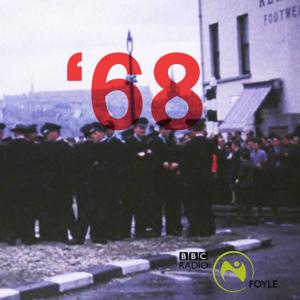
’68 is a new BBC Radio Foyle series marking the 50th anniversary of the start of the Troubles.
Most historians agree that if the start of the Troubles can be traced to one time and place, it is the civil rights march on Duke Street in Londonderry on the 5th October 1968. The demonstration had been banned by the government and when it went ahead police turned water cannon on the protestors and beat them with batons. Footage was beamed around the world – and in the space of a few hours life in Northern Ireland changed utterly.
To mark its 50th anniversary, BBC Radio Foyle captures eyewitness accounts from people who were on the march, those who were opposed, and those who remember conditions and the atmosphere in Derry in the weeks beforehand.
Each episode tells a different story from a different perspective, providing an invaluable oral history archive of this key moment in our shared history.
James was 13 when the march happened. He describes how the aftermath changed the course of life, as he joined a paramilitary organisation called the Ulster Defence Association.
’68 is a new BBC Radio Foyle series marking the 50th anniversary of the start of the Troubles.
Most historians agree that if the start of the Troubles can be traced to one time and place, it is the civil rights march on Duke Street in Londonderry on the 5th October 1968. The demonstration had been banned by the government and when it went ahead police turned water cannon on the protestors and beat them with batons. Footage was beamed around the world – and in the space of a few hours life in Northern Ireland changed utterly.
To mark its 50th anniversary, BBC Radio Foyle captures eyewitness accounts from people who were on the march, those who were opposed, and those who remember conditions and the atmosphere in Derry in the weeks beforehand.
Each episode tells a different story from a different perspective, providing an invaluable oral history archive of this key moment in our shared history.
Martin was a young reporter with a local newspaper and attended the march. He describes the atmosphere in the city and what happened next.
’68 is a new BBC Radio Foyle series marking the 50th anniversary of the start of the Troubles.
Most historians agree that if the start of the Troubles can be traced to one time and place, it is the civil rights march on Duke Street in Londonderry on the 5th October 1968. The demonstration had been banned by the government and when it went ahead police turned water cannon on the protestors and beat them with batons. Footage was beamed around the world – and in the space of a few hours life in Northern Ireland changed utterly.
To mark its 50th anniversary, BBC Radio Foyle captures eyewitness accounts from people who were on the march, those who were opposed, and those who remember conditions and the atmosphere in Derry in the weeks beforehand.
Each episode tells a different story from a different perspective, providing an invaluable oral history archive of this key moment in our shared history.
Hazel grew up in the mostly Protestant Fountain housing estate. She reflects on what went wrong in the years after the march.
’68 is a new BBC Radio Foyle series marking the 50th anniversary of the start of the Troubles.
Most historians agree that if the start of the Troubles can be traced to one time and place, it is the civil rights march on Duke Street in Londonderry on the 5th October 1968. The demonstration had been banned by the government and when it went ahead police turned water cannon on the protestors and beat them with batons. Footage was beamed around the world – and in the space of a few hours life in Northern Ireland changed utterly.
To mark its 50th anniversary, BBC Radio Foyle captures eyewitness accounts from people who were on the march, those who were opposed, and those who remember conditions and the atmosphere in Derry in the weeks beforehand.
Each episode tells a different story from a different perspective, providing an invaluable oral history archive of this key moment in our shared history.
Michael went to the march, but his friend Cathal wasn't born until 20 years later. They discuss the achievements of civil rights.
’68 is a new BBC Radio Foyle series marking the 50th anniversary of the start of the Troubles.
Most historians agree that if the start of the Troubles can be traced to one time and place, it is the civil rights march on Duke Street in Londonderry on the 5th October 1968. The demonstration had been banned by the government and when it went ahead police turned water cannon on the protestors and beat them with batons. Footage was beamed around the world – and in the space of a few hours life in Northern Ireland changed utterly.
To mark its 50th anniversary, BBC Radio Foyle captures eyewitness accounts from people who were on the march, those who were opposed, and those who remember conditions and the atmosphere in Derry in the weeks beforehand.
Each episode tells a different story from a different perspective, providing an invaluable oral history archive of this key moment in our shared history.
Sisters Isabel and Anne grew up in the city centre. They recall the first time they saw guns on the streets.
'68 is a new BBC Radio Foyle series marking the 50th anniversary of the start of the Troubles. Most historians agree that if the start of the Troubles can be traced to one time and place, it is the civil rights march on Duke Street in Londonderry on the 5th October 1968. The demonstration had been banned by the government and when it went ahead police turned water cannon on the protestors and beat them with batons. Footage was beamed around the world – and in the space of a few hours life in Northern Ireland changed utterly. To mark its 50th anniversary, BBC Radio Foyle captures eyewitness accounts from people who were on the march, those who were opposed, and those who remember conditions and the atmosphere in Derry in the weeks beforehand. Each episode tells a different story from a different perspective, providing an invaluable oral history archive of this key moment in our shared history.
Willie was a young man in 1968. He recalls life in a working-class Protestant community.
'68 is a new BBC Radio Foyle series marking the 50th anniversary of the start of the Troubles. Most historians agree that if the start of the Troubles can be traced to one time and place, it is the civil rights march on Duke Street in Londonderry on the 5th October 1968. The demonstration had been banned by the government and when it went ahead police turned water cannon on the protestors and beat them with batons. Footage was beamed around the world – and in the space of a few hours life in Northern Ireland changed utterly. To mark its 50th anniversary, BBC Radio Foyle captures eyewitness accounts from people who were on the march, those who were opposed, and those who remember conditions and the atmosphere in Derry in the weeks beforehand. Each episode tells a different story from a different perspective, providing an invaluable oral history archive of this key moment in our shared history.
Hugo and Willie grew up in poverty in the 1960s. They recall how the demand for better housing shaped the civil rights movement.
'68 is a new BBC Radio Foyle series marking the 50th anniversary of the start of the Troubles. Most historians agree that if the start of the Troubles can be traced to one time and place, it is the civil rights march on Duke Street in Londonderry on the 5th October 1968. The demonstration had been banned by the government and when it went ahead police turned water cannon on the protestors and beat them with batons. Footage was beamed around the world – and in the space of a few hours life in Northern Ireland changed utterly. To mark its 50th anniversary, BBC Radio Foyle captures eyewitness accounts from people who were on the march, those who were opposed, and those who remember conditions and the atmosphere in Derry in the weeks beforehand. Each episode tells a different story from a different perspective, providing an invaluable oral history archive of this key moment in our shared history.
Billy and Rachelle were children when the Duke Street march happened, but say the consequences of it rippled throughout their lives.
'68 is a new BBC Radio Foyle series marking the 50th anniversary of the start of the Troubles. Most historians agree that if the start of the Troubles can be traced to one time and place, it is the civil rights march on Duke Street in Londonderry on the 5th October 1968. The demonstration had been banned by the government and when it went ahead police turned water cannon on the protestors and beat them with batons. Footage was beamed around the world – and in the space of a few hours life in Northern Ireland changed utterly. To mark its 50th anniversary, BBC Radio Foyle captures eyewitness accounts from people who were on the march, those who were opposed, and those who remember conditions and the atmosphere in Derry in the weeks beforehand. Each episode tells a different story from a different perspective, providing an invaluable oral history archive of this key moment in our shared history.
'68 is a new BBC Radio Foyle series marking the 50th anniversary of the start of the Troubles. Most historians agree that if the start of the Troubles can be traced to one time and place, it is the civil rights march on Duke Street in Londonderry on the 5th October 1968. The demonstration had been banned by the government and when it went ahead police turned water cannon on the protestors and beat them with batons. Footage was beamed around the world – and in the space of a few hours life in Northern Ireland changed utterly. To mark its 50th anniversary, BBC Radio Foyle captures eyewitness accounts from people who were on the march, those who were opposed, and those who remember conditions and the atmosphere in Derry in the weeks beforehand. Each episode tells a different story from a different perspective, providing an invaluable oral history archive of this key moment in our shared history.
From the publisher's feed
’68 is a BBC Radio Foyle series marking the 50th anniversary of the start of the Troubles.
Each episode tells a different story from a different perspective, providing an invaluable oral…

7,574 Listeners

1,043 Listeners

5,492 Listeners

1,795 Listeners

1,826 Listeners

1,035 Listeners

1,958 Listeners

810 Listeners

4,186 Listeners

3,212 Listeners