
Sign up to save your podcasts
Or

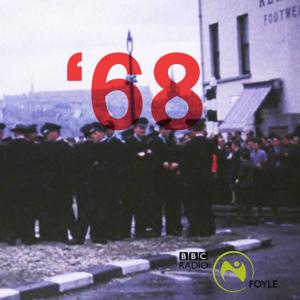


Friends Ruby and Ann were young women living in the Bogside. They recall how their quiet streets became places of conflict. ’68 is a new BBC Radio Foyle series marking the 50th anniversary of the start of the Troubles. Most historians agree that if the start of the Troubles can be traced to one time and place, it is the civil rights march on Duke Street in Londonderry on the 5th October 1968. The demonstration had been banned by the government and when it went ahead police turned water cannon on the protestors and beat them with batons. Footage was beamed around the world – and in the space of a few hours life in Northern Ireland changed utterly. To mark its 50th anniversary, BBC Radio Foyle captures eye-witness accounts from people who were on the march, those who were opposed, and those who remember conditions and the atmosphere in Derry in the weeks beforehand. Each episode tells a different story from a different perspective, providing an invaluable oral history archive of this key moment in our shared history.
Ken was 18 when the march happened. He reflects on how the city became divided in the aftermath of the march.
’68 is a new BBC Radio Foyle series marking the 50th anniversary of the start of the Troubles. Most historians agree that if the start of the Troubles can be traced to one time and place, it is the civil rights march on Duke Street in Londonderry on the 5th October 1968. The demonstration had been banned by the government and when it went ahead police turned water cannon on the protestors and beat them with batons. Footage was beamed around the world – and in the space of a few hours life in Northern Ireland changed utterly. To mark its 50th anniversary, BBC Radio Foyle captures eye-witness accounts from people who were on the march, those who were opposed, and those who remember conditions and the atmosphere in Derry in the weeks beforehand. Each episode tells a different story from a different perspective, providing an invaluable oral history archive of this key moment in our shared history.
’68 is a new BBC Radio Foyle series marking the 50th anniversary of the start of the Troubles. Most historians agree that if the start of the Troubles can be traced to one time and place, it is the civil rights march on Duke Street in Londonderry on the 5th October 1968. The demonstration had been banned by the government and when it went ahead police turned water cannon on the protestors and beat them with batons. Footage was beamed around the world – and in the space of a few hours life in Northern Ireland changed utterly. To mark its 50th anniversary, BBC Radio Foyle captures eye-witness accounts from people who were on the march, those who were opposed, and those who remember conditions and the atmosphere in Derry in the weeks beforehand. Each episode tells a different story from a different perspective, providing an invaluable oral history archive of this key moment in our shared history.
Grainne and Michael were students in Belfast and had travelled to Derry to join the march - they recall what they saw that day.
Most historians agree that if the start of the Troubles can be traced to one time and place, it is the civil rights march on Duke Street in Londonderry on the 5th October 1968. The demonstration had been banned by the government and when it went ahead police turned water cannon on the protestors and beat them with batons. Footage was beamed around the world – and in the space of a few hours life in Northern Ireland changed utterly.
To mark its 50th anniversary, BBC Radio Foyle captures eyewitness accounts from people who were on the march, those who were opposed, and those who remember conditions and the atmosphere in Derry in the weeks beforehand.
Each episode tells a different story from a different perspective, providing an invaluable oral history archive of this key moment in our shared history.
Most historians agree that if the start of the Troubles can be traced to one time and place, it is the civil rights march on Duke Street in Londonderry on the 5th October 1968. The demonstration had been banned by the government and when it went ahead police turned water cannon on the protestors and beat them with batons. Footage was beamed around the world – and in the space of a few hours life in Northern Ireland changed utterly.
To mark its 50th anniversary, Enda McClafferty hears eye-witness accounts from people who were on the march, those who were opposed, and those who remember conditions and the atmosphere in Derry in the weeks beforehand.
Bertie recalls the voting system, living conditions in the city, the events of 5th October on Duke Street and the dramatic change that followed.
Most historians agree that if the Troubles started in one time and place, it was the civil rights march on Duke Street in Londonderry on the 5th October 1968. The demonstration had been banned by the government and when it went ahead police turned water cannon on the protestors and beat them with batons. Footage was beamed around the world – and life in Northern Ireland had changed in the space of a few hours.
On the 50th anniversary of the event, BBC Radio Foyle captures a range of witness testimony and reflection from those who were on the march, those who opposed it, and others who remember the build-up to and aftermath of this turning point in our history.
Deirdre was a radiology student when she decided to join the march, and recalls the moment violence broke out.
Most historians agree that if the Troubles started in one time and place, it was the civil rights march on Duke Street in Londonderry on the 5th October 1968. The demonstration had been banned by the government and when it went ahead police turned water cannon on the protestors and beat them with batons. Footage was beamed around the world – and life in Northern Ireland had changed in the space of a few hours.
On the 50th anniversary of the event, BBC Radio Foyle captures a range of witness testimony and reflection from those who were on the march, those who opposed it, and others who remember the build-up to and aftermath of this turning point in our history.
Ruby regrets moving her family home to Derry’s Fountain Estate in 1968, but her son Paul feels she shouldn’t blame herself
Most historians agree that if the Troubles started in one time and place, it was the civil rights march on Duke Street in Londonderry on the 5th October 1968. The demonstration had been banned by the government and when it went ahead police turned water cannon on the protestors and beat them with batons. Footage was beamed around the world – and life in Northern Ireland had changed in the space of a few hours.
On the 50th anniversary of the event, BBC Radio Foyle captures a range of witness testimony and reflection from those who were on the march, those who opposed it, and others who remember the build-up to and aftermath of this turning point in our history.
Three friends, Mildred, Phyllis and Jewel remember watching the march, what happened next and how the city changed in the aftermath.
Most historians agree that if the Troubles started in one time and place, it was the civil rights march on Duke Street in Londonderry on the 5th October 1968. The demonstration had been banned by the government and when it went ahead police turned water cannon on the protestors and beat them with batons. Footage was beamed around the world – and life in Northern Ireland had changed in the space of a few hours.
On the 50th anniversary of the event, BBC Radio Foyle captures a range of witness testimony and reflection from those who were on the march, those who opposed it, and others who remember the build-up to and aftermath of this turning point in our history.
From the publisher's feed
’68 is a BBC Radio Foyle series marking the 50th anniversary of the start of the Troubles.
Each episode tells a different story from a different perspective, providing an invaluable oral…

7,574 Listeners

1,043 Listeners

5,492 Listeners

1,795 Listeners

1,826 Listeners

1,035 Listeners

1,958 Listeners

810 Listeners

4,186 Listeners

3,212 Listeners