
Sign up to save your podcasts
Or

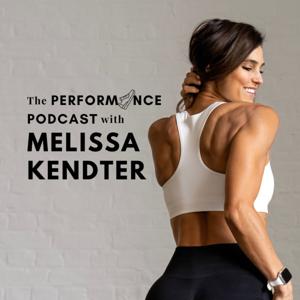

Zone 2 training has taken over the endurance world — but is it actually the key to better performance, or just another fitness trend?
In this episode of The Performance Podcast, we break down the science behind Zone 2 training, aerobic base development, mitochondrial health, and polarized training models. You’ll learn what Zone 2 actually does physiologically, why it improves fat oxidation and metabolic efficiency, and where it fits into a smart endurance training plan.
We dive into research from Dr. Iñigo San Millán, Dr. Stephen Seiler, and foundational studies on mitochondrial adaptation and VO₂ max development, plus real-life examples for runners training for a 5K, half marathon, or marathon.
If you’re wondering:
• Does Zone 2 make you faster?
• Should all your runs be easy?
• Is high-intensity training necessary?
• How much Zone 2 is too much?
• What’s the best balance of easy vs. hard training?
This episode will help you understand how to structure your training for performance, longevity, and sustainable progress.
Whether you're building your aerobic base, chasing a PR, or trying to improve your running economy, this conversation will help you train with more clarity and intention.
🎧 Topics Covered:
What Zone 2 training actually means
Aerobic base vs. speed development
Mitochondrial adaptations explained
Polarized training (80/20 method)
VO₂ max and lactate threshold training
When Zone 2 is essential — and when it’s not enough
Train smarter. Recover better. Perform at your best.
Train with intention on the Commit App 📌
 View all episodes
 By Melissa Kendter

4.8
1818 ratings
Zone 2 training has taken over the endurance world — but is it actually the key to better performance, or just another fitness trend?
In this episode of The Performance Podcast, we break down the science behind Zone 2 training, aerobic base development, mitochondrial health, and polarized training models. You’ll learn what Zone 2 actually does physiologically, why it improves fat oxidation and metabolic efficiency, and where it fits into a smart endurance training plan.
We dive into research from Dr. Iñigo San Millán, Dr. Stephen Seiler, and foundational studies on mitochondrial adaptation and VO₂ max development, plus real-life examples for runners training for a 5K, half marathon, or marathon.
If you’re wondering:
• Does Zone 2 make you faster?
• Should all your runs be easy?
• Is high-intensity training necessary?
• How much Zone 2 is too much?
• What’s the best balance of easy vs. hard training?
This episode will help you understand how to structure your training for performance, longevity, and sustainable progress.
Whether you're building your aerobic base, chasing a PR, or trying to improve your running economy, this conversation will help you train with more clarity and intention.
🎧 Topics Covered:
What Zone 2 training actually means
Aerobic base vs. speed development
Mitochondrial adaptations explained
Polarized training (80/20 method)
VO₂ max and lactate threshold training
When Zone 2 is essential — and when it’s not enough
Train smarter. Recover better. Perform at your best.
Train with intention on the Commit App 📌

1,506 Listeners
465 Listeners
1,344 Listeners

370,237 Listeners
3,797 Listeners

8,042 Listeners
2,109 Listeners

27,828 Listeners
65,516 Listeners

7,581 Listeners

15,482 Listeners

19,736 Listeners

1,788 Listeners
365 Listeners

10,096 Listeners