
Sign up to save your podcasts
Or

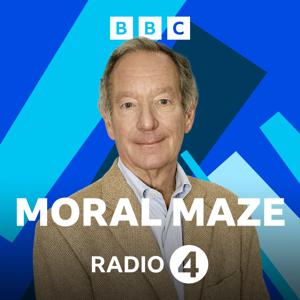

It seems to some that universities, which used to boast that their courses would explore controversial ideas, are nowadays keener to reassure students that they will not be disturbed by anything too worrying. But safe spaces for students make dangerous spaces for dons. Doctors and professors have been subjected to harassment and no-platforming because of their unfashionable opinions on a range of topics including colonialism, transgender rights and abortion. Earlier this year Noah Carl lost his research fellowship at Cambridge (where he was looking into the links between genetics and intelligence) after hundreds of fellow academics signed an open letter accusing him of “racist pseudoscience”. Now a group of academics is ready to launch ‘The Journal of Controversial Ideas’: peer-reviewed research by authors who can choose to remain anonymous because they fear a backlash that could endanger their careers or even their lives. Opponents of the journal say it will provide a safe space for dangerous and offensive ideas published under the cloak of anonymity. Should there be any constraints on the freedom of academics to make discoveries and interpret them as they choose? How should academic research be treated if it is deemed to support theories that are viewed as unacceptable? Do universities have a moral duty to protect and platform views with which the majority disagrees? Or are universities morally entitled to censure or dismiss academics who flout the norms of decency and respect? Is academic freedom genuinely under threat? Featuring Dr Myriam François, Dr Francesca Minerva, Dr Arianne Shahvisi and Dr Joanna Williams.
Producer Dan Tierney.
 View all episodes
 By BBC Radio 4

4.6
5151 ratings
It seems to some that universities, which used to boast that their courses would explore controversial ideas, are nowadays keener to reassure students that they will not be disturbed by anything too worrying. But safe spaces for students make dangerous spaces for dons. Doctors and professors have been subjected to harassment and no-platforming because of their unfashionable opinions on a range of topics including colonialism, transgender rights and abortion. Earlier this year Noah Carl lost his research fellowship at Cambridge (where he was looking into the links between genetics and intelligence) after hundreds of fellow academics signed an open letter accusing him of “racist pseudoscience”. Now a group of academics is ready to launch ‘The Journal of Controversial Ideas’: peer-reviewed research by authors who can choose to remain anonymous because they fear a backlash that could endanger their careers or even their lives. Opponents of the journal say it will provide a safe space for dangerous and offensive ideas published under the cloak of anonymity. Should there be any constraints on the freedom of academics to make discoveries and interpret them as they choose? How should academic research be treated if it is deemed to support theories that are viewed as unacceptable? Do universities have a moral duty to protect and platform views with which the majority disagrees? Or are universities morally entitled to censure or dismiss academics who flout the norms of decency and respect? Is academic freedom genuinely under threat? Featuring Dr Myriam François, Dr Francesca Minerva, Dr Arianne Shahvisi and Dr Joanna Williams.
Producer Dan Tierney.

7,913 Listeners

863 Listeners

1,067 Listeners
159 Listeners

5,576 Listeners

1,808 Listeners

1,729 Listeners

1,018 Listeners
2,113 Listeners

1,952 Listeners
32 Listeners
38 Listeners

428 Listeners
159 Listeners
43 Listeners
75 Listeners
108 Listeners
745 Listeners

3,245 Listeners
779 Listeners
1,010 Listeners
3,858 Listeners
1,314 Listeners
851 Listeners
48 Listeners