
Sign up to save your podcasts
Or

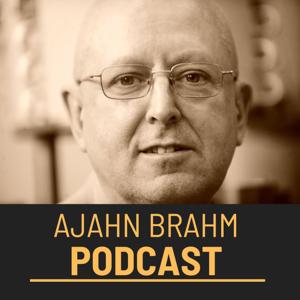


Ajahn Brahm explains that meditation posture has no rigid formula: sit comfortably with a reasonably straight back, using mindfulness and compassion to notice and adjust discomfort rather than forcing the body to remain still. These same qualities help quiet the mind, since kindness toward the present moment creates contentment and reduces restlessness, craving, thoughts, and escape. Regularly recognizing the peace and freedom felt at the end of meditation reinforces the mind’s inclination toward deeper stillness.
---
This guided meditation by Ajahn Brahm was originally recorded in 27th November 2010. It includes a talk about some aspect of meditation followed by a 45 minute guided meditation.
This guided meditation has been remastered and published by the Everyday Dhamma Network, and will be of interest to people who have started meditation but are seeking guidance to take it deeper.
These talks by Ajahn Brahm have been recorded and made available for free distribution by the Buddhist Society of Western Australia under the Creative Commons licence. You can support the Buddhist Society of Western Australia by pledging your support via their Ko-fi page.
This talk explores how to live in the present moment and develop equanimity by releasing attachment to both past suffering and future anxiety. Ajahn Brahm introduces the Buddhist approach of “acknowledge, forgive, and learn,” emphasizing self-forgiveness, letting go of resentment and guilt, and refusing to let others control one’s happiness. Through meditation, mindfulness, and simple practices such as eating one spoonful at a time or treating traffic lights as opportunities to relax, people can become more present.
—
This dhamma talk was originally recorded in 29th May 2026. It has now been remastered and published by the Everyday Dhamma Network, and will be of interest to his many fans.
These talks by Ajahn Brahm have been recorded and made available for free distribution by the Buddhist Society of Western Australia under the Creative Commons licence. You can support the Buddhist Society of Western Australia by pledging your support via their Ko-fi page.
The talk explores emptiness as a Buddhist path to freedom rather than a negative state of loss. By releasing possessions, attachments, past memories, future worries, fixed ideas, and the illusion of a controlling self, people can experience greater peace, clarity, receptivity, and happiness in the present moment. Emptiness is ultimately portrayed as the absence of barriers between oneself and life, symbolized by a driverless bus whose empty seat reveals the nature of non-self.
—
This dhamma talk was originally recorded in 15th May 2009. It has now been remastered and published by the Everyday Dhamma Network, and will be of interest to his many fans.
These talks by Ajahn Brahm have been recorded and made available for free distribution by the Buddhist Society of Western Australia under the Creative Commons licence. You can support the Buddhist Society of Western Australia by pledging your support via their Ko-fi page.
This guided meditation by Ajahn Brahm was originally recorded in 23rd October 2010. It includes a talk about some aspect of meditation followed by a 45 minute guided meditation.
This guided meditation has been remastered and published by the Everyday Dhamma Network, and will be of interest to people who have started meditation but are seeking guidance to take it deeper.
These talks by Ajahn Brahm have been recorded and made available for free distribution by the Buddhist Society of Western Australia under the Creative Commons licence. You can support the Buddhist Society of Western Australia by pledging your support via their Ko-fi page.
Ajahn Brahm reflects on Vesak celebrations in Thailand and argues that goodness, ethical conduct, generosity, forgiveness, and mindfulness are powerful forces capable of addressing individual, political, economic, and global problems. He emphasizes that anger, greed, revenge, and anxiety harm both individuals and society, while self-awareness and compassion can dissolve conflicts and create peace. The talk concludes by urging people to strengthen morality through everyday honesty, fidelity, simplicity, and kindness, prioritizing shared well-being over personal desires.
—
This dhamma talk was originally recorded in 8th May 2009. It has now been remastered and published by the Everyday Dhamma Network, and will be of interest to his many fans.
These talks by Ajahn Brahm have been recorded and made available for free distribution by the Buddhist Society of Western Australia under the Creative Commons licence. You can support the Buddhist Society of Western Australia by pledging your support via their Ko-fi page.
Ajahn Brahm considers the question: Does life suck?
—
This dhamma talk was originally recorded in 1st May 2009. It has now been remastered and published by the Everyday Dhamma Network, and will be of interest to his many fans.
These talks by Ajahn Brahm have been recorded and made available for free distribution by the Buddhist Society of Western Australia under the Creative Commons licence. You can support the Buddhist Society of Western Australia by pledging your support via their Ko-fi page.
This guided meditation by Ajahn Brahm was originally recorded in 22nd May 2010. It includes a talk about some aspect of meditation followed by a 45 minute guided meditation.
This guided meditation has been remastered and published by the Everyday Dhamma Network, and will be of interest to people who have started meditation but are seeking guidance to take it deeper.
These talks by Ajahn Brahm have been recorded and made available for free distribution by the Buddhist Society of Western Australia under the Creative Commons licence. You can support the Buddhist Society of Western Australia by pledging your support via their Ko-fi page.
Ajahn Brahm explains rebirth through the metaphor of mangoes: each life is different, yet connected by cause and effect, with deep character traits, habits, and spiritual qualities carrying forward rather than memories or physical abilities. Kindness, generosity, forgiveness, peace, and wisdom are developed through repeated practice and bring happiness now while shaping future lives, whereas anger, attachment, and negativity can perpetuate suffering. He emphasizes that our environment and choices condition the mind, encouraging listeners to cultivate positive influences.
—
This dhamma talk was originally recorded in 3rd April 2009. It has now been remastered and published by the Everyday Dhamma Network, and will be of interest to his many fans.
These talks by Ajahn Brahm have been recorded and made available for free distribution by the Buddhist Society of Western Australia under the Creative Commons licence. You can support the Buddhist Society of Western Australia by pledging your support via their Ko-fi page.
Ajahn Brahm skillfully answers the question posed by a member of the audience: Is Buddhism a Religion?
—
This dhamma talk was originally recorded in 27th March 2009. It has now been remastered and published by the Everyday Dhamma Network, and will be of interest to his many fans.
These talks by Ajahn Brahm have been recorded and made available for free distribution by the Buddhist Society of Western Australia under the Creative Commons licence. You can support the Buddhist Society of Western Australia by pledging your support via their Ko-fi page.
In this talk, Ajahn Brahm explains the significance of the rituals in Buddhism, such as bowing and chanting. He describes why these rituals are important and what they represent, such as virtue, peace, compassion, and wisdom. He also discusses how these rituals can help individuals to cultivate these qualities in their own lives. This talk is about the traditions and rituals of Buddhism, including bowing to statues of the Buddha and the practice of chanting. Ajahn Brahm explains the symbolism behind these practices and offers examples of how they can inspire and bring peace and compassion to our lives.
—
This dhamma talk was originally recorded in 20th March 2009. It has now been remastered and published by the Everyday Dhamma Network, and will be of interest to his many fans.
These talks by Ajahn Brahm have been recorded and made available for free distribution by the Buddhist Society of Western Australia under the Creative Commons licence. You can support the Buddhist Society of Western Australia by pledging your support via their Ko-fi page.
From the publisher's feed

708 Listeners

10,511 Listeners

1,058 Listeners
491 Listeners

371 Listeners

273 Listeners
2,610 Listeners

1,468 Listeners

934 Listeners

39 Listeners

862 Listeners

280 Listeners

804 Listeners
1,366 Listeners

9 Listeners

7 Listeners

16 Listeners