
Sign up to save your podcasts
Or

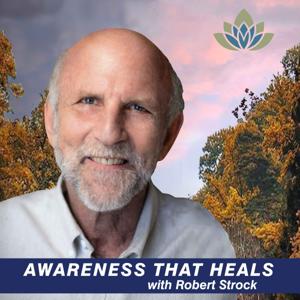


Host Robert Strock discusses the long-term process of identifying our challenging emotions and how we can work through them. We are individuals with differing experiences and upbringings. Those experiences affect how we respond to difficult emotions and eventually can turn into self-rejection. We have to look deep within ourselves to identify the actions and thoughts that can lead us away from rejection toward self-acceptance. We can start by asking and identifying our most difficult, challenging emotion. Being aware of and consistently questioning how we're reacting to that emotion helps us develop compassion for ourselves and the greater world. It takes time, but you can process and change how you think and react to the most unwanted emotions.
Read the transcription and listen to this episode at Awareness That Heals.
Host Robert Strock digs deeper into developing self-acceptance and balance as we continue on a journey through challenging feelings. Misconceptions about self-acceptance can lead to causing undue harm to others, especially when dealing with anger. However, true self-acceptance comes when we express ourselves with sensitivity, thoughtfulness, and honesty. Part of self-acceptance means saying yes to negative emotions, embracing them, and tolerating them without hurting others. When you accept these difficult feelings, you can heal them. Do you accept yourself when you feel fear, anxiety, or anger? When we have feelings that we don't want to feel, we can look inside ourselves and ask questions to make sure we're caring for ourselves in the process of overcoming the unwanted feelings.
Children often better understand the difference between being kind to others and being kind to themselves. We have to learn to recognize areas of weakness versus areas of compulsion by asking what feelings I am aware of and want to change versus those I don't feel like changing. This process requires developing balance between accepting ourselves and working toward developing into a self-compassionate and compassionate person.
Read the transcription and listen to this episode at Awareness That Heals.
Host Robert Strock discusses the value of learning to identify our own challenging feelings, questioning them, and continuing to grow and develop as a person. Each of us must learn that outside standards don't have to define us. It takes time to develop the autonomous self that can name, question, and grow. Self-rejection keeps us from realizing the autonomous self because we get caught in a reactive mode where we identify with what we've been taught.
Developing awareness requires exploring the things that you say to yourself. Strock uses case studies and personal experiences as examples. This process works for those who may have chemical or neurological issues that contribute to their challenging feelings, and those who don't. In either case, asking introspective questions identifies the difficult feelings, names them, and determines the thought process around them. We can each learn to ask important, introspective questions—Am I ready to be honest with myself? What is holding me back from compassion, from happiness, from being a better version of myself? The process of asking these questions leads to continual progression and personal evolution. Each of us can stop self-rejection when we find the will and the curiosity to individually inquire inside ourselves.
Read the transcription and listen to this episode at Awareness That Heals.
Host Robert Strock discusses the continuing process of developing self-compassion. Difficult emotions elicit many predictable "normal" forms of self-rejection, such as withdrawing, anger, or fixing. However, normal doesn't mean healthy. We can learn to accept challenging feelings as part of our human experience while learning to stop patterns of self-rejection. As we learn to recognize our forms of self-rejection, we can also learn to look deep inside ourselves and recognize the part, sometimes the small part, of ourselves that acknowledges that we don't feel difficult feelings on purpose and that's ready to provide self-compassion.
This is the ongoing path to self-acceptance, where we look for ways to meet our emotional needs and encourage thoughts that support us. This process of questioning and searching inside ourselves trains us to act as our own guide to a balanced inner life. Finally, the path toward self-acceptance and self-compassion is a process. The skills are developed over years, while we continually work toward recognizing, acknowledging, and empathizing with ourselves.
Read the transcription and listen to this episode at Awareness That Heals.
Host Robert Strock discusses how to continually develop self-compassion by identifying the healing intentions that lie at the heart of who we are. All too frequently when we have challenging feelings, we react in negative emotional l ways, which is an expression of (usually unconscious) self-rejection. That's when it's time to remind ourselves that our feelings aren't the most important part of who we are. Feelings are feelings, and in many cases, they're perpetually involuntary. We can reduce self-rejection by identifying feelings and recognizing that though we have those feelings, they are not the best reflections of our central identity. Each of us has a place inside where we want to be good and helpful. That person who lies beneath the feelings and consistently desires good, that's the most essential person who can move toward healing self-rejection.
In this light, deep ongoing awareness requires not just feeling challenging emotions or expressing them, but moving toward tolerance, acceptance, caring, and empathy to these feelings and ourselves. When we feel difficult feelings, we must continually ask ourselves how we can care for ourselves while being immersed in those feelings. Going back to and identifying and activating our core caring intentions of goodness, empathy, and helpfulness is a process of developing self-love. Continue to ask, "What intention will lead me toward caring and compassion?" This process of recognizing our challenges and responding with caring leads us toward self-acceptance and reduced self-rejection. Identifying our healing intentions and then asking how we help ourselves helps us move in that direction.
Listen to the episode and find out more at Awareness That Heals
Robert Strock continues a discussion of the third level of awareness, exploring deeper levels of moving toward self-compassion. The process of developing self-compassion is not a one-time experience. It's a repeated course of thought and action where we continually identify difficult feelings and our response to them. This self-awareness practice involves introspection and learning to listen to ourselves and what we need, rather than ignoring difficult feelings. Without identifying, acknowledging, and bringing our intention to care for ourselves, we most frequently get caught in a fight or flight response to our own feelings. Either response leads to disconnection from ourselves and those around us. The isolation from others and disconnect from our own hearts push us into a place of alienation.
By questioning ourselves in our trying times and asking if we like these feelings, we can get clear that this is a sure sign of self-rejection. This allows us to realize not only the rejection but also can encourage us to develop ways to move toward healing. Strock uses his experience through a years-long challenge through medication reactions related to a kidney transplant as an example, as well as the lessons and examples provided by working with and learning from terminally ill clients. Consistently realizing how we reject ourselves helps us work toward self-acceptance and self-compassion. This also allows us to care in a more empathic way for others.
Listen to the episode and find out more at Awareness That Heals
Robert Strock discusses the third level of awareness. This level of awareness requires that we become aware of and identify our most challenging feelings. To address these feelings, we must reach the first level of awareness, which is to be humble enough to be aware that in many areas we are unaware. The second level is to recognize the ways in which we see ourselves in brief flashes because it's too hard to tolerate challenging feelings or profound insights that would cause disruption in our lives if we integrated them. We reach the third level when we can ask ourselves—how can I focus on caring for myself with this challenging emotion without criticism and withdrawal?
Strock uses deeply personal examples to show how you can become aware of your reactions and continue on the road toward self-compassion. The third level of awareness is another step toward seeing yourself and your feelings from a non-judgemental place. It requires deep introspection to investigate the ingrained patterns of behavior learned in your early life. The danger in the third level is that our heart isn't stimulated to help us even though we think it is, revealing the need for the fourth level of awareness that includes our intention to heal. As you move toward greater awareness, you also begin to progress on the path of self-compassion and minimize rejection, abandonment, and blame.
Listen to the episode and find out more at Awareness That Heals
Host Robert Strock discusses the process of moving from self-rejection toward self-compassion. Emotions like anger or anxiety often carry a double layer of self-rejection. There's the initial emotion but also the way we feel about that emotion, We need to ask ourselves if we like how we're feeling, and if the answer is no, it reveals that we are having a negative reaction that either will be withdrawing from our hearts ourselves or are negatively reacting emotionally.? When we feel our most disliked feelings, we can learn to give our heart to care for ourselves specifically. Listeners can begin by reflecting on both the original difficult feelings and ways they reject themselves through fight and flight (aggressive emotions or withdrawal) and identifying alternative healing responses, including acknowledging the naturalness of all feelings when we look at the full context. Many times, our anger or dislike of our feelings is a sign that we're trying to avoid the pain of the emotion. We can be present in the moment and question our challenging feelings and avoidant or negative responses to get to the underlying needs reflected in "The Introspective Guides" on the website. This process helps move us toward self-compassion and can prevent reactions that cause guilt, shame, and self-hatred that can lead to lashing out at others. Finally, there's often a poor distinction between what we feel and what we need. As we learn to no longer identify feelings as negative but instead see them as a natural challenge of the human experience, we can learn how to begin to give our heart to those difficult emotions and make a real move toward self-compassion.
Listen to the episode and find out more at: Awareness That Heals.
The sixth and last principle of Friendly Mind is to focus on what is possible in the present or near future. When we pay attention to our true capabilities, we see more clearly the importance of staying in the present, and at most, the next few moments. Focusing on the present usually comes with great relief. It gives us the ability to see what we are truly able to do or how we can respond in the present or as soon as possible. Once we have that guidance, we can more easily be our best selves.
Listen to the episode and find out more at: The Global Bridge Foundation
Never try to solve the impossible—that's the fifth principle of Friendly Mind. Most of us wish to let our mind get the best of us where we feel secure in a future that we cannot realistically control or desire to be more than we are capable of. When Friendly Mind sees this, it reminds us with the neutral question, "Are you trying to create something that isn't within your capacity?" When we understand and learn to successfully implement this principle, it usually creates a smile because we recognize how many times we have given ourselves a hard time. For many, it's often a humorous relief and release of what was always outside of our control.
Listen to the episode and find out more at: The Global Bridge Foundation
From the publisher's feed