
Sign up to save your podcasts
Or

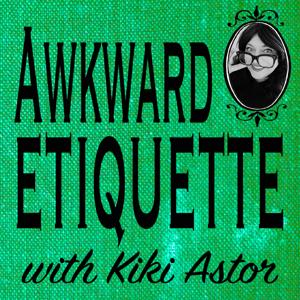
By Kiki Astor


4.9
7575 ratings


The podcast currently has 128 episodes available.
The most played episodes among Podcast App listeners.
What is the ultimate modern status symbol? According to Kiki Astor, it may not be luxury travel, designer handbags, expensive cars, or even a large social circle—it may be the appearance of having complete control over your time. In this episode of Awkward Etiquette: Old Money and New Manners, Kiki explores the modern obsession with time-saving, outsourcing, productivity, wellness optimization, and conspicuous busyness. From grocery delivery and housekeepers to personal assistants, childcare, private chefs, drivers, AI email management, and elaborate self-care routines, she asks an essential question: If you buy your time back, what are you actually going to do with it? Kiki examines the difference between genuinely life-enhancing help and outsourcing that creates more anxiety, management, guilt, and obligation. She discusses the hidden labor of managing assistants, cleaning before the housekeeper arrives, micromanaging chefs and contractors, second-guessing travel planners, and hiring help without ever truly surrendering control. The episode also explores old-money leisure, conspicuous consumption, etiquette, wealth, status, and the value of doing things slowly. Kiki argues that not every inconvenience is wasteful and that some of life's most meaningful experiences—cooking with someone you love, gardening, walking without a destination, being bored, raising children, lingering over dinner, and spending uninterrupted time with friends—are valuable precisely because they are inefficient. Ultimately, the real luxury is not having nothing to do. It is knowing what deserves your time, what you genuinely want to experience yourself, and what can be delegated without sacrificing the texture and intimacy of your life. Show Notes In this episode Kiki discusses: - Why time may be the newest status symbol - The difference between saving time and enhancing your life - Whether outsourcing domestic labor actually creates freedom - Grocery delivery, housekeepers, personal assistants, childcare, chefs, drivers, and travel planners - The dangers of micromanaging the people you hire - Why an assistant can sometimes create more work instead of less - The modern performance of busyness - Productivity culture and the pressure to optimize every minute - Morning routines, meal prep, supplement routines, sleep tracking, cold plunges, red-light therapy, and wellness surveillance - The difference between health and turning your body into an administrative project - Why boredom, inefficiency, and leisure can be luxurious - Old-money ideas about ritual, hospitality, leisure, and the long view of time - How to use help to remove friction without outsourcing joy - Why some unpleasant tasks are still meaningful parts of life - Time etiquette and respecting other people's schedules - Being late, indecisive, chronically unavailable, or unnecessarily demanding - Why you should not make your inefficiency someone else's problem - The importance of being decisive, clear, punctual, and considerate - How to stop accumulating unnecessary obligations - Productive procrastination and manufactured errands - Why you should give your best hours to the things that matter most - The value of becoming less available and less concerned with looking busy - Why memory and lived experience may be the most meaningful forms of wealth Key ideas and takeaways - Time-saving and life-enhancing are not the same thing. - Outsourcing a task is only useful if it frees you to do something you truly value. - If you hire help but continue managing, correcting, and supervising every detail, you have not purchased freedom—you have purchased another job. - Some inefficiencies are not waste. They are the substance of a rich life. - Cooking, gardening, long conversations, walking, reading, and unstructured time can create memories that productivity cannot measure. - The purpose of help is to remove friction, not eliminate every meaningful activity from your life. - You do not have to optimize every minute, track every habit, or turn wellness into full-time employment. - A full calendar is not necessarily evidence of importance. - True luxury may be the ability to say, "I am unavailable," without offering a long explanation. - Good manners include respecting the fact that other people have limited time too. - The most important question is not "How can I save more time?" but "What is worth experiencing directly?" - The ultimate luxury is having a life you do not constantly need to optimize. Etiquette Lessons from the Episode Kiki's practical rules for respecting time include: 1. Do not be chronically late. Someone else is spending time waiting for you. 2. Do not ask questions you could answer with a quick search. 3. Do not make other people sit through your indecision. 4. Make clear, direct requests instead of wrapping simple questions in unnecessary explanations. 5. Do not assume that another person's employee or household help is available to serve you. 6. Do not schedule meetings that could have been emails. 7. Do not add unexpected guests to a carefully planned dinner party. 8. Do not monopolize the time of people who are working for you. 9. Do not treat someone else's time as less valuable than your own. 10. Try to leave people feeling better, lighter, or more appreciated after spending time with you.

In this episode of Awkward Etiquette: Old Money and New Manners, Kiki Astor explores the power of creative constraints, intentional living, and choosing a "smaller box" to create a richer, more distinctive life. After becoming a full-time writer, Kiki invests the equivalent of an Hermès Birkin bag in a small garden folly—a private writing and creative retreat designed to encourage focus, originality, and reflection. Kiki explains how limitations can inspire creativity in writing, entertaining, fashion, home design, cooking, travel, and relationships. From Jane Austen's confined social worlds and Agatha Christie's closed-room mysteries to small kitchens, capsule wardrobes, intimate weddings, and thoughtfully planned dinner parties, she shows why having fewer options can lead to better decisions and more memorable experiences. The episode also explores the etiquette of unequal resources, gracious reciprocity, nouveau pauvre style, old-money manners, meaningful gift giving, tasteful budgeting, repairing rather than replacing, and the difference between thrift and true discernment. Discover how to use budgets, rituals, restricted palettes, seasonal ingredients, and personal traditions to create a life with more personality, elegance, and intention. Show Notes In this episode Kiki's journey to becoming a financially successful full-time writer Why she chose a garden folly instead of a luxury handbag The creative power of limitations and intentional constraints How smaller spaces can encourage focus, originality, and productivity Why unlimited money and unlimited choices can create stress and indecision The connection between creative constraint theory and great writing How authors use confined settings, obsessions, and limited choices to create compelling stories The hidden administrative burden of wealth and abundance The meaning of "nouveau pauvre" as a life of taste without unlimited purchasing power How to reciprocate generosity without matching someone else's spending Etiquette lessons for friendships, entertaining, weddings, gifts, and social occasions Why a memorable wedding does not require a massive budget How uniforms, signature pieces, and repetition can improve personal style The value of repairing, altering, and reusing clothing and household objects What kintsugi teaches us about continuity and the life of an imperfect object How to create memorable dinner parties using a theme, ingredient, region, or color Why a budget can function as an editorial device rather than a punishment The difference between cheapness, thrift, taste, and meaningful spending How small kitchens can encourage better planning and more creative meals Practical one-month experiments for creating intentional constraints in daily life Key ideas and takeaways Constraints can make us more inventive, observant, and resourceful. More options do not always create more freedom; they can create more maintenance and indecision. True elegance comes from having a point of view, not from displaying unlimited purchasing power. You do not need to duplicate someone else's expensive hospitality—offer something only you can create. A budget helps establish priorities and makes spending more meaningful. A smaller wardrobe, kitchen, home, or social plan can create more personality and less waste. Good etiquette protects people from having generosity and belonging measured purely in dollars. The most memorable experiences usually have a premise, structure, and personal touch. A rich life can be built through attention, ritual, creativity, and deliberate choices. Practical challenges from the episode Try choosing a few areas of your life and giving each one a thoughtful constraint: Clothing: Buy nothing new for one month and style what you already own in new combinations. Food: Use ingredients already in your pantry and prepare one ingredient in three different ways. Home: Buy nothing; rearrange furniture or remove one object that irritates you. Entertaining: Host an evening based on one country, film, color, decade, or ingredient. Culture: Choose one subject and explore it through three books, an album, or a museum exhibit. Travel: Plan a trip around a specific limitation, such as traveling only by train or boat. Mentioned in the episode Kiki Astor's garden folly Hermès Birkin bags Creative constraint theory Jane Austen Agatha Christie Samuel Johnson Mozart and jazz improvisation French formal gardens and English landscape gardens Grey Gardens Kintsugi Barbour jackets Diana Vreeland Iris Apfel Steve Jobs Mahjong Thanksgiving entertaining Midnight Blue Service Entrance Villa for Rent on St. Barts The Crème de la Crème and Dark Inheritance book series Books and links mentioned Explore Kiki Astor's books, bookish curiosities, and creative work at kikiastor.com. Books mentioned include: Stick and Ball Pink Palazzo Low Season in Saint-Tropez Villa for Rent on St. Barts Art, Love and Other Miracles Service Entrance Midnight Blue Scarlet Fever
Kiki Astor, AKA Auntie Kiki explores boarding schools through an old money lens—traditions, houses, dining halls, chapel, dorm life, and dark academia—timed to Prince George starting at Eton. She debunks myths (uniforms, secret societies, Latin), examines social capital, alumni networks, and cultural reproduction; weighs benefits (independence, leadership, resilience, community) against costs (separation, homesickness, hierarchy, mental health). With history, sociology, etiquette tips, and practical guidance for parents and students—plus insights from her novels and Midnight Blue. Key Topics: Dark academia vs. real boarding school life Dorms, dining halls, house rivalries, midnight rituals Myths vs. reality: uniforms, Latin, secret passages, prefect power Daily routine and discipline today (no canes, yes structure) Why elites chose boarding schools: Eton, Harrow, Rugby; Thomas Arnold; "muscular Christianity" Sociology: peer groups, identity formation, in-groups/out-groups, Bourdieu's cultural capital Networks and outcomes: internships, jobs, marriage markets, alumni ties Psychological effects: resilience vs. emotional suppression; homesickness; found families Single-sex vs. co-ed; internationalization; scholarships; boutique schools Modern issues: mental health counseling, safeguarding, brand competition, hybrid models Etiquette: what not to say to boarding school families Practical pointers for choosing and thriving Practical Takeaways: Visit schools twice at different times; do not rely on brochures or drone videos Ask about counseling ratios, anti-bullying, and safeguarding policies Check alumni outcomes at 5–10 years, not just college lists Test shorter separations first (camps or week-long programs) Maintain home rituals: scheduled calls, care packages, parents' weekends Host international students during holidays to build community Teach one adult skill early: cooking, mending, budgeting Remember: resilience, responsibility, community, and confidence can be built outside boarding school Etiquette Notes: Do not ask parents or children if boarding school means they "don't like each other" Respect varied reasons: logistics, opportunities, personal fit Support students with structure, empathy, and consistent check-ins Mentions and References: British public schools: Eton, Harrow, Rugby Literary touchstones: Harry Potter, A Separate Peace, Brideshead Revisited Concept: Bourdieu's cultural capital Kiki's novels featuring boarding school alumni and networks Sponsor and Book: Midnight Blue by Kiki Astor — Cleopatra's perfume, blue oud, curse, dark academia vibe Available on Amazon: Kindle, paperback, audiobook (search "Kiki Astor Midnight Blue") Connect: Email your boarding school stories or questions: [email protected] Personalized advice via Cameo: school selection, fit, next steps Call to Action: Subscribe, rate, and review the podcast Share with friends who love dark academia, social history, or etiquette Read and review Kiki's books on Amazon SEO Keywords and Tags: boarding school myths vs reality; old money etiquette; dark academia aesthetic; Eton British public schools; boarding school social capital; alumni networks prep schools; Bourdieu cultural capital; co-ed vs single-sex schools; boarding school mental health; safeguarding and anti-bullying; how to choose a boarding school; homesickness tips; house rivalries traditions; preppy old money style; international students at prep schools
In this episode of Awkward Etiquette: Old Money and New Manners, Auntie Kiki Astor dives into the ultimate question in today's hyper-aspirational world: Is it actually worth it? Moving beyond performative luxury and the influencer economy, Kiki breaks down the true "Return on Investment" (ROI) of our money, time, and energy. From the "turnkey trap" in real estate and the reality of Restoration Hardware couches, to the quiet luxury of authentic manners and experiential joy, this episode teaches you how to stop outsourcing your taste and start cultivating a truly rich, "nouveau pauvre" lifestyle. Show Notes Episode Overview: Have you ever wondered if a first-class ticket, a Birkin bag, or a trendy Cloud Sofa is actually worth the price tag? Today, Auntie Kiki explores the crucial difference between performative luxury designed for Instagram and authentic, experiential luxury that genuinely improves your life behind closed doors. Key Takeaways: The "Turnkey Trap": Why buying a sterile, finished house (or outsourcing your interior design to a trendy catalog) robs you of the luxury of cultivating your own unique taste. Performative vs. Experiential Luxury: Why a steam shower or good water pressure is a better investment than a highly recognizable, logo-heavy handbag. The Influencer Economy Distortions: Why you should never take value advice from someone relying on affiliate links. The "Nouveau Pauvre" ROI: How to use your time and effort to find high-quality antiques and experiences on a budget—and the joy of "the hunt." Behavioral Luxury: Why good manners—like a handwritten thank-you note or making others feel at ease—are the ultimate free investment. The Ultimate Value Test: If social media disappeared tomorrow, would you still buy it? Resources Mentioned: Book: Midnight Blue by Kiki Astor (Available on Amazon, Kindle, and Audiobook) Shop Kiki's designs on Etsy: Graysalt Book a design consultation with Kiki on Cameo (Link on website)
Unlock the Secrets of the Old Money Library: More Than Just Decor Dive into a captivating exploration of the "Old Money Library," where books are far more than mere objects – they are powerful social signifiers, reflecting generations of taste, privilege, and cultivated intellect. In this fascinating episode, host Kiki Astor, your "Auntie Kiki," unveils the nuanced world of aristocratic reading, contrasting the "performative page-turner" of influencer culture with the authentic, lived-in collections of true old money. Discover the hidden sociology behind high-society book clubs, often serving as subtle battlegrounds for social capital, and journey into the exclusive "Cabana universe," where specific literary canons signal insider status among the global elite. Kiki shares closely guarded styling secrets from legendary decorators like Elsie de Wolfe and Nancy Mitford, revealing how to curate a library that whispers inherited elegance and effortless sophistication. But the revelations don't stop there. Auntie Kiki takes a delightful and cheeky detour into the "geography of the questionable read" – those scandalous romance novels, tell-all celebrity memoirs, and thrilling beach reads discreetly tucked away in bathrooms, guest rooms, and lake cottages. These private literary indulgences offer a psychological escape, proving that true old money style embraces a nuanced blend of intellectual display, mischievous self-awareness, and a delightfully scandalous past. Tune in to understand why a well-curated life, like a well-curated library, always leaves room for delightful surprises. Keywords: Old Money, Old Money Library, Cultural Capital, Book Clubs, Book Styling, Interior Design, Luxury Lifestyle, Etiquette, Elite Reading, Society Decor, Status Symbols, Discreet Luxury, Personal Library, Podcast, Kiki Astor, Sociology of Books, Psychology of Books. Show Notes: Episode Title: The Old Money Library: Beyond Decor – Sociology, Psychology & Secret Reads Host: Kiki Astor, your Auntie Kiki (Author, Bibliophile, ex-rich person, Old Money expert, Nouveau Pauvre ambassador) Episode Summary: In this captivating episode of "Awkward Etiquette, Old Money and New Manners," Kiki Astor delves deep into the fascinating world of the "Old Money Library." More than just decor, books are powerful social signifiers, revealing volumes about taste, privilege, and intellect. Auntie Kiki unpacks the stark contrast between "influencer reading" (books as props) and genuine "intellectual reading," exploring the sociology of the bookshelf, the subtle art of high-society book clubs, and the exclusive "Cabana universe" of elite literary signals. Discover closely guarded styling secrets from iconic decorators like Elsie de Wolfe and Nancy Mitford, learning how to curate a library that exudes inherited elegance and effortless sophistication. The episode also takes a delightful detour into the "geography of the questionable read," revealing the cheeky literary indulgences found in the private corners of old money homes. Tune in to uncover how books serve as silent ambassadors of a life well-lived, imbued with layers, secrets, and a delightfully scandalous past. Key Themes & Discussion Points: Books as Social Signifiers: How books communicate taste, sophistication, and status without a word in old money circles. Influencer vs. Intellectual Reading: The stark divide between aesthetic-driven book displays (props for social media) and genuine, lived-in intellectual engagement with literature. The Sociology of Book Clubs: High-society book clubs as networking events, intellectual jousting, and subtle social reaffirmation. Common Archetypes: The Literary Lioness, The Pseudo-Intellectual Progressive, The Inherited Taste Keeper, and The Quietly Judgmental One. Book Club Etiquette: Treating it as a conversation, reading the book, listening, criticizing the work not the person, and respecting the host. The Old Money Library Aesthetic: An accumulated, lived-in reflection of generational intellectual curiosity, not a staged display. Historical Context: Education and leisure as ultimate status symbols dating back to the Grand Tour. Marginalia: The ultimate sign of a well-used and cherished book. The "Unfinished Classics": The subtle flex of displaying daunting, multi-volume tomes that few actually finish. The Cabana Universe & Cultural Capital: An insular, self-referential ecosystem of books that signals elite insider status – a form of gatekeeping within high society. Key figures & publications: Martina Mondadori (Cabana Home), James Reginato, Rizzoli, Vendome. Decorator Bibles: How books by Billy Baldwin, David Hicks, Mario Buatta, and Edith Wharton anchor libraries to an older, more established timeline. Society Photographers: Peter Beard, Slim Aarons, and Oberto Gili (whose "studied carelessness" - sprezzatura - exemplifies counter-signaling). Styling Your Old Money Library: Elsie de Wolfe's Approach: Championing lightness, airiness, painted shelves, and aesthetic harmony. Nancy Mitford's Approach: Embracing dark wood, built-in shelves, organic accumulation, and inherited clutter with fluid grace. Practical Styling Tricks: Stacking books both vertically and horizontally, hanging small paintings directly in front of books, and using books as decorative pedestals. Books in Unexpected Places: Weaving intellectual engagement into the very fabric of daily life throughout the home. Kitchen: Classic cookbooks (Julia Child, Larousse Gastronomique) signalling a love for entertaining. Entryway: Curated coffee table books (Assouline Amalfi Coast) or local histories, offering an intellectual amuse-bouche. Guest Room Nightstand: Thoughtful, entertaining, but not overly demanding reads (classic novels, local poetry) as a sign of gracious hospitality. The Secret Library (The Geography of the Questionable Read): A look into the private spaces for cheeky, scandalous, or indulgent literature that offers psychological release from societal pressures. Bathroom Bookshelf: Romantic thrillers (Gillian Flynn's Gone Girl, Kiki Astor's Scarlet Fever/Midnight Blue), celebrity memoirs (Sarah Ferguson), and historical bodice-rippers (Jacqueline Susann's Valley of the Dolls). Guest Room Bookshelf: Witty satires (Evelyn Waugh, Nancy Mitford, Kiki Astor's upcoming The Heiress's Guide to Social Death), and niche design books (e.g., Vogue's Book of Houses, Parties, etc.). Lake/Beach House/Chalet Bookshelf: Vintage, escapist reads, mystery thrillers, and beach reads designed for unwinding. Hyper-Specific Stacks: Niche collections for polo enthusiasts, yacht aficionados, or fashionistas, often revealing self-aware humor. Thoughtful Gifting: The art of giving a thrilling, scandalous, or indulgent book to a host. Conclusion: The old money library is a nuanced construct balancing public intellectualism with private indulgence, reflecting inherited elegance and mischievous self-awareness. Mentioned Books & Authors: Rizzoli, Assouline, Taschen (coffee table book publishers) Midnight Blue by Kiki Astor (Sponsor's book, available on Amazon: Kindle, paperback, audiobook) The Decline and Fall of the Roman Empire (Edward Gibbon) Italian Journey (Goethe) War and Peace (Leo Tolstoy) Anna Karenina (Leo Tolstoy) Middlemarch (George Eliot) In Search of Lost Time (Marcel Proust) Ulysses (James Joyce) Hegel, Kant, Marx (philosophers) Great Houses, Modern Aristocrats (a book representing the Cabana universe) Billy Baldwin Decorates David Hicks on Decoration Mario Buatta, Anatomy of a Decorator The Decoration of Houses (Edith Wharton and Ogden Codman Jr.) Peter Beard (photographer) Slim Aarons (Once Upon a Time) Oberto Gili (Luxury of Space) The Wind in the Willows (Kenneth Grahame) Swallows and Amazons (Arthur Ransome) The Once and Future King (T.H. White) Sapiens (Yuval Noah Harari) Stalky & Co. (Rudyard Kipling) The Official Preppy Handbook Mastering the Art of French Cooking (Julia Child) Larousse Gastronomique Pride and Prejudice (Jane Austen) Brideshead Revisited (Evelyn Waugh) Gone Girl (Gillian Flynn) Scarlet Fever by Kiki Astor My Story (Sarah Ferguson) Counting My Chickens (Duchess of Devonshire) Fifty Shades of Grey (E.L. James) The Heiress's Guide to Social Death by Kiki Astor (upcoming) Vile Bodies (Evelyn Waugh) Love in a Cold Climate (Nancy Mitford) The Great Houses of London Vogue's Book of Houses, Parties, etc. Valley of the Dolls (Jacqueline Susann) Peyton Place (Grace Metalious) Stick and Ball by Kiki Astor Service Entrance by Kiki Astor Jilly Cooper (author) Call to Action: Listen to Kiki Astor's previous episodes on "Exclusivity." Purchase Kiki Astor's latest book, Midnight Blue, available on Amazon in Kindle, paperback, and audiobook formats! Join Auntie Kiki's exclusive mailing list for additional insights, including the full coffee table book list and old money library recommendations mentioned in this episode. Visit [Your Website Link Here] to sign up!
The podcast currently has 128 episodes available.
878 Listeners

7,701 Listeners
2,096 Listeners

851 Listeners

439 Listeners

14,991 Listeners

893 Listeners
3,560 Listeners

278 Listeners

1,523 Listeners

811 Listeners

1,063 Listeners
816 Listeners
470 Listeners

1,773 Listeners