
Sign up to save your podcasts
Or

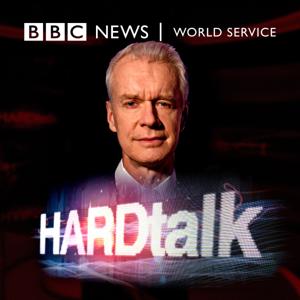

Sarah Montague speaks to biochemist Jennifer Doudna. Crispr Cas9 has been described as the greatest biological breakthrough in decades. It is a gene editing tool and the hopes that rest on it are immense - that it can be used to cure cancer and other intractable diseases, stop mosquitoes carrying malaria, create drought resistant crops and food that does not rot, even that it can recreate extinct animals. What does she make of the breathtaking pace of innovation since her discovery and does she fear where it may lead?
 View all episodes
 By BBC World Service

4.4
326326 ratings
Sarah Montague speaks to biochemist Jennifer Doudna. Crispr Cas9 has been described as the greatest biological breakthrough in decades. It is a gene editing tool and the hopes that rest on it are immense - that it can be used to cure cancer and other intractable diseases, stop mosquitoes carrying malaria, create drought resistant crops and food that does not rot, even that it can recreate extinct animals. What does she make of the breathtaking pace of innovation since her discovery and does she fear where it may lead?

7,698 Listeners

4,116 Listeners
374 Listeners

521 Listeners

1,064 Listeners

294 Listeners

1,793 Listeners
960 Listeners
732 Listeners

51 Listeners

841 Listeners
68 Listeners

987 Listeners
0 Listeners
0 Listeners
0 Listeners
6 Listeners
13 Listeners

4 Listeners

1 Listeners
37 Listeners

0 Listeners
146 Listeners
386 Listeners
3 Listeners