
Sign up to save your podcasts
Or

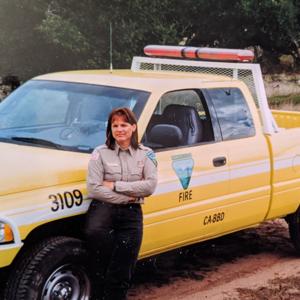


Why do we have accidents? Sure, we have a dangerous profession. But are accidents just the inevitable results of a perilous environment? I hope you don’t think so. We can and should look for ways to avoid injuries and worse for our personnel. In this story, Curtis Heaton and I talk about a couple issues on three historical fatality fires. I hope you listen and then think about what you might do in a similar circumstance. Remember we can’t improve performance if we don’t study and make changes.
Thanks for listening but don’t forget to read my memoir, Both Sides Of The Fire Line, available at your favorite bookstore.
Todays podcast is an interview with Riva Duncan, the Vice President of the Grassroots Wildland Firefighters Organization. She’ll talk about the Presidents proposed 2024 budget and all that it might mean for our federal wildland firefighters as well as the promised permanent changes in pay grades and job classifications. Tune in and hear the latest that could have long lasting impacts on all of the firefighting community.
A few years back, I was flying around with a political appointee who many of us used to work for. We were visiting some large, complex incidents, talking to the ICs and our jurisdictional partners. It wasn’t my favorite kind of duty, but once I worked at the Regional Office, that was my typical day. Listen in to a short conversation I had with this gentleman that day. That conversation was both frustrating and greatly disappointing for me.
The future of wildland fire management is really complex and unknown. But we know it’s only going to get worse. What are we going to do differently? You know the famous saying that Einstein is supposed to have said that goes, “The definition of insanity is doing the same thing over and over again, but expecting different results?”
Ever get that feeling during fire season? Fire after fire, year after year we say, “if I have one more shift I can catch this one.” Or, “we just need 2 more shot crews to hook this thing. It happens on almost every extended attack fire. It really is insane. Year after year we’re repeating the same actions and getting the same results.
Fires are getting bigger, more homes are burning, we’re spending more money and more firefighters are dying… but we’re not really making any substantive changes. Seems like insanity to me because there no political will to do anything substantially different. Listen to this episode and see what you think. You future leaders are going to have to fix what me and the rest of my generation couldn’t.
Many of us are formal leaders. Some of us are informal leaders. Maybe we aspire to a higher leadership role. But all of us are leaders in some way or another. But even experienced formal leaders may not have been tested during a crises. It all depends on the kinds of jobs we have and maybe bad luck. Today’s story is a bit about when my leadership was tested but it’s really about how we see ourselves in that leadership role and how we prepare ourselves for the “big one.” My good friend and amazing fire leader Curtis Heaton joins me for this story. I hope you take home some important lessons today As always, thanks for listening and if you haven’t read my book yet, check out Both Sides Of The Fire Line. Thanks.
Episode 87, How Are Your Leadership Skills In A Crises? BobbieOnFire.com, December 1, 2022
I don’t know about you, but in my career some things just stand out like they happened yesterday. This story happened 22 years ago but it I still remember some odd details and it still makes me smile and miss “the good old days.” I made some good friends and work relationships on this fire. There are important leadership lessons that I learned on this fire too. One lesson I learned was how to be valuable to your boss and organization. Another lesson was to learn to be flexible, quick on your feet and improvise in order to be successful. I think this story will demonstrate those leadership attributes and maybe one thing not to do as well. Hope you enjoy the story.
It’s been a busy last few months preparing for my book release and then the last three weeks visting book stores for readings and signings. It’s exhausting talking to strangers about what has been a closely held “secret”. Ok, maybe not a secret, but I’m talking about some very personal information to people I’ve never met before. Or if I have met them, maybe they were employees who I never talked about my personal life with.
In this episode of BobbieOnFire, I’ll relate a story from the book as well as some perspectives based on what I’ve learned in the last few weeks talking about leadership, gender and just being a kind person. Hope you will all consider reading my book and sharing it with your friends. I don’t preach. I just hope everyone will be open to a proven fire leader sharing information about growing up trans in the fire service. Thanks for listening as always!
If you’re going to push the rules, you better know exactly what they are…. even when it comes to sunglasses. And you should be really good at your job and valuable to your employer too. Today’s story is a comical recollection of a time when I pushed the rules and culture of my fire department. I was just pushing back against all the pressure for conformity. It’s a fun story and it makes me laugh almost 40 years later. Hope you enjoy this one.
As first responders we have a responsibity to the public we serve. I’d say an overriding responsibility. Is that responsibility greater than department polices? More important than our Chief’s direction? And who exactly is our public? Do we have any responsibility to our neighboring jurisdiction’s taxpayers? And if there are policies and direction that keeps us from responding appropriately, what do we do about it? Today’s story ask’s the question, did I cross the line? Take a listen and let me know what you think and as always, thanks for listening.
Many years ago I was a Division Supervisor on a fire in the northern rockies. Listen in to how I dealt with, or didn’t deal too well, with some of the line medics assigned to my Division. You’ll get a good laugh at this one.
As wildland firefighters, we often have no idea about what goes on behind the scenes in dispatch. If you’re not a wildland firefighter, you might not have any idea just how complex the work can be. Getting a helicopter or an extra crew on a small fire might seem like it should be a simple request. Depending on how much fire activity is going on around you, getting one extra crew or a helicopter may be a big thing. You may be competing against all the other fires in your Geographic area. Yes, your little type 5 fire is often competing for resources with all the other fires around you. Yes, if you just had one more crew you could hook this small 5 acre fire. Yes, this fire may get big and need an IMT if you don’t catch it. But the reality is there are dozens of other fires near you in the same boat. Not to mention the type 2 fires and type 1 fires in the geographic area.
So listen in as my guest with 35 years experience working in dispatch logistics explains how the system works and what goes on behind the scenes. And after you listen to the story, I hope you’ll have a greater appreciation for what’s going on behind the radio.
From the publisher's feed