
Sign up to save your podcasts
Or

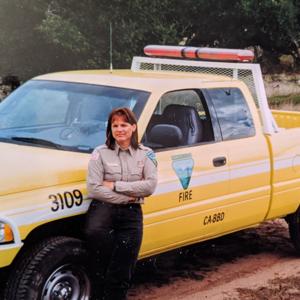


Sometimes while fighting fires or just working with your crew, we have an opportunity to make a difference in their lives. It doesn’t have to be a big deal. Small things can make a difference too. If you listened to episode #64, you heard how I was able to get some of my SRV crews to see the Grand Canyon while working nearby. Episode #65 is about how people are always watching our actions as a leader.
Today’s story isn’t about anything I did. But the Operations Section Chief and the Incident Commander made a difference in all our lives on that fire back in 2000. I still smile when I think about that day. It was an ordinary fire, like hundreds of others. But because of the caring attention from the Ops Chief and IC, I’m still telling stories about their actions. Remember to think about the little things you can do for your folks.
Leadership can be difficult. It can cause the leader to second guess themselves and question if they’re doing the right thing. Today we have two stories. The first one is a good example of both me and my fire chief not doing that “one good thing”. The second story is an example of the good that can come from doing the “one good thing”. I hope you find some use from this story and please share it with your friends and co-workers.
While reading some blogs and webpages for people effected by the latest round of devastating wildfires, it occured to me that everyone is incredibly stressed right now. Homeowners have had to flee for their lives, leaving pets and all their worldly possessions. Once evacuated they’re not allowed to re-enter their neighborhood. Now away from their home, they have to live in someone else’s home or camp out. School, mail delivery, jobs… its all up in the air while you don’t even know if your home is still ok or if it is a pile of ash. That’s a horrible thought.
The firefighters too are dealing with stress. Some of them may have left their homes as well while not knowing if they’ve survived the fire storms. Additionally, firefighters are dealing with great stressors while they fight the fire. Short of sleep, long arduous days, frustrations of not having enough resources to fight the fire, problems associated with their tasks, etc. The list goes on and their frustrations have to be kept under control.
Keep in mind that the same firefighters working so hard today have probably been at it for months now. Federal firefighters move from one part of the country to another as the fire season evolves. Those hotshot crews in Arizona in April are now in California in late August and September. The engine and crew firefighters have been working more than 16 hours a day for months now. They may get a couple days off every two weeks, but they’re under a lot of stress too.
Please share this story with your friends and family, especially if they’re anywhere near a fire.
In my life, I’ve experienced some pretty crazy incidents. Like all of us, many of those stressful events and emergency incidents don’t always occur on the fireground. We all have plenty of personal stress and trauma in our lives. Many years ago, it hit me all in one month. I had 2 significant emotional events take place… and one minor one. But the cummulative effect was significant. The first was the Dude Fire, which if you’re a regular listener, you’ve heard me talk about. 6 brave firefighters were killed on that fire. The next event was a near tragedy involving my children. And as a parent, anytime your kids are at risk due to your own negligence… well that fear and guilt and worry just piled on to my personal emotional trauma from the Dude. The last event was really minor in nature, but it figures significantly into the story.
But the question is; how do we take care of ourselves? And how do we take care of each other. Today’s story is just about the crew of firefighters I worked with and how they reacted to the stress I was experiencing.
As always, thanks for listening and even though we’re on track to have 400,000 story downloads by the end of 2021, I still appreciate comments and suggestions for the stories. Be safe out there.
Years ago, I worked for a Battalion Chief who was a great mentor for me. I was a new Captain and didn’t have much support from the other officers on the fire department, let alone support from a Chief officer. But my Battalion Chief gave me some real pearls of wisdom. He had two that stuck with me the most. The first pearl was “Don’t worry, you’ll outlive the bastards.” That was his way of telling me not to worry about all the old school guys I worked with. I would survive them. And I did too.
But the second pearl that I remembered all these years was, “No matter what, make it sound good on the radio.” I didn’t quite understand the lesson he was trying to teach me. But I eventually did understand it. And the story today is how I learned the lesson he was trying to teach me with his simple statement.
After listening to this story, I hope you can appreciate the importance of “sounding good on the radio.”
If you’re a federal wildland firefighter, you already know what I’m about to say. If you’re not, this may come as a surprise to you. The lowest paid people on a large wildfire… I’m including the kitchen help and those who are cleaning the toilets, the lowest paid personnel on the fire are likely the federal wildland firefighters. There might be some contract personnel down on that list, but for all the “hero firefighter” bs that we hear, isn’t it amazing that our firefighters are so pooly paid.
Municipal firefighters and some state firefighters can make more than twice as much as a federal wildland firefighter. And technically, the federal agencies who hire the fireghters don’t technically have any “firefighters”. The correct job title of the federal firefighters are actually “forestry technician” or “range technician”. If they were in a firefighter job title, they’d have to be paid more.
There is an organization called “Grassroots Wildland Firefighters” who are advocating for the federal wildland firefighters. This past week, their Executive Secretary testified before the Congressional Natural Resources subcomittee. Riva Duncan is a regular on my podcasts and this week we’ll be talking about the issues facing federal wildland firefighters including their pay, the correct job series (job title) and their health. Please listen and then share with all your friends and family who probably don’t understand the issues facing our dedicated and outstanding workforce.
If you go to https://www.grassrootswildlandfirefighters.com/ you can listen to Riva and watch the hearing. Thanks everyone and please leave a comment about what you heard.
Sometimes we think no one is watching us. But in reality, someone is always watching. Whether you’re a firefighter on a crew or engine, or you’re a Captain or Chief, someone is always watching you. That doesn’t mean it’s like big brother looking over your shoulder all the time. It’s just the way it is. Your subordinates, co-workers and supervisors are always watching. And that means you’re having an effect on those folks. It means you’re influencing those around you whether you mean to be or not. People are influenced by the words you use and the actions you take. It’s real life.
Knowing that those around you are being influenced by your behavior is an important lesson to accept. It took me years to understand that. Today’s story demonstrates just how much our actions can impact on those around us. Please take a few minutes to listen and think about the story. As always I appreciate any feedback and thanks for listening.
If you google “Leading Up”, you’ll find a hundred of books on the subject. But for this retired fire chief, it’s a relatively new term compared to when I started reading about leadership and attending leadership courses in the 1970s and 80s. But I susggest you read up on the subject if you haven’t already. I started hearing the term back in the early 2000s. But never understood exactly what it meant other than how to influence your boss.
This week’s story gives you my take on how we “Lead Up”. I’m not the definitive authority of the subject, but I think I can offer some insights from my 4 decades of experience.
We had a small technical glitch towards the end of the recording. So you won’t hear from the other folks present during the recording. We’re approaching over 250,000 story downloads so far. So as usual, I want to say thanks for listening. Please share any comments you have so others have the opportunity to learn from your experiences too.
I used to tell my firefighters that if it weren’t for people’s mistakes, we wouldn’t have jobs. There’s a lot of truth to that statement. People make mistakes and end up having to call 911. Thanks to my friend Ann, today we get to hear a couple stories of mistakes that could have had tragic outcomes. Instead luck intervened. Rather than tragedy we are offered a great learning opportunity. Listen to our laughter as Ann shares her close calls with home safety issues. Please share with your friends and family who might benefit from learning without the near tragedy. Thanks to everyone who’s listening to the stories.
If you’ve listened to many of my stories, you’ve probably heard me refer to my beloved co-workers as knuckleheads. Well, we’re all knuckeheads sometimes. In this weeks story I’ll prove to you a few times that I was certainly one. The easier and quicker we are to admit it, the better it is for us. And not only is it important to admit it, we can improve our status with our employees when we do.
I’ll describe some of the team building and camaraderie that can develop by being honest, admiting your mistakes and moving on. Some good natured teasing can ensue. Take it with a smile and know that you’re a part of the team when the guys are giving you a hard time. Hope you get a laugh and take home an easy leadership lesson too. And as always, thanks for listening.
From the publisher's feed