
Sign up to save your podcasts
Or

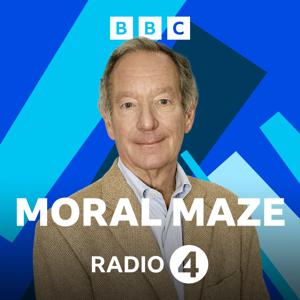

The fact that the Belgian authorities had been expecting an attack doesn't diminish the shock of yet another bombing with mass casualties in a European capital. Belgium's foreign minister said on Sunday that Salah Abdeslam, the prime surviving suspect in the Paris attacks, could have been plotting more operations. Tragically, he was proved right. That Salah was able to hide in Brussels, under the noses of the Belgian police, for more than four months raises uncomfortable questions for them - and also for us. The UK government is still fighting to get its Investigatory Powers Bill onto the statute book. Its supporters believe it will enable the police and security services to fight terrorism and crime more effectively. Opponents say it will destroy our fundamental right to privacy and believe their arguments have been given more force by the revelations of Edward Snowdon about the extent of secret surveillance. The Brussels bombs came on the day that the FBI in America said they'd found a way to get round Apple's security and unlock the phone of an Islamist terrorist who killed 14 people in California last December. Apple had refused to co-operate, saying it would have security implications for millions of iPhone users all over the world. When we're faced with ruthless terrorists, intent on committing mass murder, how much privacy do we have a right to demand? And who should police it? These bombs were in the city that is the symbolic heart of the European Union and that has - for many - come to symbolise the hard-won freedoms and values we cherish in the West. What price do we place on those freedoms and values? And how much are we willing to compromise them to ensure our safety? How free do you want to be? Witnesses are Professor Anthony Glees, Mike Harris, Douglas Murray and Inayat Bunglawala.
 View all episodes
 By BBC Radio 4

4.6
5151 ratings
The fact that the Belgian authorities had been expecting an attack doesn't diminish the shock of yet another bombing with mass casualties in a European capital. Belgium's foreign minister said on Sunday that Salah Abdeslam, the prime surviving suspect in the Paris attacks, could have been plotting more operations. Tragically, he was proved right. That Salah was able to hide in Brussels, under the noses of the Belgian police, for more than four months raises uncomfortable questions for them - and also for us. The UK government is still fighting to get its Investigatory Powers Bill onto the statute book. Its supporters believe it will enable the police and security services to fight terrorism and crime more effectively. Opponents say it will destroy our fundamental right to privacy and believe their arguments have been given more force by the revelations of Edward Snowdon about the extent of secret surveillance. The Brussels bombs came on the day that the FBI in America said they'd found a way to get round Apple's security and unlock the phone of an Islamist terrorist who killed 14 people in California last December. Apple had refused to co-operate, saying it would have security implications for millions of iPhone users all over the world. When we're faced with ruthless terrorists, intent on committing mass murder, how much privacy do we have a right to demand? And who should police it? These bombs were in the city that is the symbolic heart of the European Union and that has - for many - come to symbolise the hard-won freedoms and values we cherish in the West. What price do we place on those freedoms and values? And how much are we willing to compromise them to ensure our safety? How free do you want to be? Witnesses are Professor Anthony Glees, Mike Harris, Douglas Murray and Inayat Bunglawala.

7,913 Listeners

863 Listeners

1,067 Listeners
159 Listeners

5,576 Listeners

1,808 Listeners

1,729 Listeners

1,018 Listeners
2,113 Listeners

1,952 Listeners
32 Listeners
38 Listeners

428 Listeners
159 Listeners
43 Listeners
75 Listeners
108 Listeners
745 Listeners

3,245 Listeners

779 Listeners

1,010 Listeners

3,858 Listeners

1,314 Listeners
851 Listeners
48 Listeners