
Sign up to save your podcasts
Or

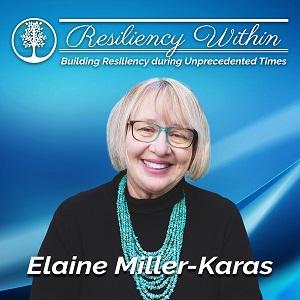

Shannon Biteng of the Oregon Department of Human Services (ODHS) is the Trauma Informed Organization Manager.
She will share the development and implementation of the ODHS Trauma Aware Program. The program supports over 12,000 human services professionals dedicated to assisting 1.5 million Oregonians in accessing essential resources and enhancing their overall well-being. She will share how the Trauma Aware initiatives foster resilience, promote well-being, and strive to empower individuals affected by trauma and toxic stress.
The Trauma Aware Program actively contributes to ODHS's mission of becoming a Trauma-Informed Organization by fostering supportive interactions at both individual and systemic levels, focusing on equity, inclusion, and accessibility.
Their approach integrates evidence-based practices with the insights gleaned from the experiences of their workforce and the communities they serve.
She will discuss an array of programs, which includes Trauma-Informed Practice, Resilience, Healing and Empowerment, Trauma Response Services, Employee well-being, Suicide Prevention, Intervention and Postvention, and the Community Resiliency Model (CRM) program.
 View all episodes
 By Elaine Miller-Karas, LCSW

4.8
99 ratings
Shannon Biteng of the Oregon Department of Human Services (ODHS) is the Trauma Informed Organization Manager.
She will share the development and implementation of the ODHS Trauma Aware Program. The program supports over 12,000 human services professionals dedicated to assisting 1.5 million Oregonians in accessing essential resources and enhancing their overall well-being. She will share how the Trauma Aware initiatives foster resilience, promote well-being, and strive to empower individuals affected by trauma and toxic stress.
The Trauma Aware Program actively contributes to ODHS's mission of becoming a Trauma-Informed Organization by fostering supportive interactions at both individual and systemic levels, focusing on equity, inclusion, and accessibility.
Their approach integrates evidence-based practices with the insights gleaned from the experiences of their workforce and the communities they serve.
She will discuss an array of programs, which includes Trauma-Informed Practice, Resilience, Healing and Empowerment, Trauma Response Services, Employee well-being, Suicide Prevention, Intervention and Postvention, and the Community Resiliency Model (CRM) program.

190 Listeners
31 Listeners
282 Listeners
98 Listeners
2,536 Listeners

93 Listeners

112 Listeners

66 Listeners

15 Listeners
71 Listeners
28 Listeners