
Sign up to save your podcasts
Or

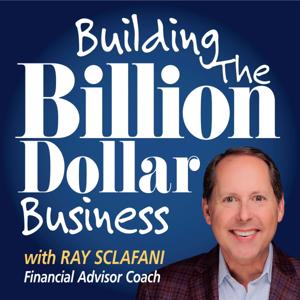


In this special edition of Building the Billion Dollar Business, Ray Sclafani, Founder and CEO of ClientWise, welcomes Michael Kitces back for part two of their conversation. They cover the questions shaping the next era of advisory firms: whether AI can finally solve the industry’s integration problem, where the time AI saves actually goes, and why the CRM is positioned to remain the hub of the modern firm.
Michael shares Kitces Research findings showing that staff leverage still predicts advisor productivity more than technology spend does, and explains why the entry-level bar for future advisors is rising. He describes clients who check their advice with ChatGPT as a sign of deeper engagement, walks through the custodial economics behind Vanguard’s acquisition of Altruist, and explains why in-person marketing is outperforming digital as client acquisition costs fall.
Firm leaders will come away with a clearer picture of where to invest next: in team design, delegation, deeper client conversations, and growth strategies built to scale.
WHAT YOU’LL LEARN IN THIS EPISODE
THE 2027 LIGHTNING ROUND
Michael Kitces, MSFS, MTAX, CFP®, CLU, ChFC, RHU, REBC, CASL, is the Chief Financial Planning Nerd at Kitces.com and Head of Planning Strategy at Focus Partners Wealth, an independent RIA with more than $50 billion in assets under management. He is a co-founder of XY Planning Network, AdvicePay, New Planner Recruiting, fpPathfinder, FA BeanCounters, and NexGen, and hosts the Financial Advisor Success podcast. A recipient of the Financial Planning Association’s Heart of Financial Planning award, Michael is dedicated to helping financial advisors become better and more successful.
Building the Billion Dollar Business is hosted by Ray Sclafani, Founder and CEO of ClientWise, the financial services industry's leading executive coaching and team development firm for elite advisors and wealth management teams. Ray Sclafani is also a Wealthies CEO of the Year Finalist (2026) and Luminaries Thought Leader of the Year Finalist (2026).
Find Ray and the ClientWise Team on the ClientWise website or LinkedIn | Twitter | Instagram | Facebook | YouTube
Every growing firm reaches a point where getting bigger requires changing how the business works. In part one of this two-part special edition of Building The Billion Dollar Business, Ray Sclafani, Founder and CEO of ClientWise, flips the script with Michael Kitces. Instead of discussing the industry, they talk entrepreneur to entrepreneur about what it takes to build and lead a growing organization.
Michael has led multiple businesses from a handful of people to teams of 30, 50, and 100+, and he outlines the four stages every growing firm moves through, starting with the founder-centered “starfish org chart.” He shares the hiring roadmap that is guiding his next three key hires, explains why word of mouth eventually needs support from a deliberate growth engine, and opens up his EOS quarterly rocks, from data automation and management training to written culture statements and a careful approach to AI.
Firm leaders will come away with a clear lens for identifying their own stage of growth and the structure their next stage requires. As Michael puts it, every day you wake up, you are running the largest company you have ever run, and that is where the opportunity lives.
WHAT YOU’LL LEARN IN THIS EPISODE
Michael Kitces, MSFS, MTAX, CFP®, CLU, ChFC, RHU, REBC, CASL, is the Chief Financial Planning Nerd at Kitces.com and Head of Planning Strategy at Focus Partners Wealth, an independent RIA with more than $50 billion in assets under management. He is a co-founder of XY Planning Network, AdvicePay, New Planner Recruiting, fpPathfinder, FA BeanCounters, and NexGen, and hosts the Financial Advisor Success podcast. A recipient of the Financial Planning Association’s Heart of Financial Planning award, Michael is dedicated to helping financial advisors become better and more successful.
Building the Billion Dollar Business is hosted by Ray Sclafani, Founder and CEO of ClientWise, the financial services industry's leading executive coaching and team development firm for elite advisors and wealth management teams. Ray Sclafani is also a Wealthies CEO of the Year Finalist (2026) and Luminaries Thought Leader of the Year Finalist (2026).
Find Ray and the ClientWise Team on the ClientWise website or LinkedIn | Twitter | Instagram | Facebook | YouTube
Before you evaluate anyone else this review season, take a moment to evaluate yourself. In this episode of Building the Billion Dollar Business, Ray Sclafani, Founder and CEO of ClientWise, explores followership: whether the people you lead believe in your vision, believe you are committed to their development, and believe you have their best interests in mind. Your title gives you authority. Followership is earned one conversation at a time.
Drawing on research from Robert Kelley, Korn Ferry, SHRM, Steven Rogelberg, and McKinsey, Ray shows why one-on-ones are the clearest window into whether you have earned it. He shares a six-question self-check that reveals how well you truly know each person on your team, along with a personal story about what happens when a leader shuts down a team member's ambition instead of supporting it.
Firm leaders will leave with a practical next step: run the self-check for every person who reports to you, turn any gaps into the agenda for your next one-on-one, and ask the hardest question of all about what you might be making harder than it needs to be.
WHAT YOU'LL LEARN IN THIS EPISODE
THE SIX-QUESTION ONE-ON-ONE SELF-CHECK
REFLECTION QUESTIONS FOR YOUR LEADERSHIP TEAM
RESOURCES MENTIONED
Building the Billion Dollar Business is hosted by Ray Sclafani, Founder and CEO of ClientWise, the financial services industry's leading executive coaching and team development firm for elite advisors and wealth management teams. Ray Sclafani is also a Wealthies CEO of the Year Finalist (2026) and Luminaries Thought Leader of the Year Finalist (2026).
Find Ray and the ClientWise Team on the ClientWise website or LinkedIn | Twitter | Instagram | Facebook | YouTube
Every growth plan reaches the moment where strategy meets the team that will carry it. In this episode of Building the Billion Dollar Business, Ray Sclafani, Founder and CEO of ClientWise, explores team structure and capacity planning, one of the ten interlocking areas of the ClientWise Talent Strategy Operating System. Ray shows why capacity is a strategic lever for advisory firms of every size, from multi-office regional firms to advisors concentrated in a single hub.
Drawing on Michael Kitces' 2025 research on delegating to associate advisors, Ray explains how the right support structure frees lead advisors for business development and deeper client relationships. He then walks through a practical 12-month capacity forecast that helps leaders map future work to the right roles, track measurable capacity signals, and prepare for the service models that tomorrow's more complex, multigenerational clients will require.
Firm leaders will leave with a simple next step: build a one-page capacity forecast for one advisory team and ask what will break first. It is a focused way to hire ahead of demand, protect top talent, and build a firm ready to absorb its next stage of growth.
WHAT YOU'LL LEARN IN THIS EPISODE
THE ONE-PAGE CAPACITY FORECAST
CAPACITY SIGNALS
REFLECTION QUESTIONS FOR YOUR LEADERSHIP TEAM
RESOURCES MENTIONED
Building the Billion Dollar Business is hosted by Ray Sclafani, Founder and CEO of ClientWise, the financial services industry's leading executive coaching and team development firm for elite advisors and wealth management teams. Ray Sclafani is also a Wealthies CEO of the Year Finalist (2026) and Luminaries Thought Leader of the Year Finalist (2026).
Find Ray and the ClientWise Team on the ClientWise website or LinkedIn | Twitter | Instagram | Facebook | YouTube
Most advisory firm leaders think the cost of isolation is paid in loneliness. It's not. It's paid in months of problem-solving you'd solve in nine minutes with one peer conversation. The most expensive sentence in business is "I'll figure it out myself"—it sounds like strength but costs like a mortgage. While you're quietly working through a decision, someone else already solved it, already paid the tuition, and would have handed you the answer if you'd asked. Ray Sclafani reveals why peer networks and community aren't nice-to-have luxuries for advisory leaders—they're the fastest ROI you can get on your time and attention.
WHAT YOU'LL LEARN IN THIS EPISODE
THE COMMUNITY PRACTICE FRAMEWORK
REFLECTION QUESTIONS FOR YOUR LEADERSHIP TEAM
Building the Billion Dollar Business is hosted by Ray Sclafani, Founder and CEO of ClientWise, the financial services industry's leading executive coaching and team development firm for elite advisors and wealth management teams. Ray Sclafani is also a Wealthies CEO of the Year Finalist (2026) and Luminaries Thought Leader of the Year Finalist (2026).
Find Ray and the ClientWise Team on the ClientWise website or LinkedIn | Twitter | Instagram | Facebook | YouTube
Your employees do not experience your growth plan directly. They experience whether their own future at the firm feels clear or vague. That clarity, or the lack of it, shapes retention long before compensation ever does. Many advisory firms avoid career path conversations because they fear making promises they cannot keep, so employees are left guessing at what growth actually requires. Schwab's 2025 Advisor Services research found that 77% of firms now offer career pathing and 67% offer coaching and mentorship, meaning this has moved from a nice to have to a market expectation. Ray Sclafani reveals why career pathing is really a design exercise built on skills, experience, and contribution, and why AI is quietly rewriting what every role in your firm requires next.
WHAT YOU'LL LEARN IN THIS EPISODE
THE CAREER PATH DESIGN FRAMEWORK
REFLECTION QUESTIONS FOR YOUR LEADERSHIP TEAM
Building the Billion Dollar Business is hosted by Ray Sclafani, Founder and CEO of ClientWise, the financial services industry's leading executive coaching and team development firm for elite advisors and wealth management teams. Ray Sclafani is also a Wealthies CEO of the Year Finalist (2026) and Luminaries Thought Leader of the Year Finalist (2026).
Find Ray and the ClientWise Team on the ClientWise website or LinkedIn | Twitter | Instagram | Facebook | YouTube
Your people do not experience your strategy directly. They experience their manager. That manager sets the tone for clarity, feedback, accountability, and growth, yet most advisory firms treat management as an honorary title rather than a craft. Only 44% of managers globally have received formal training, and advisory firms routinely promote strong individual contributors into leadership roles without building management skills. The result: retention risk, performance risk, culture risk, and ultimately client experience risk. Ray Sclafani reveals why management is the delivery system for everything that matters and introduces the four-part operating rhythm that scales culture and prevents leadership fracture as your firm grows.
WHAT YOU'LL LEARN IN THIS EPISODE
THE MANAGER OPERATING RHYTHM FRAMEWORK
1. Monthly One-on-Ones
Move beyond status updates. Cover priorities, obstacles, decisions, feedback, learning, capacity, and development. Manager leaves knowing what the person needs. Employee leaves knowing what matters next.
2. Quarterly Performance Calibration
Bring managers together to discuss performance consistency across roles. Define what meeting, exceeding, and far exceeding expectations look like. Reduce favoritism, vague feedback, and compensation surprises. Identify high-potential talent early.
3. Documented Development Plans
Every employee gets one or two development focuses: client presence, planning skill, follow-through, leadership behavior, delegation, communication, AI fluency, business development. Plans connect to role and firm future.
4. Team Health Dashboard
Managers track engagement, workload, retention risk, development progress, client pressure, meeting rhythm, and open issues. Dashboard makes invisible problems visible.
THE 90-MINUTE CALIBRATION MEETING QUESTIONS
Ask your leadership team these four questions together:
REFLECTION QUESTIONS FOR YOUR LEADERSHIP TEAM
Building the Billion Dollar Business is hosted by Ray Sclafani, Founder and CEO of ClientWise, the financial services industry's leading executive coaching and team development firm for elite advisors and wealth management teams. Ray Sclafani is also a Wealthies CEO of the Year Finalist (2026) and Luminaries Thought Leader of the Year Finalist (2026).
Find Ray and the ClientWise Team on the ClientWise website or LinkedIn | Twitter | Instagram | Facebook | YouTube
Next generation talent isn't rejecting ambition, they're rejecting vague ambition. They want to know what they're becoming, not just what the job is. By 2030, Gen Z and millennials will comprise 74% of the global workforce, and they're clear about what they need: purpose-driven work, real development, and a visible career path. Yet most advisory firms still operate from an old bargain: work hard, wait patiently, opportunities will come. That no longer retains talent.
Ray Sclafani reveals the five-question framework that turns retention into strategy. Learn how to make the future visible, treat development as intentional leadership practice, and connect work to real meaning. The practical next step is immediate: schedule one conversation with each direct report within 60-90 days and document the next experience they need, not just the next title.
WHAT YOU'LL LEARN IN THIS EPISODE
THE FUTURE CONVERSATION FRAMEWORK
REFLECTION QUESTIONS FOR YOUR LEADERSHIP TEAM
Building the Billion Dollar Business is hosted by Ray Sclafani, Founder and CEO of ClientWise, the financial services industry's leading executive coaching and team development firm for elite advisors and wealth management teams. Ray Sclafani is also a Wealthies CEO of the Year Finalist (2026) and Luminaries Thought Leader of the Year Finalist (2026).
Find Ray and the ClientWise Team on the ClientWise website or LinkedIn | Twitter | Instagram | Facebook | YouTube
Your budget tells the truth about your strategy. A firm can say it wants to develop next generation leaders, strengthen succession readiness, improve management capability, prepare its people for AI, and increase enterprise value. But if those priorities do not appear in the talent budget, the strategy may be more aspirational than operational. Ray Sclafani explores why the talent budget is one of the clearest ways for an advisory firm's leadership team to determine whether its stated priorities are actually being funded.
In this episode, you'll learn how to build a simple talent budget scorecard that reveals where your firm is investing in its people and what those investments are expected to produce. You'll also discover how Association for Talent Development benchmarks can provide a useful reference point, why talent development should be treated as infrastructure rather than a discretionary expense, and how to connect investments in leadership, coaching, onboarding, and AI fluency to measurable business outcomes. By the end, you'll have a practical framework to evaluate your current talent budget and identify where your spending needs to align more closely with your firm's growth priorities.
This framework is designed for advisory firm leaders who are thinking beyond today's staffing needs and building the capabilities required for future growth, succession, leadership depth, and AI readiness. The central question is simple: Does your budget reveal the firm you're building, or the firm you once were?
WHAT YOU'LL LEARN IN THIS EPISODE
THE TALENT BUDGET SCORECARD
REFLECTION QUESTIONS FOR YOUR LEADERSHIP TEAM
Building the Billion Dollar Business is hosted by Ray Sclafani, Founder and CEO of ClientWise, the financial services industry's leading executive coaching and team development firm for elite advisors and wealth management teams. Ray Sclafani is also a Wealthies CEO of the Year Finalist (2026) and Luminaries Thought Leader of the Year Finalist (2026).
Find Ray and the ClientWise Team on the ClientWise website or LinkedIn | Twitter | Instagram | Facebook | YouTube
Bad hires cost advisory firms upwards of three times salary in direct and indirect costs. But the real issue isn't always the person, it's the system. When firms grow fast and operate under pressure, they hire quickly without clear role definition, leading new hires to navigate confusion, tribal knowledge, and conflicting expectations. Ray Sclafani explores why onboarding cannot be a first-day checklist in advisory firms where work is technical, judgment-dependent, and outcomes matter. The solution is building a better receiving system before the candidate arrives, starting with role clarity.
In this episode, you'll learn the eight-question framework, the 100-Day Role Clarity Map, that separates successful hires from failed ones. You'll also discover why structuring the first 100 days into three distinct phases dramatically improves outcomes, how to assign decision rights without confusion, and why your employee value proposition is as critical as your client value proposition. By the end, you'll have a practical template to use before your next hire and coaching questions to lead your leadership team through the design process.
This framework applies to advisory firms of all sizes and maturity levels, and it's grounded in research from Korn Ferry and SHRM that shows structured onboarding directly correlates with retention, performance, and firm growth.
WHAT YOU'LL LEARN IN THIS EPISODE
THE 100-DAY ROLE CLARITY MAP
REFLECTION QUESTIONS FOR YOUR LEADERSHIP TEAM
Building the Billion Dollar Business is hosted by Ray Sclafani, Founder and CEO of ClientWise, the financial services industry's leading executive coaching and team development firm for elite advisors and wealth management teams. Ray Sclafani is also a Wealthies CEO of the Year Finalist (2026) and Luminaries Thought Leader of the Year Finalist (2026).
Find Ray and the ClientWise Team on the ClientWise website or LinkedIn | Twitter | Instagram | Facebook | YouTube
From the publisher's feed
2,177 Listeners

32,774 Listeners
28 Listeners
4,453 Listeners
101 Listeners
2,144 Listeners
30 Listeners

1,414 Listeners

10,142 Listeners
115 Listeners
1,063 Listeners