
Sign up to save your podcasts
Or

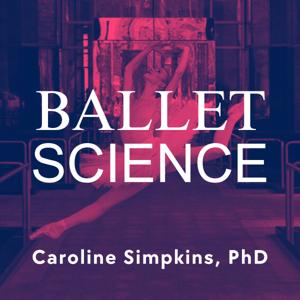

Can dance improve mental and physical health during menopause? In this episode, we explore a 2025 systematic review and meta-analysis examining the effects of dance interventions on perimenopausal, menopausal, and postmenopausal women.
Researchers analyzed multiple studies involving dance styles such as Zumba, jazz dance, traditional cultural dances, sports dance, and dance movement therapy. The results suggest that dance may significantly improve depression, anxiety, vitality, social functioning, quality of life, and several physical health outcomes.
We discuss the science behind these findings, potential mechanisms, practical takeaways, and important limitations of the research. Whether you're a dancer, healthcare professional, teacher, student, or simply interested in healthy aging, this episode highlights how movement and dance may support well-being throughout life.
Research publication:
Join the Ballet Science E-mail List
Watch This Video On YouTube
Want to go deeper into the science of ballet? Subscribe to Ballet Science Backstage for bonus Ballet Science content including exclusive episodes, early access, and more. Your support helps keep evidence-based dance education accessible for dancers, teachers, and movement lovers everywhere.
Connect With Ballet Science:
Ballet Science is hosted by Caroline Simpkins, Ph.D., former professional ballerina and biomechanics researcher. The podcast explores injury prevention, biomechanics, nutrition, mindset, and the science behind dance performance.
Medical Disclaimer: This video is for educational purposes only and is not intended as medical advice. Every individual's health situation is unique. If you are experiencing menopausal symptoms, please consult a qualified healthcare professional regarding treatment options. This discussion is not intended to discourage hormone replacement therapy (HRT) or other medical treatments. Rather, it explores current research on dance as a potential complementary, non-pharmacological strategy that may support health and well-being during the menopausal transition.
Filming Equipment Affiliate Links:
Logo photo: Richard Calmes
 View all episodes
 By Caroline Simpkins, Ph.D.

4.4
77 ratings
Can dance improve mental and physical health during menopause? In this episode, we explore a 2025 systematic review and meta-analysis examining the effects of dance interventions on perimenopausal, menopausal, and postmenopausal women.
Researchers analyzed multiple studies involving dance styles such as Zumba, jazz dance, traditional cultural dances, sports dance, and dance movement therapy. The results suggest that dance may significantly improve depression, anxiety, vitality, social functioning, quality of life, and several physical health outcomes.
We discuss the science behind these findings, potential mechanisms, practical takeaways, and important limitations of the research. Whether you're a dancer, healthcare professional, teacher, student, or simply interested in healthy aging, this episode highlights how movement and dance may support well-being throughout life.
Research publication:
Join the Ballet Science E-mail List
Watch This Video On YouTube
Want to go deeper into the science of ballet? Subscribe to Ballet Science Backstage for bonus Ballet Science content including exclusive episodes, early access, and more. Your support helps keep evidence-based dance education accessible for dancers, teachers, and movement lovers everywhere.
Connect With Ballet Science:
Ballet Science is hosted by Caroline Simpkins, Ph.D., former professional ballerina and biomechanics researcher. The podcast explores injury prevention, biomechanics, nutrition, mindset, and the science behind dance performance.
Medical Disclaimer: This video is for educational purposes only and is not intended as medical advice. Every individual's health situation is unique. If you are experiencing menopausal symptoms, please consult a qualified healthcare professional regarding treatment options. This discussion is not intended to discourage hormone replacement therapy (HRT) or other medical treatments. Rather, it explores current research on dance as a potential complementary, non-pharmacological strategy that may support health and well-being during the menopausal transition.
Filming Equipment Affiliate Links:
Logo photo: Richard Calmes

90,994 Listeners
266 Listeners

111,948 Listeners
19 Listeners
153 Listeners

85,636 Listeners

19 Listeners
2,046 Listeners
149 Listeners

7,343 Listeners
11,157 Listeners
92 Listeners
24 Listeners

12 Listeners

12,143 Listeners