
Sign up to save your podcasts
Or

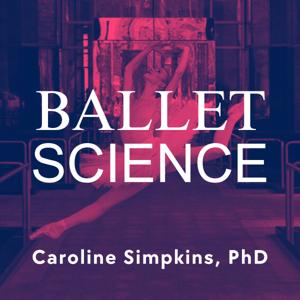


Ballet is physically demanding, but what about the mental side of dance? How can dancers manage performance anxiety, perfectionism, and the psychological challenges of injury and career transitions?
In this Ballet Science Encore, I'm revisiting my conversation with Lauren Ostrander McArdle, a former professional ballerina with a master's degree in sport and performance psychology and expertise in mental performance consulting.
Lauren shares how her experience as a professional dancer shaped her interest in performance psychology and explains practical strategies dancers can use to build confidence, develop resilience, and navigate the mental challenges of a ballet career.
Ballet Science Encore: Every so often, I revisit one of the most informative conversations from the Ballet Science archives. These Encore episodes feature timeless advice that remains just as relevant today, often in a shorter, curated highlights format.
Watch the full-length original interview with Lauren Ostrander McArdle here.
Go behind the scenes with Ballet Science Backstage! Join me on Patreon for ad-free access to Ballet Science podcast episodes, educational videos, workouts, stretching content, digital downloads, and more... all in one place. Join Now!
Want Ballet Science updates sent to your inbox? Join My E-mail List
Connect With Ballet Science:
Connect with Lauren Ostrander McArdle:
Hosted by Caroline Simpkins, Ph.D., the Ballet Science podcast brings science into the studio to help dancers of all ages and abilities give their best performances both onstage and off, and reveals how the science of ballet can benefit anyone who moves.
Filming Equipment Affiliate Links:
Logo photo: Richard Calmes
Please note that some links may be affiliate links, which means I may earn a small commission at no extra cost to you. All proceeds are reinvested back into Ballet Science.
What does it really take to build a successful career as a professional dancer? It's about more than technique, auditions, and getting hired.
In this episode, I'm joined by Caitlin Sloan, founder of The Brainy Ballerina, to discuss how aspiring professional dancers can navigate the transition from training to a sustainable dance career.
After nine years as a professional dancer, Caitlin now helps dancers develop the career-planning skills, mindset, and strategies they need to pursue professional opportunities with confidence.
Whether you're a pre-professional dancer preparing for auditions, a dance student planning your future, or a teacher helping students navigate their next steps, this conversation offers practical advice for approaching a dance career more intentionally.
Join Ballet Science Backstage on Patreon for ad-free access to podcast episodes, educational videos, workouts, stretching content, digital downloads, and more... all in one place. Join Now!
Want Ballet Science updates sent to your inbox? Join My E-mail List
Connect With Ballet Science:
Connect with Caitlin Sloan:
Hosted by Caroline Simpkins, Ph.D., the Ballet Science podcast brings science into the studio to help dancers of all ages and abilities give their best performances both onstage and off, and reveals how the science of ballet can benefit anyone who moves.
Each week, we explore the intersection of science and ballet... from injury prevention and biomechanics to nutrition, mindset, and everything in between. If you enjoyed this episode, please hit the subscribe button, leave a review, and share it with your friends and dance community. You can also follow Ballet Science on social media and visit our website for additional information.
Filming Equipment Affiliate Links:
Logo Photo: Richard Calmes
Additional Photos Provided By: Caitlin Sloan
Please note that some links may be affiliate links, which means I may earn a small commission at no extra cost to you. All proceeds are reinvested back into Ballet Science.
What happens when ballet becomes part of cancer recovery? In this episode of the Ballet Science Podcast, I’m joined by Anna Wassman-Cox, a former professional ballet dancer, two-time breast cancer survivor, and founder of Onco-Ballet.
Anna shares her deeply personal experience of returning to the ballet barre during cancer treatment... and how ballet gave her a space to step away from the uncertainty of cancer and simply be a dancer again.
Anna also shares the story of one Onco-Ballet participant who went from using a walker to performing an entire ballet piece.
Importantly, Anna discusses the distinction between the promising experiences participants are reporting and the need for more rigorous research to understand the effects of ballet and dance in cancer recovery.
Join Ballet Science Backstage on Patreon for ad-free access to podcast episodes, educational videos, workouts, stretching content, digital downloads, and more... all in one place. Join Now!
Want Ballet Science updates sent to your inbox? Join My E-mail List
Connect With Ballet Science:
Connect with Onco-Ballet:
Hosted by Caroline Simpkins, Ph.D., the Ballet Science podcast brings science into the studio to help dancers of all ages and abilities give their best performances both onstage and off, and reveals how the science of ballet can benefit anyone who moves.
Each week, we explore the intersection of science and ballet... from injury prevention and biomechanics to nutrition, mindset, and everything in between. If you enjoyed this episode, please hit the subscribe button, leave a review, and share it with your friends and dance community. You can also follow Ballet Science on social media and visit our website for additional information.
Filming Equipment Affiliate Links:
Logo Photo: Richard Calmes
Additional Photos Provided By: Anna Wassman-Cox
Please note that some links may be affiliate links, which means I may earn a small commission at no extra cost to you. All proceeds are reinvested back into Ballet Science.
What happens when a cancer diagnosis changes the body you've spent your entire life training?
In this episode, I sit down with former professional ballet dancer Abigail Simon to talk about her experience being diagnosed with breast cancer after a career that included American Ballet Theatre, Joffrey, and Broadway.
Abigail shares what it was like to go from preparing to return to dancing after having a baby to suddenly navigating a breast cancer diagnosis, surgery, chemotherapy, fertility preservation, chronic pain, and major changes to her body.
We also talk about something that is especially important for dancers: the need for medical care that considers not only survival, but quality of life and the physical demands of returning to dance. Abigail discusses her rehabilitation, body image, learning to move differently, and ultimately finding her way back to the stage... including performing again en pointe.
We also discuss the emotional aftermath of cancer, losing a sense of purpose, the importance of mental health support, and how dance and community helped Abigail rebuild her life.
Abigail is now continuing to dance, teach, coach, and work with Onco-Ballet, a community for people affected by cancer who want to dance.
Join Ballet Science Backstage on Patreon for ad-free access to podcast episodes, educational videos, workouts, stretching content, digital downloads, and more... all in one place. Join Now!
Want Ballet Science updates sent to your inbox? Join My E-mail List
Connect With Ballet Science:
Connect with Abigail Simon:
Hosted by Caroline Simpkins, Ph.D., the Ballet Science podcast brings science into the studio to help dancers of all ages and abilities give their best performances both onstage and off, and reveals how the science of ballet can benefit anyone who moves.
Each week, we explore the intersection of science and ballet... from injury prevention and biomechanics to nutrition, mindset, and everything in between. If you enjoyed this episode, please hit the subscribe button, leave a review, and share it with your friends and dance community. You can also follow Ballet Science on social media and visit our website for additional information.
Filming Equipment Affiliate Links:
Logo Photo: Richard Calmes
Additional Photos Provided By: Abigail Simon
Please note that some links may be affiliate links, which means I may earn a small commission at no extra cost to you. All proceeds are reinvested back into Ballet Science.
Pointe training is one of the most demanding aspects of ballet... but are we teaching it in the most effective way?
In this episode, I’m joined by Lynne Charles, former principal ballerina (Hamburg Ballet, Bejart Ballet Lausanne, Ballet National Roland Petit), teacher, ballet mistress, and the current Director of English National Ballet School. Lynne is also the founder and creator of 4Pointe, a somatic approach to pointe training that emphasizes foot articulation, strength, alignment, mobility, and mindful movement.
Lynne shares what inspired her to develop 4Pointe and why she believes pointe training needs to evolve alongside the changing demands placed on dancers today.
Lynne also explains why she believes dancers should spend more time developing the skills they need before going onto pointe... and why simply putting on pointe shoes and practicing variations isn't the same as properly training a dancer for a career on pointe.
Whether you're a dancer, teacher, parent, or simply interested in the science and mechanics of ballet, this conversation offers a fascinating look at how pointe training could evolve.
Join Ballet Science Backstage on Patreon for ad-free access to podcast episodes, educational videos, workouts, stretching content, digital downloads, and more... all in one place. Join Now!
Want Ballet Science updates sent to your inbox? Join My E-mail List
Connect With Ballet Science:
Connect with Lynne Charles and 4Pointe:
Hosted by Caroline Simpkins, Ph.D., the Ballet Science podcast brings science into the studio to help dancers of all ages and abilities give their best performances both onstage and off, and reveals how the science of ballet can benefit anyone who moves.
Each week, we explore the intersection of science and ballet... from injury prevention and biomechanics to nutrition, mindset, and everything in between. If you enjoyed this episode, please hit the subscribe button, leave a review, and share it with your friends and dance community. You can also follow Ballet Science on social media and visit our website for additional information.
Filming Equipment Affiliate Links:
Logo Photo: Richard Calmes
Additional Photos Provided By: Lynne Charles
Photos by: Amber Hunt
Please note that some links may be affiliate links, which means I may earn a small commission at no extra cost to you. All proceeds are reinvested back into Ballet Science.
What does it take to build a long, sustainable career in professional ballet... and what happens when that career comes to an end? In this episode, I’m joined by Megan Fairchild, former principal dancer with New York City Ballet. After an extraordinary career performing some of the most iconic works in the Balanchine and Robbins repertoire, Megan recently retired from NYCB and moved to France with her family.
We talk about ballet longevity, how her understanding of her body changed throughout her career, and what she learned from dealing with neck pain and adapting her strength and conditioning. Megan also shares her experience becoming a mother while continuing to dance at the highest level, returning to the stage after having children, and learning to balance motherhood and a demanding professional career.
We also talk about dancer identity after retirement, moving to France, pursuing education outside of ballet, and why Megan believes dancers need to stop comparing themselves to one another and focus on what makes them exceptional.
Megan offers an incredibly honest perspective on what it means to be a professional ballet dancer, and what it means to become a whole person beyond the studio.
Join Ballet Science Backstage on Patreon for ad-free access to podcast episodes, educational videos, workouts, stretching content, digital downloads, and more... all in one place. Join Now!
Want Ballet Science updates sent to your inbox? Join My E-mail List
Connect With Ballet Science:
Connect with Megan Fairchild:
Hosted by Caroline Simpkins, Ph.D., the Ballet Science podcast brings science into the studio to help dancers of all ages and abilities give their best performances both onstage and off, and reveals how the science of ballet can benefit anyone who moves.
Each week, we explore the intersection of science and ballet... from injury prevention and biomechanics to nutrition, mindset, and everything in between. If you enjoyed this episode, please hit the subscribe button, leave a review, and share it with your friends and dance community. You can also follow Ballet Science on social media and visit our website for additional information.
Filming Equipment Affiliate Links:
Logo Photo: Richard Calmes
Additional Photos Provided By: Megan Fairchild
Photos by: Erin Baiano
Please note that some links may be affiliate links, which means I may earn a small commission at no extra cost to you. All proceeds are reinvested back into Ballet Science.
What happens when an accomplished ballet dancer decides to leave the stage... and pursue medicine instead?
In this Ballet Science Encore episode, I'm revisiting one of the most valuable conversations from the Ballet Science archives with Dr. Miko Fogarty, former professional ballet dancer and international competition winner who made an extraordinary transition from the stage to podiatric medicine.
Now a foot and ankle surgery resident, Miko offers a unique perspective on dancers' feet, pointe work, injury prevention, and the connection between dance and medicine.
Ballet Science Encore: Every so often, I revisit one of the most informative conversations from the Ballet Science archives. These Encore episodes feature timeless advice that remains just as relevant today, often in a shorter, curated highlights format.
Listen to my original full-length interview with Miko Fogarty here.
Go behind the scenes with Ballet Science Backstage! Join me on Patreon for ad-free access to Ballet Science podcast episodes, educational videos, workouts, stretching content, digital downloads, and more... all in one place. Join Now!
Want Ballet Science updates sent to your inbox? Join My E-mail List
Connect With Ballet Science:
Hosted by Caroline Simpkins, Ph.D., the Ballet Science podcast brings science into the studio to help dancers of all ages and abilities give their best performances both onstage and off, and reveals how the science of ballet can benefit anyone who moves.
Filming Equipment Affiliate Links:
Logo photo: Richard Calmes
Please note that some links may be affiliate links, which means I may earn a small commission at no extra cost to you. All proceeds are reinvested back into Ballet Science.
Ballet training can be an exciting (but often complicated) journey for dancers and their families. In this episode, I’m joined by Brett and Jenny from Ballet Help Desk, who share insights from their experiences as ballet parents and from hearing directly from families navigating the dance world.
We discuss the ballet training “arms race,” injury and recovery, pointe readiness, body image and nutrition, teacher red flags, school culture, transparency, choosing the right ballet school, post-graduate programs, and how parents can better support their dancers.
We also talk about finding a healthy balance between supporting a dancer’s dreams and taking a realistic, long-term view of their career.
If you’re a ballet parent, dancer, teacher, or simply interested in the world of ballet training, this conversation is for you.
Join Ballet Science Backstage on Patreon for ad-free access to podcast episodes, educational videos, workouts, stretching content, digital downloads, and more... all in one place. Join Now!
Want Ballet Science updates sent to your inbox? Join My E-mail List
Connect With Ballet Science:
Connect with Ballet Help Desk:
Hosted by Caroline Simpkins, Ph.D., the Ballet Science podcast brings science into the studio to help dancers of all ages and abilities give their best performances both onstage and off, and reveals how the science of ballet can benefit anyone who moves.
Each week, we explore the intersection of science and ballet... from injury prevention and biomechanics to nutrition, mindset, and everything in between. If you enjoyed this episode, please hit the subscribe button, leave a review, and share it with your friends and dance community. You can also follow Ballet Science on social media and visit our website for additional information.
Filming Equipment Affiliate Links:
Logo Photo: Richard Calmes
Additional Photos Provided By: Ballet Help Desk
Please note that some links may be affiliate links, which means I may earn a small commission at no extra cost to you. All proceeds are reinvested back into Ballet Science.
What does great ballet training look like... and how should dancers develop from their earliest classes through pre-professional training?
In this episode, I’m joined by legendary ballet educator Darla Hoover (Central Pennsylvania Youth Ballet, School of American Ballet, New York City Ballet, Ballet Academy East) for a fascinating conversation about teaching ballet at every stage of a dancer’s development.
Darla shares her decades of experience teaching everyone from young beginners to professional dancers, including her own training with the School of American Ballet and her years as a professional dancer and educator.
Darla’s philosophy is ultimately about much more than producing professional dancers. She believes ballet can teach discipline, dedication, focus, passion, and lifelong lessons that dancers carry with them wherever life takes them.
Whether you’re a ballet teacher, parent, student, aspiring professional, or simply interested in how great dancers are developed, there is so much wisdom in this conversation.
Join Ballet Science Backstage on Patreon for ad-free access to podcast episodes, educational videos, workouts, stretching content, digital downloads, and more... all in one place. Join Now!
Want Ballet Science updates sent to your inbox? Join My E-mail List
Connect With Ballet Science:
Hosted by Caroline Simpkins, Ph.D., the Ballet Science podcast brings science into the studio to help dancers of all ages and abilities give their best performances both onstage and off, and reveals how the science of ballet can benefit anyone who moves.
Each week, we explore the intersection of science and ballet... from injury prevention and biomechanics to nutrition, mindset, and everything in between. If you enjoyed this episode, please hit the subscribe button, leave a review, and share it with your friends and dance community. You can also follow Ballet Science on social media and visit our website for additional information.
Filming Equipment Affiliate Links:
Logo Photo: Richard Calmes
Additional Photos Provided By: Darla Hoover
Headshot by: Kyle Froman
Please note that some links may be affiliate links, which means I may earn a small commission at no extra cost to you. All proceeds are reinvested back into Ballet Science.
What should dancers eat before ballet class? How much should they be eating? What about carbohydrates, hydration, recovery, and snacks during long rehearsals?
In this episode, I’m joined by Rachel Fine, RDN, a registered dietitian nutritionist, former professional dancer, and founder of The Healthy Dancer®. Rachel shares practical, evidence-based advice to help dancers properly fuel their training while avoiding restrictive food rules and nutrition misinformation.
Whether you are a young dancer, parent, teacher, professional, or adult recreational dancer, this episode is packed with practical strategies you can put into action.
Join Ballet Science Backstage on Patreon for ad-free access to podcast episodes, educational videos, workouts, stretching content, digital downloads, and more... all in one place. Join Now!
Want Ballet Science updates sent to your inbox? Join My E-mail List
Connect With Ballet Science:
Connect with Rachel Fine:
Hosted by Caroline Simpkins, Ph.D., the Ballet Science podcast brings science into the studio to help dancers of all ages and abilities give their best performances both onstage and off, and reveals how the science of ballet can benefit anyone who moves.
Each week, we explore the intersection of science and ballet... from injury prevention and biomechanics to nutrition, mindset, and everything in between. If you enjoyed this episode, please hit the subscribe button, leave a review, and share it with your friends and dance community. You can also follow Ballet Science on social media and visit our website for additional information.
Filming Equipment Affiliate Links:
Logo Photo: Richard Calmes
Additional Photos Provided By: Rachel Fine
Please note that some links may be affiliate links, which means I may earn a small commission at no extra cost to you. All proceeds are reinvested back into Ballet Science.
From the publisher's feed

90,778 Listeners
265 Listeners

111,831 Listeners
19 Listeners
153 Listeners

85,577 Listeners
19 Listeners
2,035 Listeners
149 Listeners

7,343 Listeners

10,652 Listeners
94 Listeners
24 Listeners
12 Listeners

12,418 Listeners