
Sign up to save your podcasts
Or

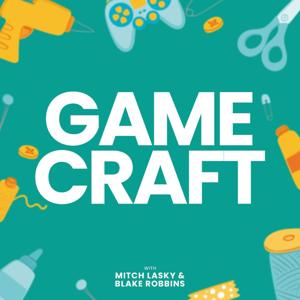

Mitch and Blake discuss the nuances of game financing. They begin by explaining how the publishing model of advances against royalties functions, and what the expected costs and benefits are for both the developer and publisher.
After a brief discussion of bootstrapping, they do a deep dive on venture capital financing for games. They reveal how venture capital firms make money, drawing a sharp contrast with how traditional game publishers make money. This leads to a conversation about the implied promises that game studios make when they take venture capital. Mitch talks about how ill-prepared he thinks most game companies are to deliver on those promises, and how willing some venture investors have been to fund studios with no obvious competitive business advantages other than their ability to make cool games.
The hosts conclude with a discussion about liquidity. Mitch and Blake provide an overview of the initial public offering market for game companies over the last 20 years, and Mitch shares his experience taking a game company public. Mitch worries that most of the high-profile founders of new game studios are not prepared to be public company CEOs, and how that will affect the venture capital environment for game companies in the future.
 View all episodes
 By Mitch Lasky / Blake Robbins

4.8
132132 ratings
Mitch and Blake discuss the nuances of game financing. They begin by explaining how the publishing model of advances against royalties functions, and what the expected costs and benefits are for both the developer and publisher.
After a brief discussion of bootstrapping, they do a deep dive on venture capital financing for games. They reveal how venture capital firms make money, drawing a sharp contrast with how traditional game publishers make money. This leads to a conversation about the implied promises that game studios make when they take venture capital. Mitch talks about how ill-prepared he thinks most game companies are to deliver on those promises, and how willing some venture investors have been to fund studios with no obvious competitive business advantages other than their ability to make cool games.
The hosts conclude with a discussion about liquidity. Mitch and Blake provide an overview of the initial public offering market for game companies over the last 20 years, and Mitch shares his experience taking a game company public. Mitch worries that most of the high-profile founders of new game studios are not prepared to be public company CEOs, and how that will affect the venture capital environment for game companies in the future.

30,666 Listeners

16,051 Listeners
30,300 Listeners

1,967 Listeners

2,447 Listeners

2,354 Listeners

2,171 Listeners
797 Listeners

100 Listeners
549 Listeners

6,089 Listeners

10,182 Listeners

508 Listeners

292 Listeners

241 Listeners