
Sign up to save your podcasts
Or

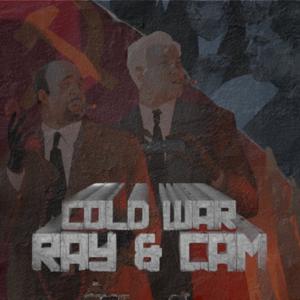

In this episode of Cold War, Cameron and Ray dig into the aftermath of Batista’s March 1952 coup in Cuba and how it shaped Fidel Castro’s early strategies. The conversation explores Castro’s proclamation denouncing the coup, his first failed attempts to rally the public, and why the Cuban people weren’t yet ready for revolution. We see how Castro pivoted from politics to pamphlets, protests, lawsuits, and eventually the realization that only a professional revolutionary force could succeed. Along the way, the hosts connect Batista’s propaganda playbook with U.S. media bias, draw parallels to Iran’s 1953 coup, and reflect on the timeless tactics of seizing power. They also detour into the Mob’s growing influence in Havana and the darker history of honeypot operations linking Epstein, Maxwell, and intelligence agencies.
 View all episodes
 By Cameron Reilly & Ray Harris

4
141141 ratings
In this episode of Cold War, Cameron and Ray dig into the aftermath of Batista’s March 1952 coup in Cuba and how it shaped Fidel Castro’s early strategies. The conversation explores Castro’s proclamation denouncing the coup, his first failed attempts to rally the public, and why the Cuban people weren’t yet ready for revolution. We see how Castro pivoted from politics to pamphlets, protests, lawsuits, and eventually the realization that only a professional revolutionary force could succeed. Along the way, the hosts connect Batista’s propaganda playbook with U.S. media bias, draw parallels to Iran’s 1953 coup, and reflect on the timeless tactics of seizing power. They also detour into the Mob’s growing influence in Havana and the darker history of honeypot operations linking Epstein, Maxwell, and intelligence agencies.
2,157 Listeners
3,233 Listeners
584 Listeners

1,921 Listeners
4,790 Listeners
6,232 Listeners
468 Listeners
15,652 Listeners
1,421 Listeners
4,211 Listeners
3,378 Listeners
15,579 Listeners
2,863 Listeners

1,592 Listeners

1,092 Listeners