
Sign up to save your podcasts
Or

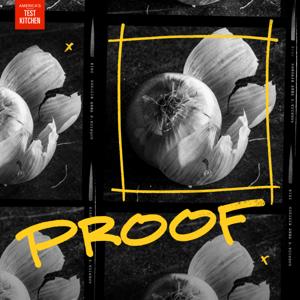

The color blue doesn’t really occur naturally in food. Think about it: when was the last time you ate something blue? Maybe a piece of candy or an ice pop that was “blue raspberry” flavored. Food marketing teams have steered their companies away from blue labels and blue colored foods (except in a few cases), often citing studies on the psychology of color and perception of taste. But one popular study might not be all it’s cracked up to be. This week we teamed up with Slate’s Decoder Ring podcast to dig deeper and find out why blue isn’t a common color on our plates.
See Privacy Policy at https://art19.com/privacy and California Privacy Notice at https://art19.com/privacy#do-not-sell-my-info.
Learn more about your ad choices. Visit megaphone.fm/adchoices
 View all episodes
 By America's Test Kitchen

4.3
18731,873 ratings
The color blue doesn’t really occur naturally in food. Think about it: when was the last time you ate something blue? Maybe a piece of candy or an ice pop that was “blue raspberry” flavored. Food marketing teams have steered their companies away from blue labels and blue colored foods (except in a few cases), often citing studies on the psychology of color and perception of taste. But one popular study might not be all it’s cracked up to be. This week we teamed up with Slate’s Decoder Ring podcast to dig deeper and find out why blue isn’t a common color on our plates.
See Privacy Policy at https://art19.com/privacy and California Privacy Notice at https://art19.com/privacy#do-not-sell-my-info.
Learn more about your ad choices. Visit megaphone.fm/adchoices

2,537 Listeners

3,082 Listeners

3,943 Listeners
1,111 Listeners

3,654 Listeners

1,449 Listeners

373 Listeners

577 Listeners

3,022 Listeners

2,231 Listeners

2,130 Listeners

305 Listeners
1,240 Listeners
4,838 Listeners

262 Listeners

223 Listeners

642 Listeners