
Sign up to save your podcasts
Or

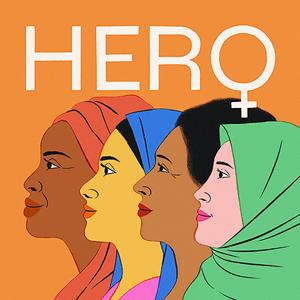

The United States has long been the largest aid donor in the world, accounting for about 40 percent of humanitarian assistance globally last year, according to the United Nations. But that is quickly changing.
Most U.S. foreign aid is currently on hold. Thousands of projects are at risk of elimination. And nearly all staff from the U.S. Agency for International Development are on administrative leave.
How did we get to this moment? And what has been the impact of the foreign aid freeze so far, including on women and girls?
In the newest season of the Hidden Economics of Remarkable Women, we are following the U.S. foreign aid news. In this first episode, you will hear a conversation we taped at Foreign Policy’s Emerging Threats Forum, an official side event of the Munich Security Conference, about the economic and security implications of halting overseas development assistance.
Foreign Policy editor in chief Ravi Agrawal spoke with Ndidi Okonkwo Nwuneli, the president and CEO of the One Campaign, and Umulkher (Umi) Harun Mohamed, a member of Kenya’s National Assembly. Their conversation focuses on Africa, which gets about 30 percent of U.S. foreign aid annually.
If you want to share how this disruption of aid is impacting your life, please be in touch. It can be anonymous, if you prefer. You can reach us at [email protected].
The Hidden Economics of Remarkable Women is a podcast from Foreign Policy, supported in part by the Gates Foundation and Northwestern University’s Roberta Buffett Institute for Global Affairs.
Learn more about your ad choices. Visit megaphone.fm/adchoices
 View all episodes
 By Foreign Policy magazine


3.4
204204 ratings
The United States has long been the largest aid donor in the world, accounting for about 40 percent of humanitarian assistance globally last year, according to the United Nations. But that is quickly changing.
Most U.S. foreign aid is currently on hold. Thousands of projects are at risk of elimination. And nearly all staff from the U.S. Agency for International Development are on administrative leave.
How did we get to this moment? And what has been the impact of the foreign aid freeze so far, including on women and girls?
In the newest season of the Hidden Economics of Remarkable Women, we are following the U.S. foreign aid news. In this first episode, you will hear a conversation we taped at Foreign Policy’s Emerging Threats Forum, an official side event of the Munich Security Conference, about the economic and security implications of halting overseas development assistance.
Foreign Policy editor in chief Ravi Agrawal spoke with Ndidi Okonkwo Nwuneli, the president and CEO of the One Campaign, and Umulkher (Umi) Harun Mohamed, a member of Kenya’s National Assembly. Their conversation focuses on Africa, which gets about 30 percent of U.S. foreign aid annually.
If you want to share how this disruption of aid is impacting your life, please be in touch. It can be anonymous, if you prefer. You can reach us at [email protected].
The Hidden Economics of Remarkable Women is a podcast from Foreign Policy, supported in part by the Gates Foundation and Northwestern University’s Roberta Buffett Institute for Global Affairs.
Learn more about your ad choices. Visit megaphone.fm/adchoices

90,795 Listeners
21,968 Listeners

38,509 Listeners

43,647 Listeners

27,173 Listeners

603 Listeners
10,143 Listeners
14,626 Listeners
245 Listeners

14,894 Listeners

31,767 Listeners
1,341 Listeners

2,717 Listeners

27 Listeners
38 Listeners

352 Listeners

93 Listeners
1,568 Listeners

75 Listeners

11,482 Listeners

4,265 Listeners
11 Listeners

0 Listeners
13 Listeners
8 Listeners
3 Listeners
0 Listeners
0 Listeners
0 Listeners