
Sign up to save your podcasts
Or

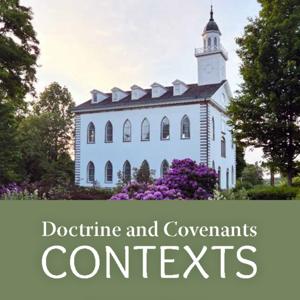


This section recounts the events before the Church’s second conference in September 1830, focusing on Hiram Page, one of the eight witnesses of the Book of Mormon plates. Hiram began receiving revelations through a seer stone that contradicted established Church teachings, leading some members, including Oliver Cowdery and the Whitmer family, astray. The issue was not the use of the seer stone itself, but that Hiram’s revelations were unauthorized. Joseph Smith sought divine guidance and received Section 28, which clarified that only those appointed and sustained by the Church could receive revelations for the entire congregation. The revelation specifically addressed Oliver Cowdery, reinforcing the established order of revelation and teaching within the Church.
Initially, Joseph sought wine for a sacrament meeting, but an angel instructed him that the substance used for the sacrament was less important than the intent behind it. The revelation emphasized that the Saints should partake with a sincere heart, remembering Christ’s sacrifice. It also introduced the idea of making their own sacramental wine to ensure its purity. Additionally, the section highlights the transmission of priesthood keys to Joseph by biblical prophets and underscores the importance of spiritual preparedness, identifying the archangel Michael as Adam and linking him to the “Ancient of days” in the Book of Daniel.
In the summer of 1830, Joseph Smith and the Saints in southern New York faced intense persecution, causing anxiety among the Knight family in Colesville. During this time, Joseph received several revelations in Harmony, Pennsylvania, including section 26, which instructed him, Oliver Cowdery, and John Whitmer to focus on scripture study, preaching, confirming the Saints, and farming until a conference in September. A key aspect of this revelation was the principle of “common consent,” emphasizing that Church decisions should be made collectively through prayer and faith. This principle was first mentioned in the Doctrine and Covenants and highlighted the importance of obtaining the members’ approval for leadership roles, ensuring that both consent and dissent were respected.
In the summer of 1830, Emma Hale Smith faced significant challenges, including her baptism being disrupted by hostile neighbors and her husband, Joseph Smith, being arrested for preaching the Book of Mormon. This period was marked by emotional distress and concerns about her financial future. Despite these hardships, a revelation in section 24 promised a modest living if supported by the Saints, and in section 25, the Lord addressed Emma personally, calling her an “Elect Lady” and assuring her of His support if she remained faithful and virtuous. This passage underscores the vital role of women in the early Church and the personal revelations they received.
Key points from this section:
• Support for Joseph Smith: Section 24 provides encouragement and support to Joseph Smith during a time of persecution and difficulty, reaffirming his role as a prophet and leader of the Church.
• Divine Protection: It assures Joseph Smith and Oliver Cowdery of divine protection and guidance as they continue their work, despite the challenges they face.
• Instructions for Ministry: The section includes specific instructions for Joseph and Oliver on how to conduct their ministry, emphasizing the importance of faith and perseverance.
Read this chapter for free at https://byustudies.byu.edu/online-book/doctrine-and-covenants-contexts/section-24.
Key points from this section:
• Personal Revelations: Section 23 contains personal revelations given to five individuals: Oliver Cowdery, Hyrum Smith, Samuel H. Smith, Joseph Smith Sr., and Joseph Knight Sr., providing them with specific counsel and encouragement.
• Call to Strengthen the Church: Each revelation emphasizes the importance of strengthening the Church and supporting its growth through faithfulness and diligence.
• Warnings and Promises: The section includes both warnings about potential pitfalls and promises of blessings for obedience and dedication to the Lord’s work.
Read this chapter for free at https://byustudies.byu.edu/online-book/doctrine-and-covenants-contexts/section-23.
Key points from this section:
• New and Everlasting Covenant: Section 22 emphasizes that baptism is a new and everlasting covenant, essential for entering the kingdom of God.
• Authority of Baptism: It underscores the necessity of being baptized by someone with the proper authority, dismissing previous baptisms performed without this authority.
• Rebaptism Requirement: The section clarifies that those who were baptized in other faiths must be rebaptized to join the Church of Jesus Christ of Latter-day Saints.
Read this chapter for free at https://byustudies.byu.edu/online-book/doctrine-and-covenants-contexts/section-22.
Key points from this section:
• Joseph Smith’s Role: Section 21 emphasizes the importance of Joseph Smith’s role as a prophet, seer, and revelator, and the need for the members of the Church to heed his words.
• Establishment of the Church: It marks the official establishment of the Church of Jesus Christ of Latter-day Saints on April 6, 1830, and outlines the significance of this event.
• Record Keeping: The section instructs the Church to keep a record of its proceedings, highlighting the importance of documentation and transparency in the Church’s operations.
Read this chapter for free at https://byustudies.byu.edu/online-book/doctrine-and-covenants-contexts/section-21.
Key points from this section:
• Organization of the Church: Section 20 is often referred to as the “Articles and Covenants” of the Church, providing foundational guidelines for the organization and governance of the Church of Jesus Christ of Latter-day Saints.
• Priesthood Offices and Duties: It outlines the various offices within the priesthood, such as elders, priests, teachers, and deacons, and describes their respective duties and responsibilities.
• Ordinances and Practices: The section details essential ordinances and practices, including baptism, the sacrament, and the process for admitting new members into the Church.
Read this chapter for free at https://byustudies.byu.edu/online-book/doctrine-and-covenants-contexts/section-20.
Key points from this section:
• Revelation on Repentance: Section 19 emphasizes the importance of repentance and the need for individuals to turn to God and seek forgiveness for their sins.
• Atonement of Jesus Christ: It highlights the suffering and atonement of Jesus Christ, underscoring the significance of His sacrifice for the salvation of humanity.
• Command to Preach: The section includes a command to preach the gospel and share the message of repentance and redemption with others.
Read this chapter for free at https://byustudies.byu.edu/online-book/doctrine-and-covenants-contexts/section-19.
From the publisher's feed

1,479 Listeners

663 Listeners
1,009 Listeners

1,711 Listeners

2,512 Listeners
1,794 Listeners

1,792 Listeners
279 Listeners

909 Listeners

2,571 Listeners

10,667 Listeners
992 Listeners
540 Listeners
2,014 Listeners
315 Listeners