- Chasing An ED Patient Down A NYC Highway
- What 42-Hour Shifts in Residency Really Look Like
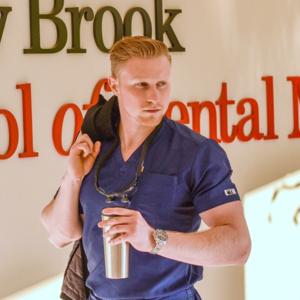
- College Tennis Athlete & Fraternity Member to Oral Surgeon, Sommelier, and Innovator
Questions:
(00:05) Dr. Kojanis, what's going on? Finally get you on here?
(00:25) Is it a lecture? You guys had a lecture today?
(01:29) What other days are busy like that? Hectic?
(02:19) You did college athletics, right? So where you went to college, let's start there.
(02:32) Were you pre-dental at the time or was it pre-med? Was it just pre-health in general?
(07:02) How was your experience there (NYU Dental)?
(08:48) Do you think NYU OMFS prepared you adequately enough to hit the ground running?
(15:52) Would you say ED was your hardest rotation? What about hand plastics, trauma?
(19:36) During residency, were you able to keep up with tennis at all?
(24:45) What would you say is your favorite procedure?
(41:01) Affordable wines under $25 and splurge wines under $100 recommendations?
(47:15) Did he (NFT creator) influence your interest in NFTs, or did you kind of take your own route?
(50:37) Are you considering getting mitts into TikTok Shop or Whatnot for e-commerce?
Quotes & Wisdom:
"You just chip away, day by day, no matter what the goal is. If you think about the entirety of the journey at once, it feels insurmountable. But one day at a time, it becomes achievable."
"Residency teaches you how to manage chaos. That ability to multitask and take challenges head-on is what opens doors to unexpected opportunities."
"Flexibility is key and listening to your body is crucial as you age. The body starts chirping, and you have to pay attention to avoid burnout or injury."
"In surgery, we solve problems quickly—remove the tumor, fix the fracture. It’s immediate and gratifying. That’s why I love surgery."
"Not every patient can be saved with a magic bullet. Some need months or years of care, and that reinforced my love for surgical solutions."
"Innovation doesn’t require expertise from day one—it requires persistence. One step at a time, you figure it out as you go."
"A product like this sponge wasn’t just about cleaning—it was about improving the process and creating joy in the small, everyday moments."
Now available on:
- Dr. Gallagher’s Podcast & YouTube Channel
- Dose of Dental Podcast #121
Watch in this episode = Citizen Cal 2100 Chrono Panda
Dr. Kojanis’ Watch = Omega Speedmaster Chronoscope Paris
- 2025
#podcast #dentalpodcast #doctorgallagherpodcast #doctorgallagherspodcast #doctor #dentist #dentistry #oralsurgery #dental #dentalschool #dentalstudent #doctorlife #dentistlife #oralsurgeon #doctorgallagher