
Sign up to save your podcasts
Or


Rising oil prices triggered by war have renewed fears of an economic shock. Governments are already under pressure to step in: to cap prices, cushion bills and shield households from the consequences. Yet crises were once understood differently. During earlier shocks, citizens were often told to tighten their belts, to accept rationing, higher prices and shared sacrifice. But memories of past hardship can also be misleading. There is sometimes a tendency to romanticise earlier generations’ stoicism. Today the assumption seems different: if living standards fall, the government must intervene.
The idea of sacrifice raises difficult questions. Who exactly is the “we” being asked to shoulder the burden? A rise in energy costs may be uncomfortable for some but devastating for those already living precariously. Hardship is rarely shared equally. If sacrifice is demanded, how should it be distributed? There is also a deeper question about what we mean by sacrifice at all. The word is often used simply to mean going without. Yet traditionally it carried a stronger philosophical meaning: the willingness to give something up for a higher purpose or the common good. Some argue that modern democracies have become reluctant to ask citizens for such things, fearing the political cost. Governments promise protection instead, even when the resources to deliver it are limited.
And yet the challenges ahead may demand difficult choices. From energy shocks to climate change, societies may have to decide whether they are prepared to accept lower living standards in pursuit of wider goals. So in a democracy, should citizens expect protection from every crisis? Does the government have a duty to be open and honest with us about the hard choices we face? Or do we have a duty to accept sacrifice when circumstances demand it?
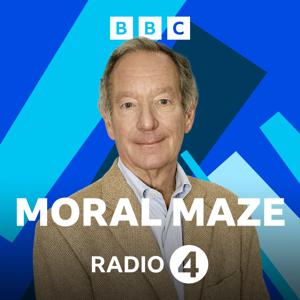
Chair: Michael Buerk
 View all episodes
 By BBC Radio 4

4.6
5151 ratings
Rising oil prices triggered by war have renewed fears of an economic shock. Governments are already under pressure to step in: to cap prices, cushion bills and shield households from the consequences. Yet crises were once understood differently. During earlier shocks, citizens were often told to tighten their belts, to accept rationing, higher prices and shared sacrifice. But memories of past hardship can also be misleading. There is sometimes a tendency to romanticise earlier generations’ stoicism. Today the assumption seems different: if living standards fall, the government must intervene.
The idea of sacrifice raises difficult questions. Who exactly is the “we” being asked to shoulder the burden? A rise in energy costs may be uncomfortable for some but devastating for those already living precariously. Hardship is rarely shared equally. If sacrifice is demanded, how should it be distributed? There is also a deeper question about what we mean by sacrifice at all. The word is often used simply to mean going without. Yet traditionally it carried a stronger philosophical meaning: the willingness to give something up for a higher purpose or the common good. Some argue that modern democracies have become reluctant to ask citizens for such things, fearing the political cost. Governments promise protection instead, even when the resources to deliver it are limited.
And yet the challenges ahead may demand difficult choices. From energy shocks to climate change, societies may have to decide whether they are prepared to accept lower living standards in pursuit of wider goals. So in a democracy, should citizens expect protection from every crisis? Does the government have a duty to be open and honest with us about the hard choices we face? Or do we have a duty to accept sacrifice when circumstances demand it?
Chair: Michael Buerk

7,639 Listeners
876 Listeners

1,046 Listeners

156 Listeners

5,520 Listeners

1,799 Listeners

1,763 Listeners

1,049 Listeners

2,110 Listeners

1,920 Listeners
30 Listeners
43 Listeners

393 Listeners
164 Listeners
43 Listeners
58 Listeners
114 Listeners
684 Listeners

3,177 Listeners

720 Listeners
1,002 Listeners

3,336 Listeners

1,183 Listeners
797 Listeners
45 Listeners